/

/

Search
Category
Hot Products
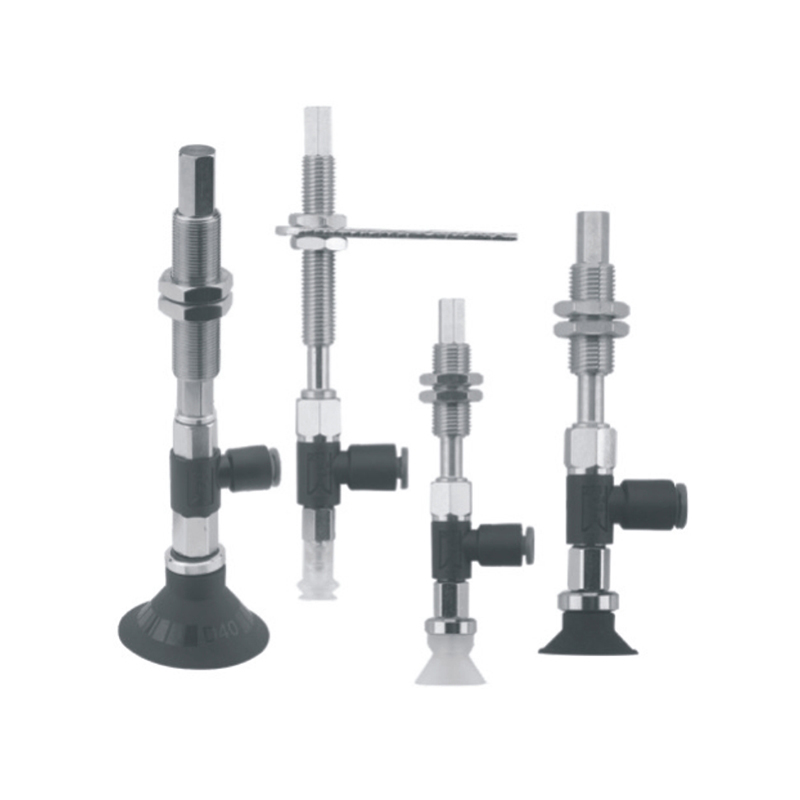
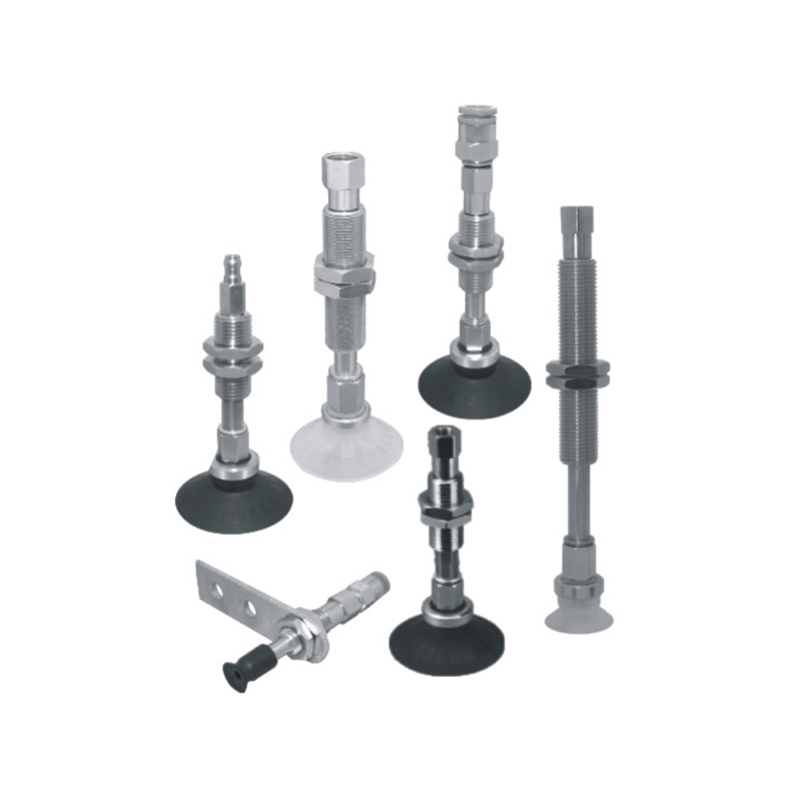
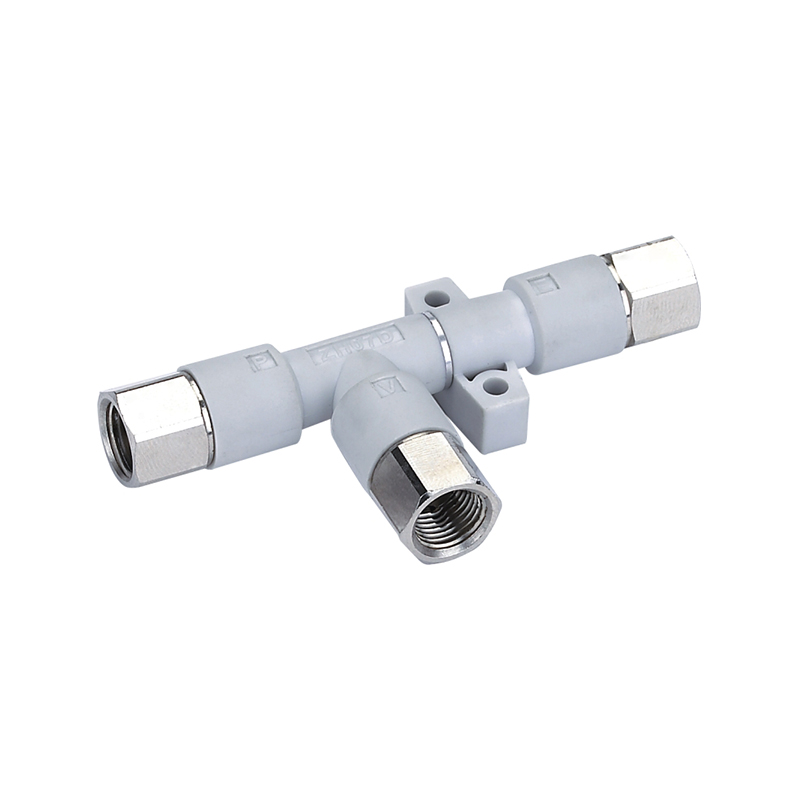
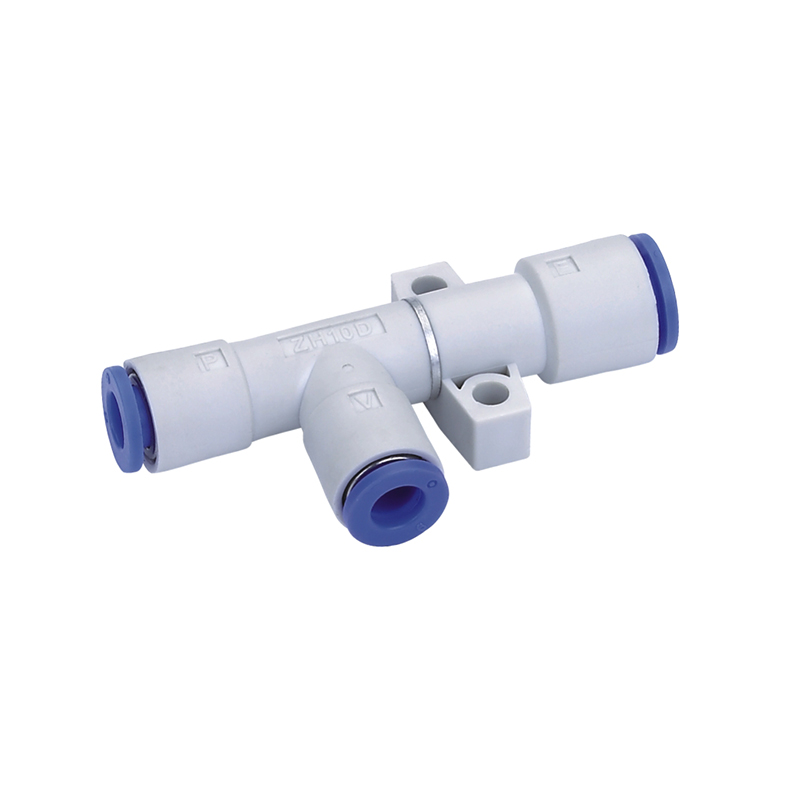
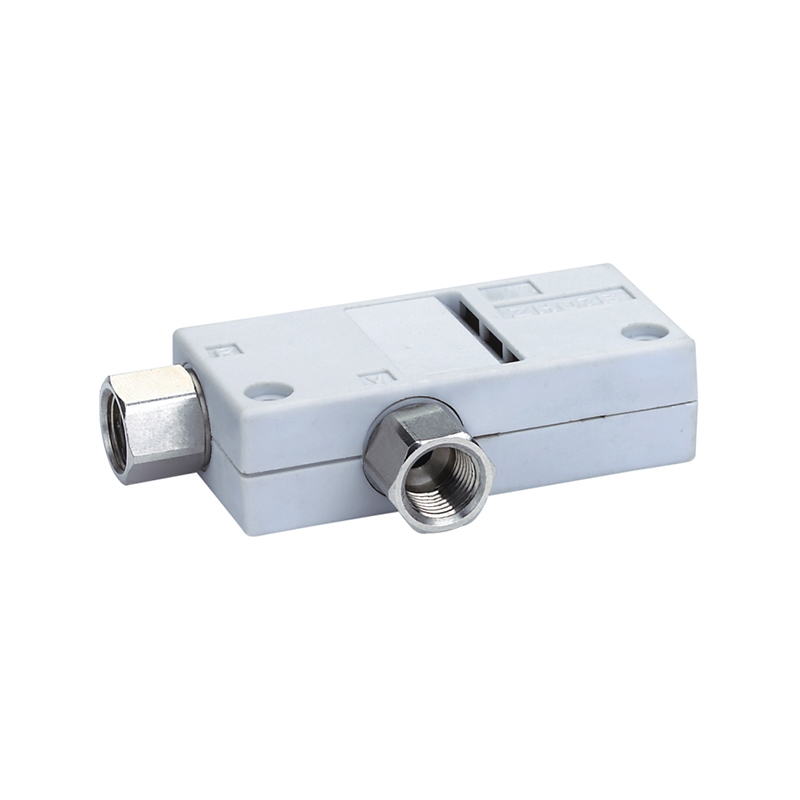
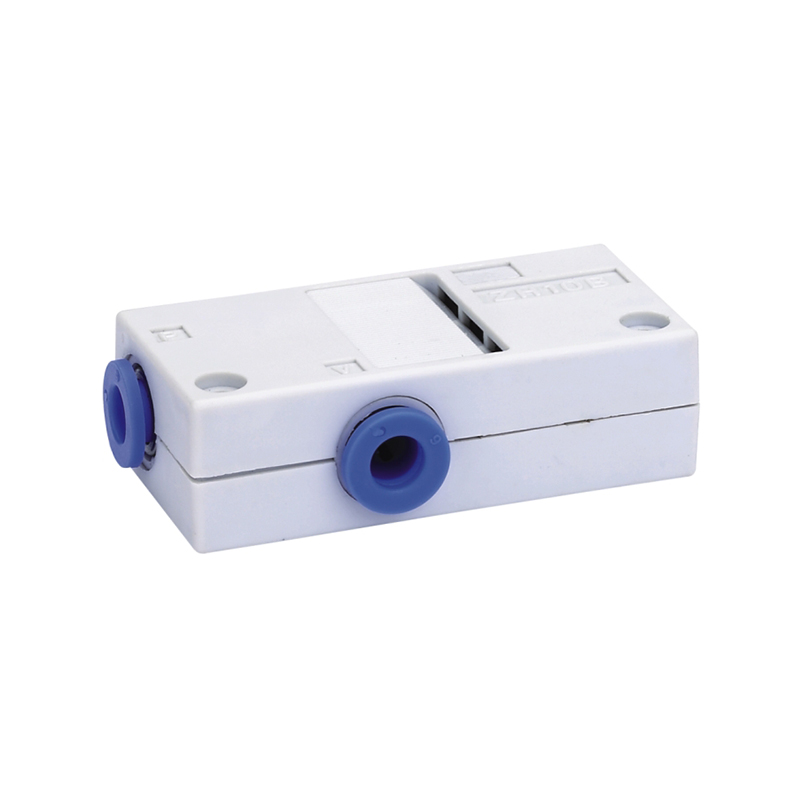
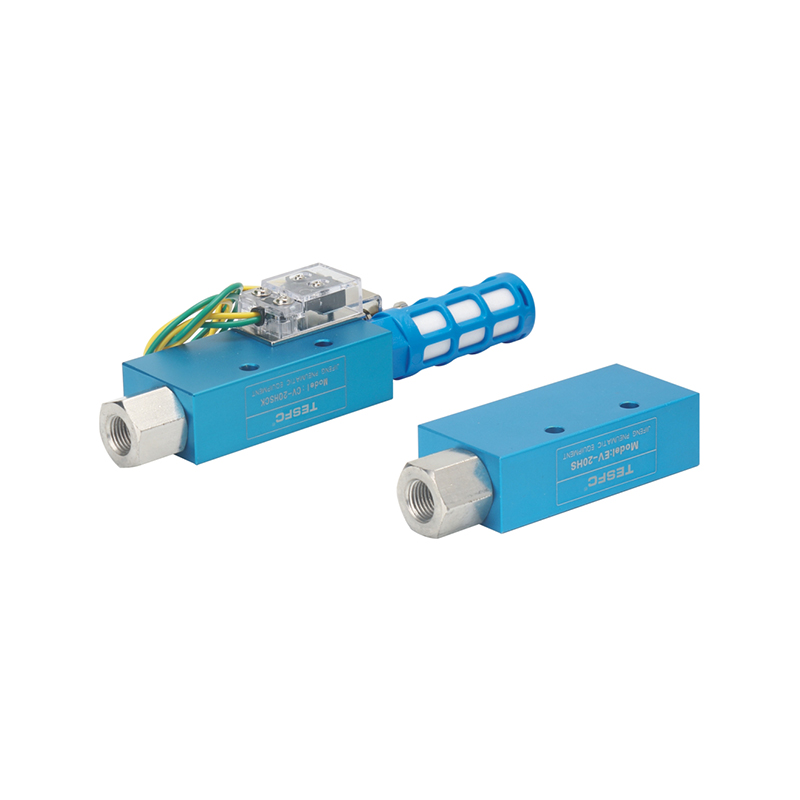
Vacuum generators pull off something genuinely clever — they take compressed air and convert it into suction by leaning on the Venturi principle, no moving parts involved, just physics doing the work. That capability puts them at the heart of pick-and-place equipment, robotic tooling, packaging machinery, electronics manufacturing, material transfer systems, and automated assembly lines everywhere. Feishengya's vacuum generators are built around compact installation, fast vacuum response, and stable suction output, all while integrating smoothly with pneumatic solenoid valves, suction cups, tubing, and air preparation units. Depending on what the job calls for, different structures come into play — some suited for simple handling, others built for higher-flow applications, vacuum monitoring, or quick release functions. When it's time to actually pick one, engineers need to weigh vacuum level, suction flow, compressed air pressure, workpiece surface, tubing length, and control requirements together, since getting any of those wrong tends to show up as unreliable handling down the line. Drawing on genuine pneumatic component manufacturing experience and practical application support, Feishengya puts together vacuum generator solutions built for dependable handling and efficient compressed air-based automation across the board.
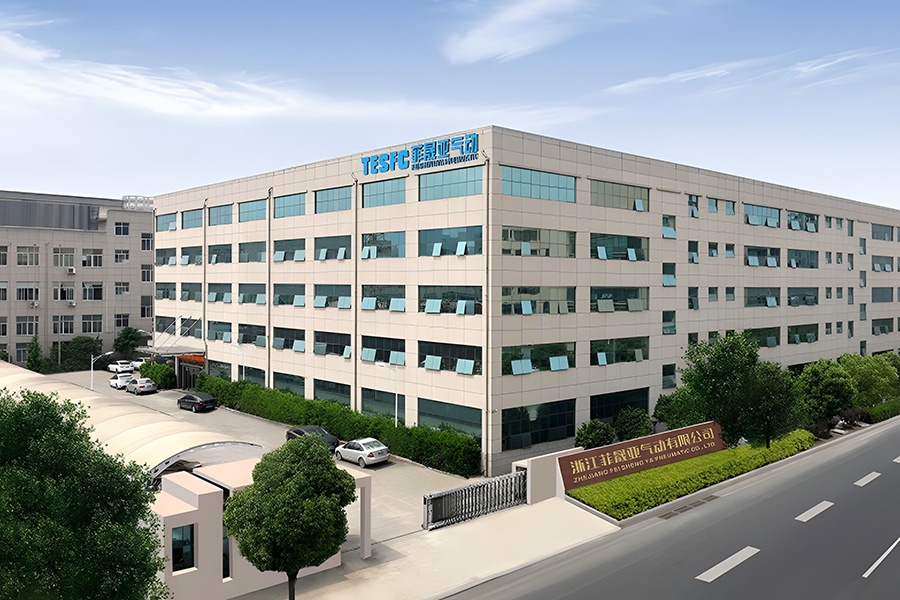
Zhejiang Feishengya Pneumatic Components Co., Ltd.
Zhejiang Feishengya Pneumatic Components Co., Ltd. is a pneumatic component enterprise that integrates scientific R&D, production and processing, operation and sales, technical services, import and export trade, and personnel training. It specializes in the production, processing, and sales of pneumatic components such as cylinders, solenoid valves, and Vacuum Suction Generator.
The company has always adhered to serving society with practical quality, high-quality service, comprehensive technology, and reasonable prices, and is committed to striving to create a "Chinese famous brand".
Our company has nearly a hundred advanced processing pieces of equipment. There are currently 120 employees, including over 20 professional and technical personnel, with an annual production capacity of 500,000 pieces (sets) of various components. We have advanced production processes, complete testing methods and equipment, and a high-quality workforce. We organize production and sales with a practical and innovative concept, and have passed ISO9001 international quality management system certification. We use CAD, SOLIDWORKS, and ERP for engineering design and enterprise management. Continuously increasing product development efforts and investment, continuously upgrading and improving equipment and products to meet customer needs with higher cost-effectiveness, and providing high-performance products and convenient and fast services to new and old users anytime, anywhere.
Vacuum Generator manufacturer & supplier - Feishengya Pneumatic adheres to the principles of "strict production, scientific management, continuous improvement, and stable quality with a rigorous and down-to-earth work style, a pioneering spirit of self-improvement, an honest and down-to-earth management style, and first-class production technology. Relying on the increasingly mature market system and flexible industry mechanisms, we adhere to the development path of technology oriented, outward oriented, and comprehensive, and provide more and better quality services for various industries.
All employees of Zhejiang Feishengya Pneumatic Components Co., Ltd. sincerely welcome friends from all industries to visit, exchange ideas and cooperate with us.
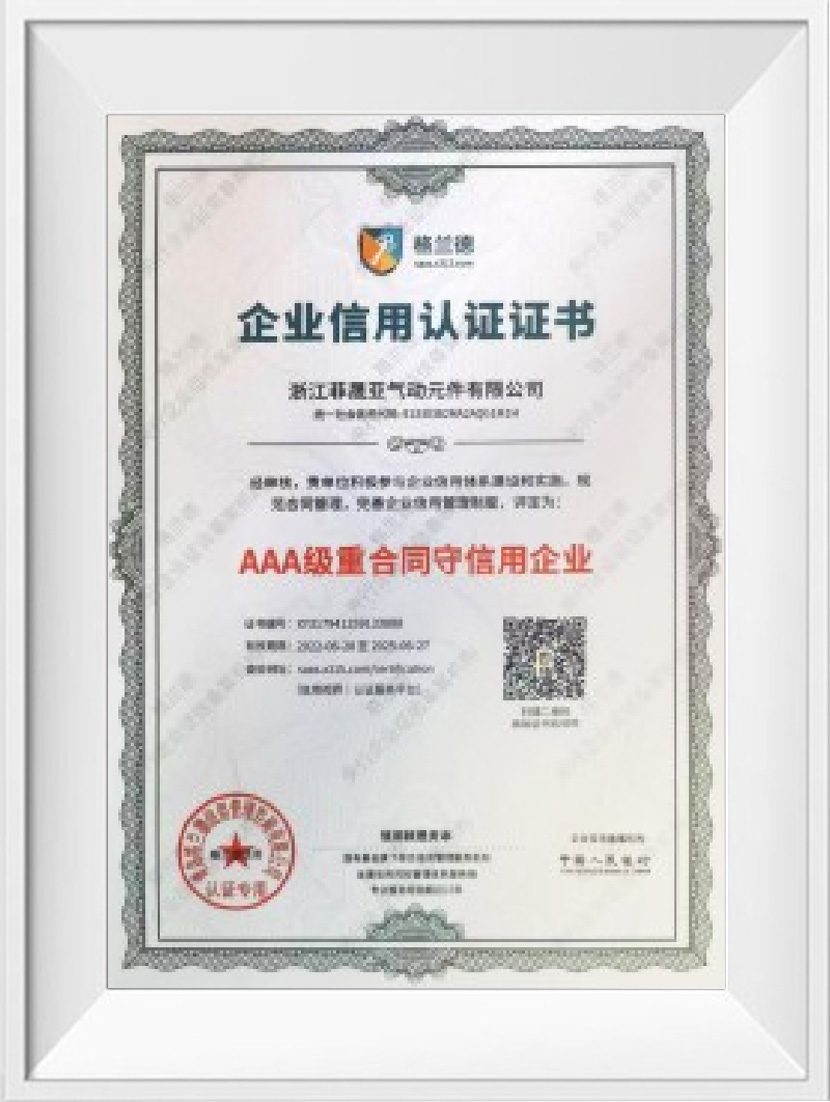
Certificate
Certificate-cs
Certificate-cs
Certificate-cs
Our LATEST NEWS

2026-10-02

2026-09-25
2026-09-18
Feishengya builds vacuum generators for pneumatic automation systems, serving automation equipment manufacturers, mechanical engineers, pneumatic system integrators, industrial machinery companies, and OEM/ODM projects — the kind of customers who need stable vacuum suction, compact machine design, faster handling cycles, and integration that doesn't fight against existing compressed air systems. Where plenty of suppliers stop at offering standard vacuum components off the shelf, Feishengya goes further, backing industrial applications with genuine pneumatic component manufacturing experience, practical selection support, and stable production capability built specifically for automation equipment.
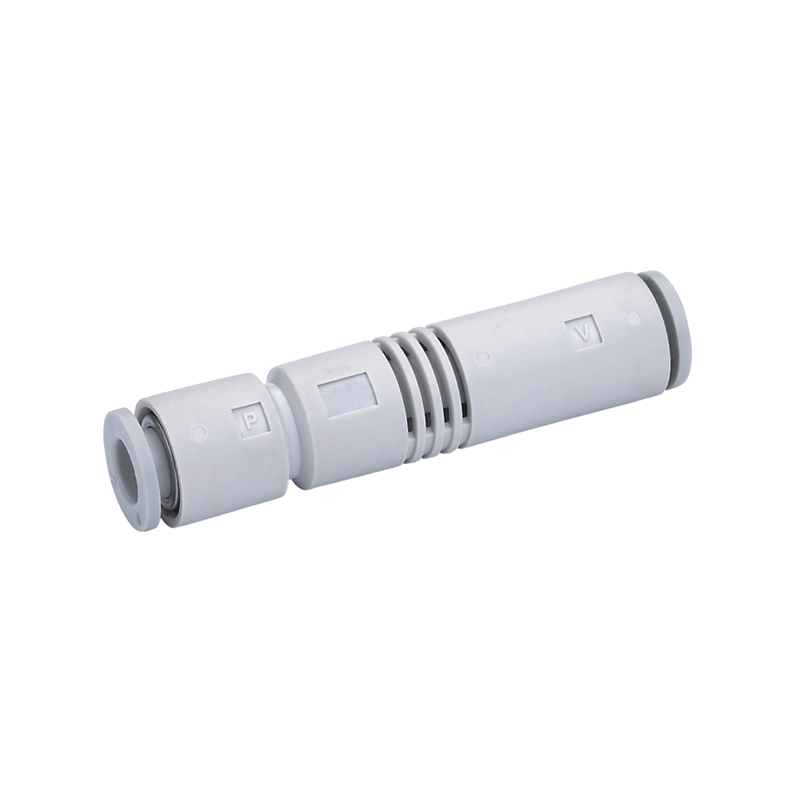
At its core, a vacuum generator is a pneumatic component that creates vacuum pressure using nothing but compressed air. That capability shows up constantly across pick-and-place systems, packaging machinery, robotic handling, material transfer equipment, and automated production lines. Rather than relying on an electric vacuum pump, it leans on the Venturi principle instead, converting compressed air flow directly into suction force.
Compact size, fast response, and easy installation are exactly what make the vacuum generator such a common sight in automation systems — anywhere workpieces need lifting, holding, moving, or positioning by suction cups, this is usually the component doing the work.
A vacuum generator creates vacuum by pushing compressed air through a narrow nozzle. As that air accelerates through the internal passage, pressure drops at the suction port — and it's that pressure difference doing all the work, generating suction that lets the system pick up or hold objects through vacuum pads or suction cups.
A typical vacuum generator rarely works alone; it's usually paired with:
Inside a complete pneumatic vacuum circuit, the sequence plays out predictably — the vacuum generator creates suction, the suction cup makes contact with the workpiece, and the control system checks whether enough vacuum pressure has built up before movement even begins.
In an automated handling system, compressed air enters the vacuum generator through the supply port, and the internal nozzle takes it from there — accelerating the airflow and generating negative pressure at the vacuum port. That vacuum travels straight to the suction cup, letting it grip the workpiece surface.
When it's time to let go, the system has two options: cut the air supply, or trigger a blow-off function for a faster, cleaner separation between suction cup and workpiece.
This whole process has stuck around in automation for good reason — it's:
Vacuum generators combine compact pneumatic design with fast suction response, making them especially useful in automated handling systems where space, speed, and repeatability all matter.
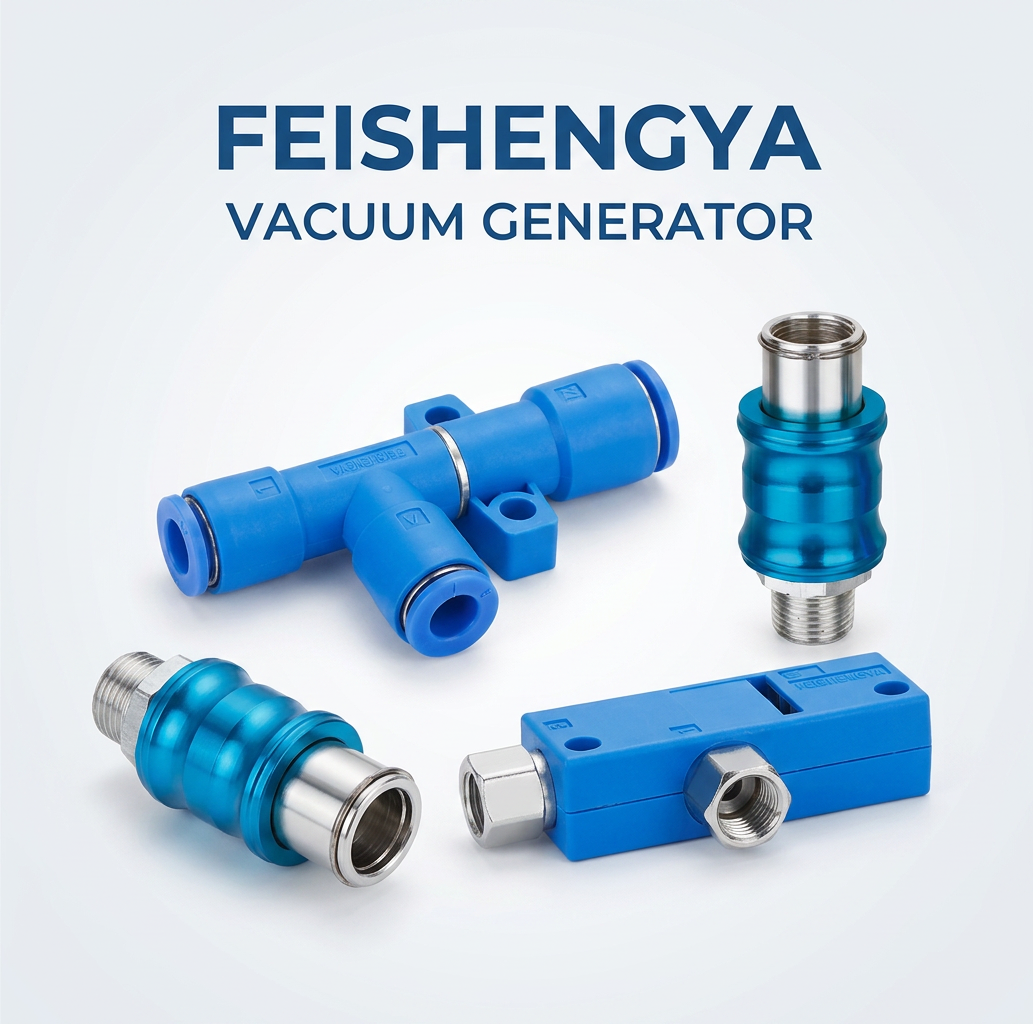
Stack a vacuum generator against an electric vacuum pump, and the size difference stands out immediately — smaller, lighter, and a much better fit for equipment where installation space and moving weight both matter.
For robotic arms and pick-and-place systems, that weight savings translates directly into practical gains: less end-effector weight means faster movement speed and a lighter mechanical load overall.
Mounting a vacuum generator right next to the suction point pays off immediately — it reaches the required vacuum level fast, which turns out to be exactly what high-cycle automation equipment needs most.
That responsiveness shows up as:
Since vacuum generators run on compressed air, slotting them into machines that already use pneumatic cylinders, solenoid valves, air preparation units, and pneumatic fittings turns out to be remarkably straightforward.
That shared air source simplifies system design in a genuinely useful way — the same compressed air supply ends up handling both motion control and vacuum handling at once.
For machine cycles where vacuum is only needed some of the time, a vacuum generator turns out to be an efficient match — suction only appears when compressed air is actually supplied, nothing running unnecessarily in between.
That efficiency makes it a solid fit for:
Get the control logic right, and unnecessary compressed air use drops accordingly.
Vacuum generators aren't picky about placement — near suction cups, inside control cabinets, on machine frames, or built into a modular vacuum unit, all work. That flexibility gives engineers real room to optimize tubing layout and response time.
One rule of thumb holds up consistently: shorter tubing between the generator and suction cup speeds up vacuum build-up and cuts down system delay.
A vacuum generator keeps things simple — no rotating electric motor sits inside the vacuum source, which is exactly what makes it well-suited to industrial environments where compactness, repeatability, and easy maintenance all carry weight.
Long-term performance still comes down to the basics, though — proper air filtration and clean suction-side conditions remain non-negotiable.
Choosing the right vacuum generator means balancing vacuum level, suction flow, compressed air supply, workpiece material, release method, and monitoring needs. A good selection keeps handling stable without wasting air.
How much vacuum a system actually needs comes down to workpiece weight, surface condition, safety factor, and suction cup size working together. Smooth, airtight surfaces generally get away with less flow, while porous or uneven surfaces demand higher suction flow to compensate.
Workpiece materials that come up often include:
Nail down the correct vacuum level, and two problems disappear at once — unstable gripping and unnecessary air consumption both stay off the table.
Suction flow is what governs how quickly the system pulls air out of the suction cup and vacuum line, and higher flow tends to matter most for porous materials or larger vacuum pads.
Getting flow selection right means factoring in:
Set flow too low, and pickup turns slow or unstable; push it too high, and compressed air consumption climbs faster than it needs to.
A vacuum generator lives and dies by compressed air quality and pressure, so keeping supply pressure stable is essential for consistent vacuum output.
Selection should weigh:
Clean, dry compressed air does double duty here — protecting the internal nozzles while keeping vacuum performance steady over time.
The workpiece surface itself shapes vacuum handling more than most people expect. Smooth surfaces grip easily, while porous, rough, curved, or dusty surfaces each bring their own complications worth thinking through.
A few examples make the pattern clear:
None of this works in isolation — the vacuum generator, suction cup, and control method all need selecting as a matched set.
Some applications get by with a simple vacuum stop for release, while others need a blow-off function to speed up part separation.
Blow-off tends to make sense when:
Dial in the release function properly, and placement accuracy improves right alongside cycle consistency.
Automated equipment benefits enormously from vacuum monitoring, which confirms a part has actually been picked up — typically through a vacuum switch or pressure sensor sending feedback straight to the PLC or controller.
That monitoring earns its place in systems built around:
For any system handling valuable or delicate parts, vacuum feedback stops being optional and becomes a core design consideration.
Vacuum generators are widely used wherever suction-based handling makes the machine faster, cleaner, or more compact. They are especially common in systems that need repeated pick-up, transfer, positioning, and release actions.
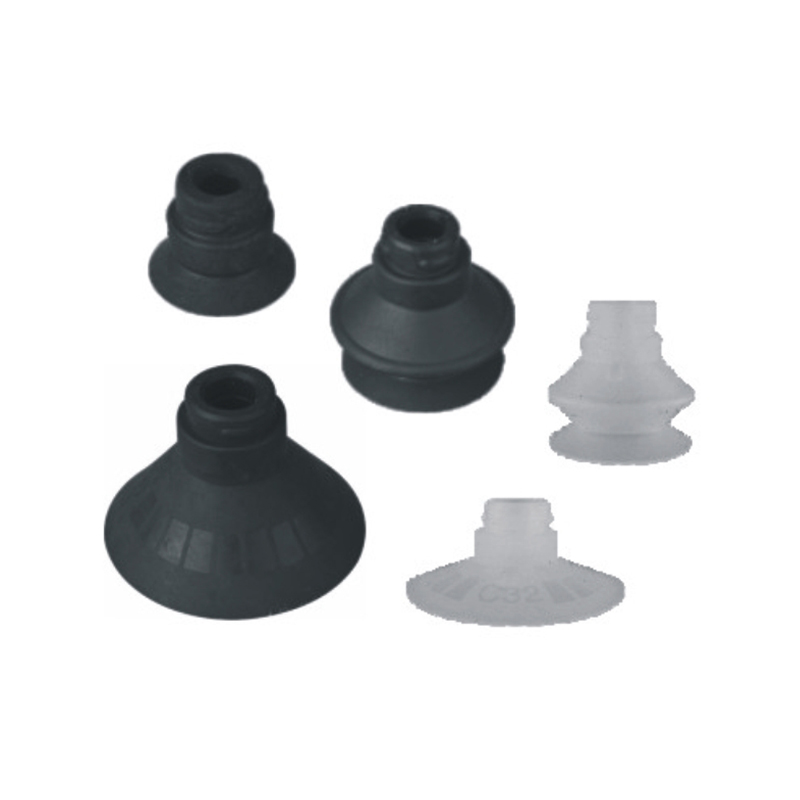
Fast part transfer is where vacuum generators really shine, pairing up with suction cups to lift, move, and place components with real accuracy across pick-and-place systems.
That plays out in situations like:
Packaging equipment puts vacuum generators to work handling film, opening cartons, transferring pouches, positioning labels, and loading product onto lines.
Stable suction pays off here in two ways at once — packaging speed picks up, and placement errors drop.
Mount a vacuum generator right near a robotic gripper or end effector, and its compact size starts paying dividends immediately, cutting down arm load and sharpening response during high-speed movement.
That shows up across:
Electronic components tend to be unforgiving about rough handling, which is exactly where vacuum generators earn their keep — delivering controlled suction suited to small, lightweight, and delicate parts.
Common territory includes:
In food and pharmaceutical machinery, vacuum generators step in for container handling, pouch movement, lid transfer, and automated packaging tasks.
Designing these systems well means keeping cleanliness, material suitability, and air quality requirements firmly in view from the start.
Moving sheets, panels, films, and other light materials through production systems is another natural fit for vacuum generators. For porous or larger surfaces, multi-stage or higher-flow models tend to be the better call.
Feishengya approaches vacuum generators as part of a complete pneumatic handling system. That means vacuum source selection, suction cup matching, valve control, tubing layout, and air preparation all get considered together rather than treated as separate pieces.
Feishengya's focus spans cylinders, solenoid valves, mechanical valves, and vacuum-related products — and that breadth of experience is exactly what gives the company real insight into how vacuum generators actually work alongside suction cups, air control valves, fittings, tubing, and compressed air systems more broadly.
That kind of system-level understanding is what makes practical product matching possible for industrial automation equipment, rather than treating each component as an isolated part.
Vacuum generator performance never comes down to just one factor — vacuum level, suction flow, air pressure, workpiece material, suction cup size, and tubing layout all play into it together. Feishengya guides model selection based on what the application actually needs, not just spec sheets and dimensions.
That approach goes a long way toward cutting down mismatch risks, whether the situation calls for equipment design, part replacement, or a fresh project build.
Zhejiang Feishengya Pneumatic Components Co., Ltd. brings product development, production, processing, technical service, and international trade together under one roof, backed by production equipment, testing methods, CAD, SOLIDWORKS, and ERP management working in tandem to keep manufacturing consistent.
For vacuum generators specifically, that consistency shows up in stable nozzle structure, reliable sealing, accurate port processing, and steady air performance — the details that ultimately decide how well a generator holds up over years of use in automation systems.
Feishengya puts together vacuum generator solutions for automation machinery, packaging systems, robotic tooling, assembly fixtures, material handling equipment, and pneumatic control systems, covering a genuinely wide range of industrial needs.
As a vacuum generator manufacturer and supplier based in China, Feishengya keeps its focus on practical compatibility, dependable application matching, and pneumatic performance built to hold up under real industrial demands.

Phone: +86-15957736756
E-mail: [email protected]
Add: No.7, Yongxing Second Road, Chengdong Industrial Functional Zone, Chengdong Subdistrict, Yueqing City, Zhejiang Province, P.R.China
Copyright © Zhejiang Feishengya Pneumatic Components Co., Ltd. All Rights Reserved.
 Vacuum Generator for Pick and Place
 English
 русский
 عربى
عربى Español