/

/

Search
Category
Hot Products
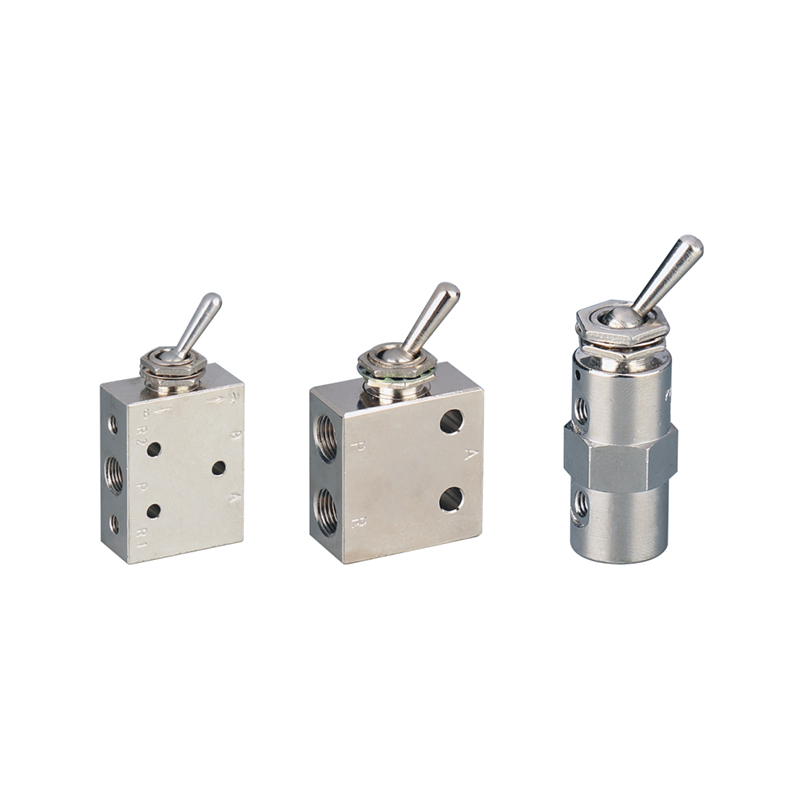
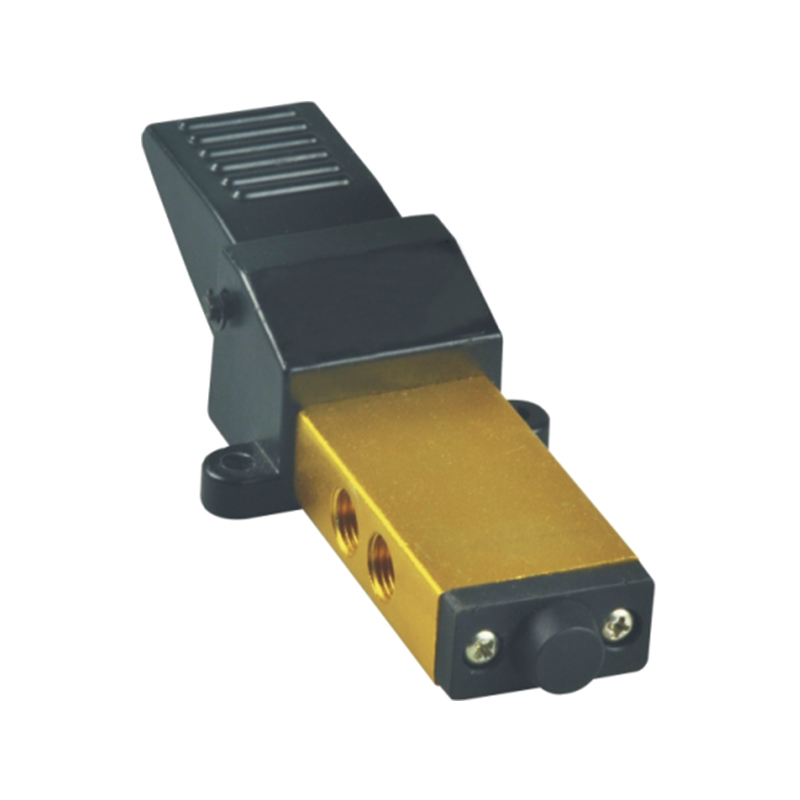
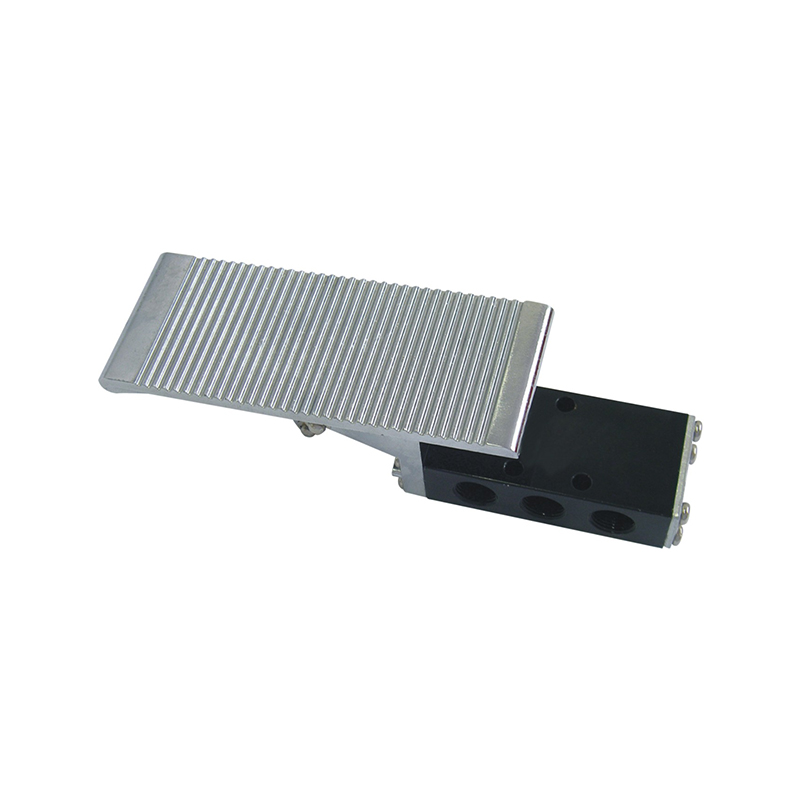
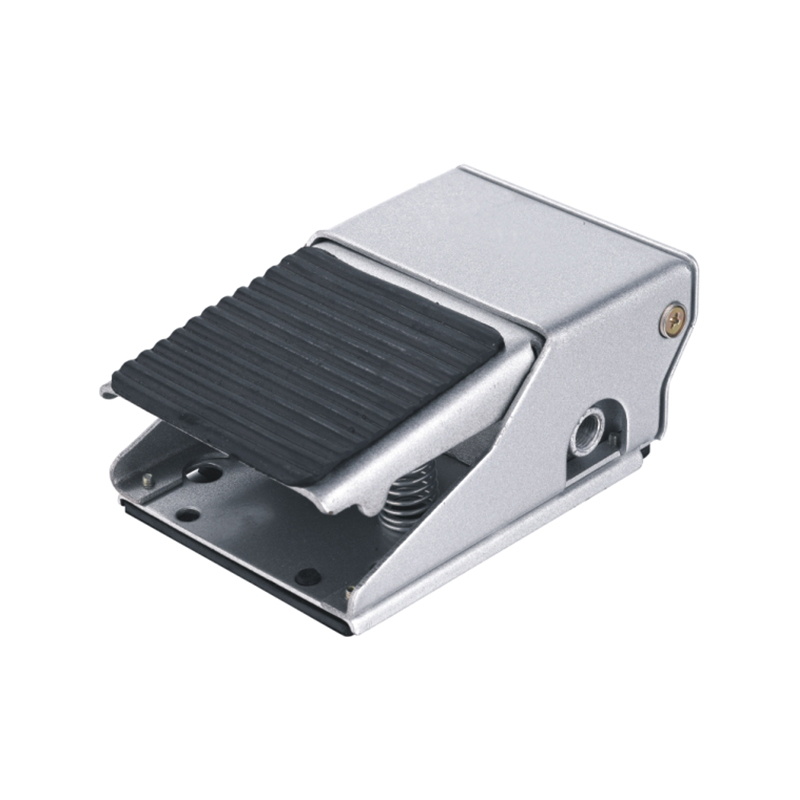
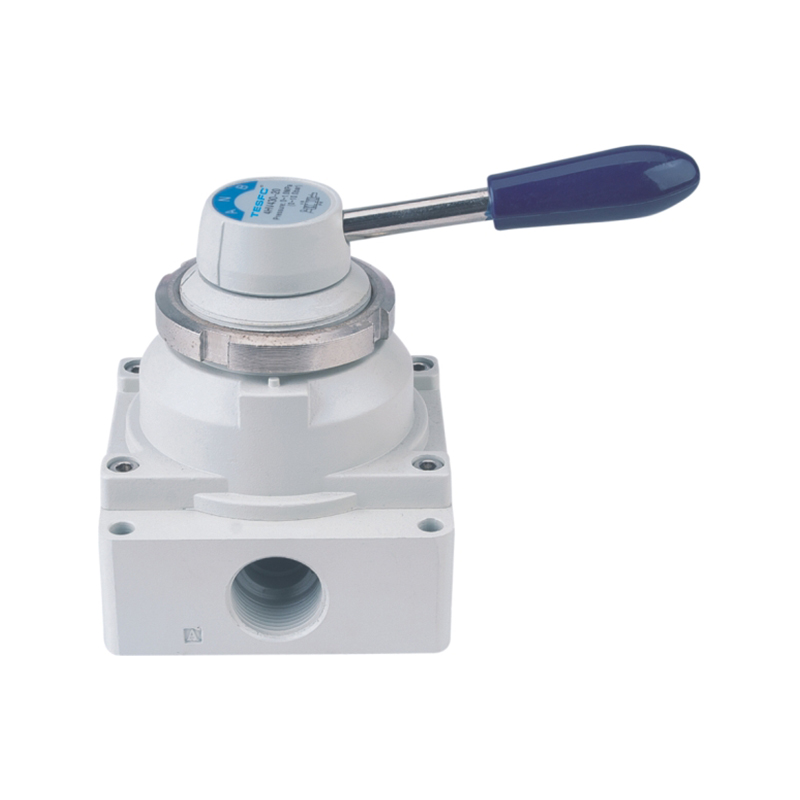
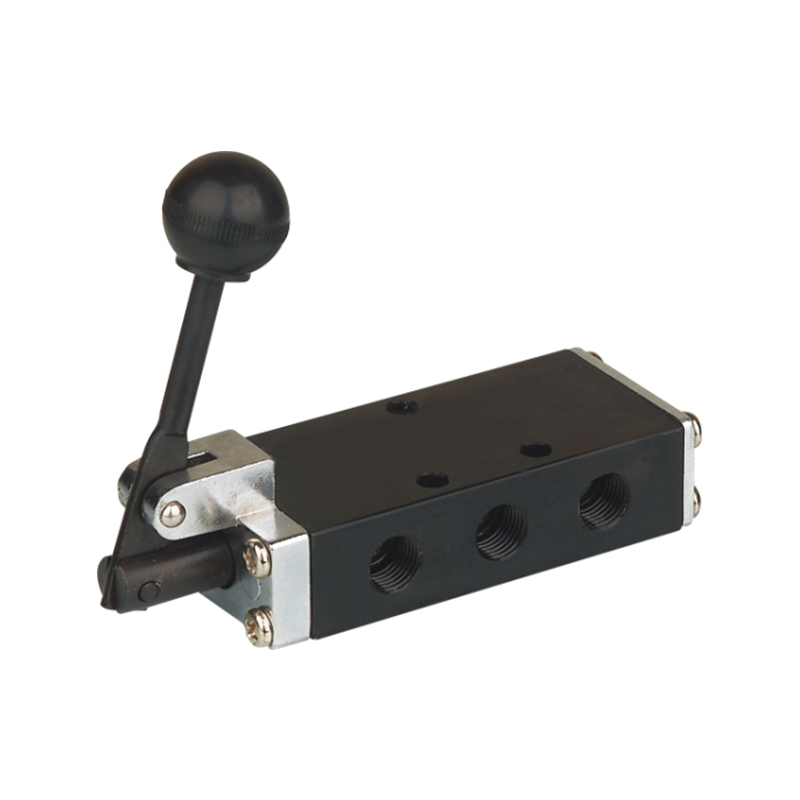
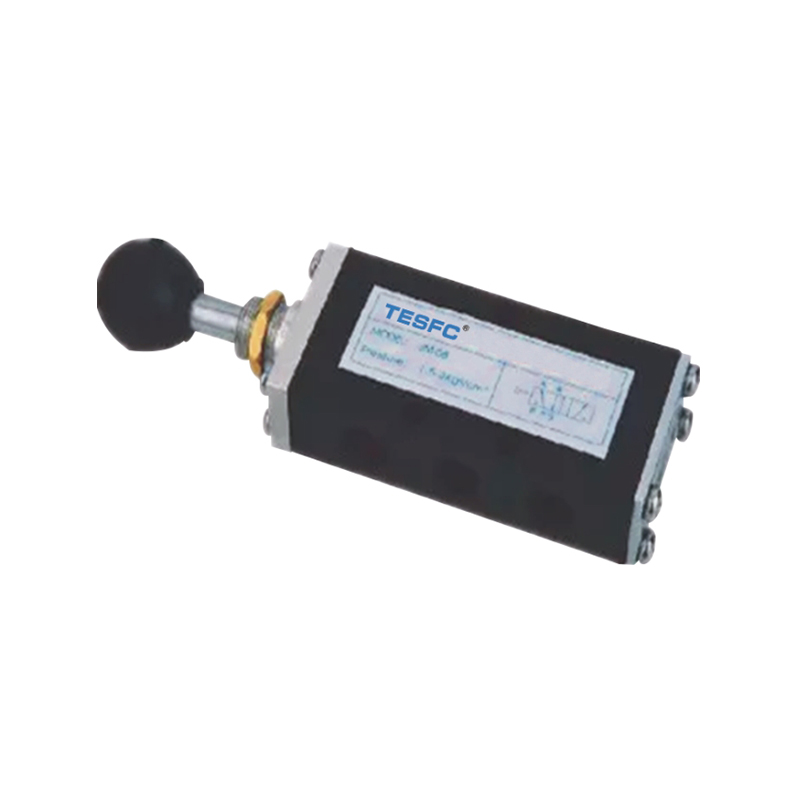
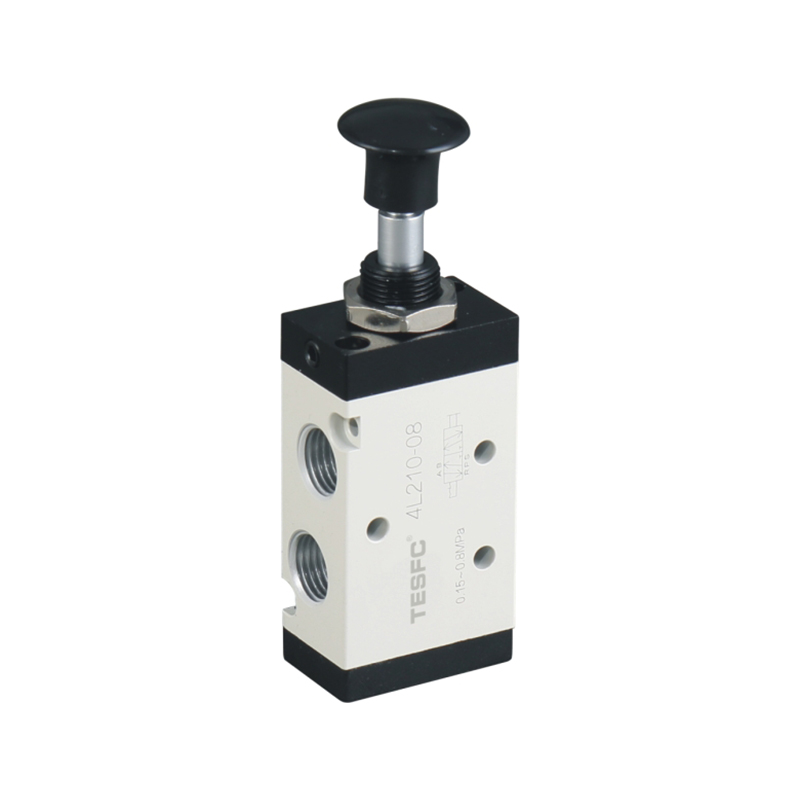
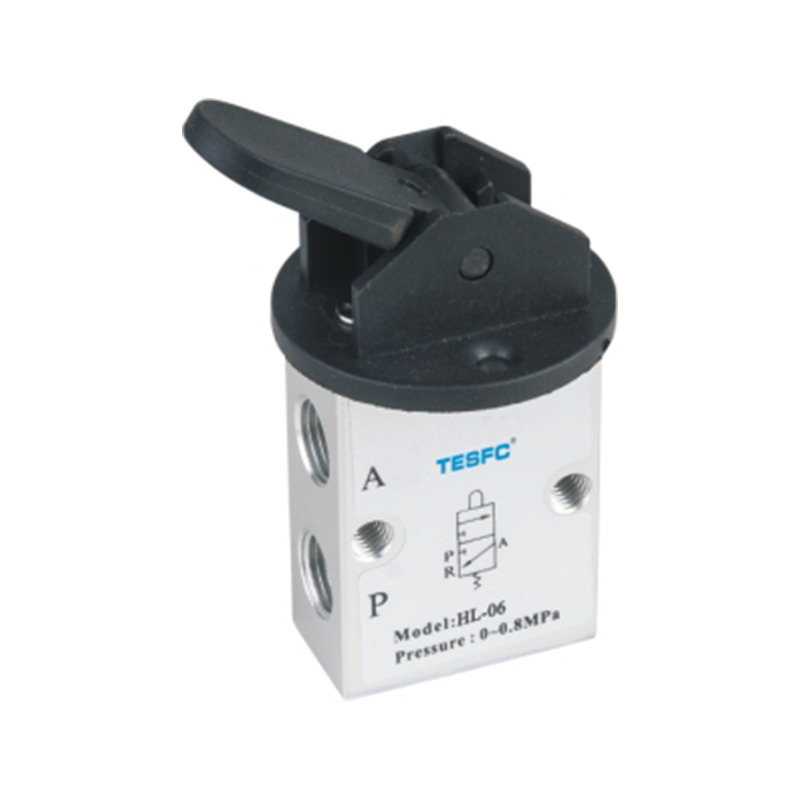
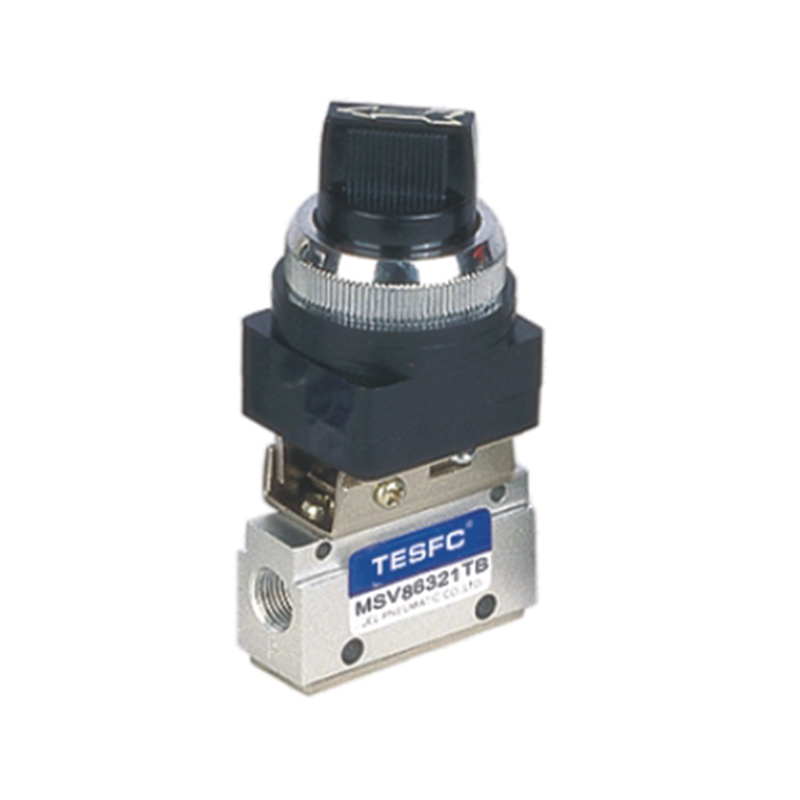
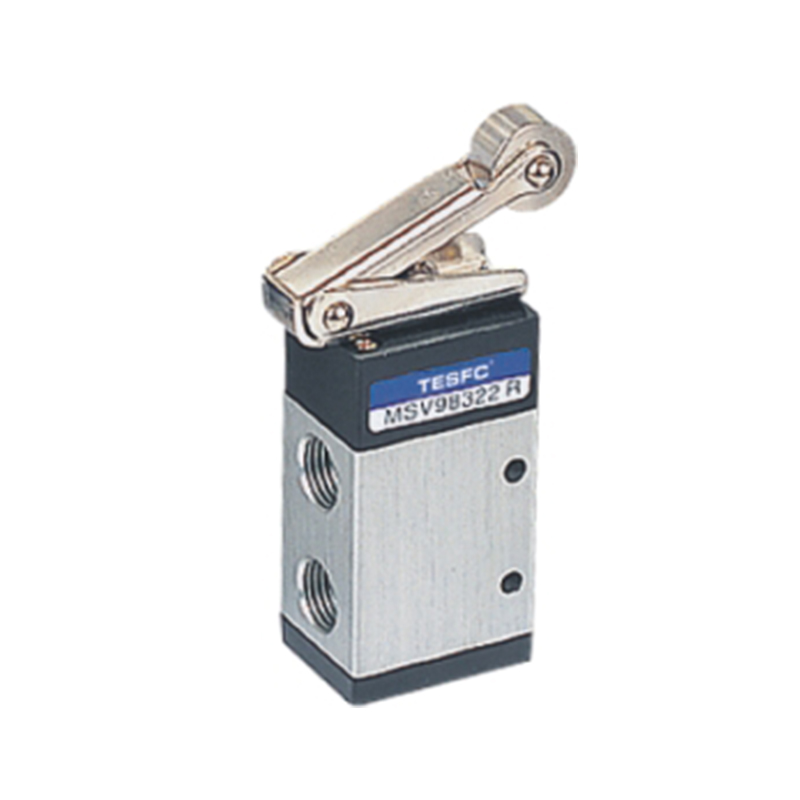
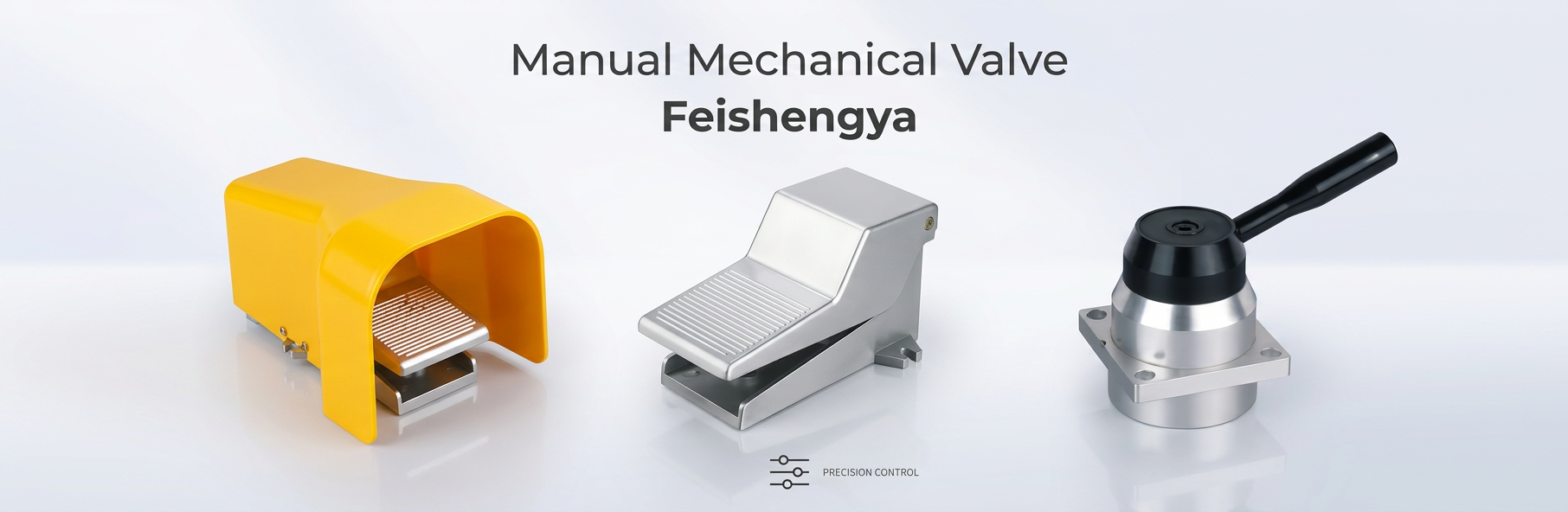
Manual mechanical valves take a different route to pneumatic control — instead of relying on electrical signals, they start, stop, switch, or exhaust compressed air through direct mechanical operation, someone physically triggering the valve to do its job. That makes them a natural fit for pneumatic workstations, assembly fixtures, packaging machinery, maintenance circuits, and anywhere manual override needs to stay an option. Feishengya's lineup covers the structures you'd expect — hand lever, push button, foot pedal, roller lever, and rotary knob types — each available across 2/2-way, 3/2-way, 5/2-way, and 5/3-way configurations depending on what the valve needs to do. Set against a solenoid valve, the appeal here is independence from electrical control altogether, which is exactly why these valves work so well for simple on/off control, setup adjustments, emergency release situations, and any process where an operator needs direct hands-on control. Drawing on genuine pneumatic component manufacturing experience and practical selection support, Feishengya puts together mechanical valve solutions built to deliver stable airflow control across industrial pneumatic systems.

Zhejiang Feishengya Pneumatic Components Co., Ltd.
Zhejiang Feishengya Pneumatic Components Co., Ltd. is a pneumatic component enterprise that integrates scientific R&D, production and processing, operation and sales, technical services, import and export trade, and personnel training. It specializes in the production, processing, and sales of pneumatic components such as cylinders, solenoid valves, and Mechanical Valve.
The company has always adhered to serving society with practical quality, high-quality service, comprehensive technology, and reasonable prices, and is committed to striving to create a "Chinese famous brand".
Our company has nearly a hundred advanced processing pieces of equipment. There are currently 120 employees, including over 20 professional and technical personnel, with an annual production capacity of 500,000 pieces (sets) of various components. We have advanced production processes, complete testing methods and equipment, and a high-quality workforce. We organize production and sales with a practical and innovative concept, and have passed ISO9001 international quality management system certification. We use CAD, SOLIDWORKS, and ERP for engineering design and enterprise management. Continuously increasing product development efforts and investment, continuously upgrading and improving equipment and products to meet customer needs with higher cost-effectiveness, and providing high-performance products and convenient and fast services to new and old users anytime, anywhere.
Mechanical Valve manufacturer & supplier - Feishengya Pneumatic adheres to the principles of "strict production, scientific management, continuous improvement, and stable quality with a rigorous and down-to-earth work style, a pioneering spirit of self-improvement, an honest and down-to-earth management style, and first-class production technology. Relying on the increasingly mature market system and flexible industry mechanisms, we adhere to the development path of technology oriented, outward oriented, and comprehensive, and provide more and better quality services for various industries.
All employees of Zhejiang Feishengya Pneumatic Components Co., Ltd. sincerely welcome friends from all industries to visit, exchange ideas and cooperate with us.
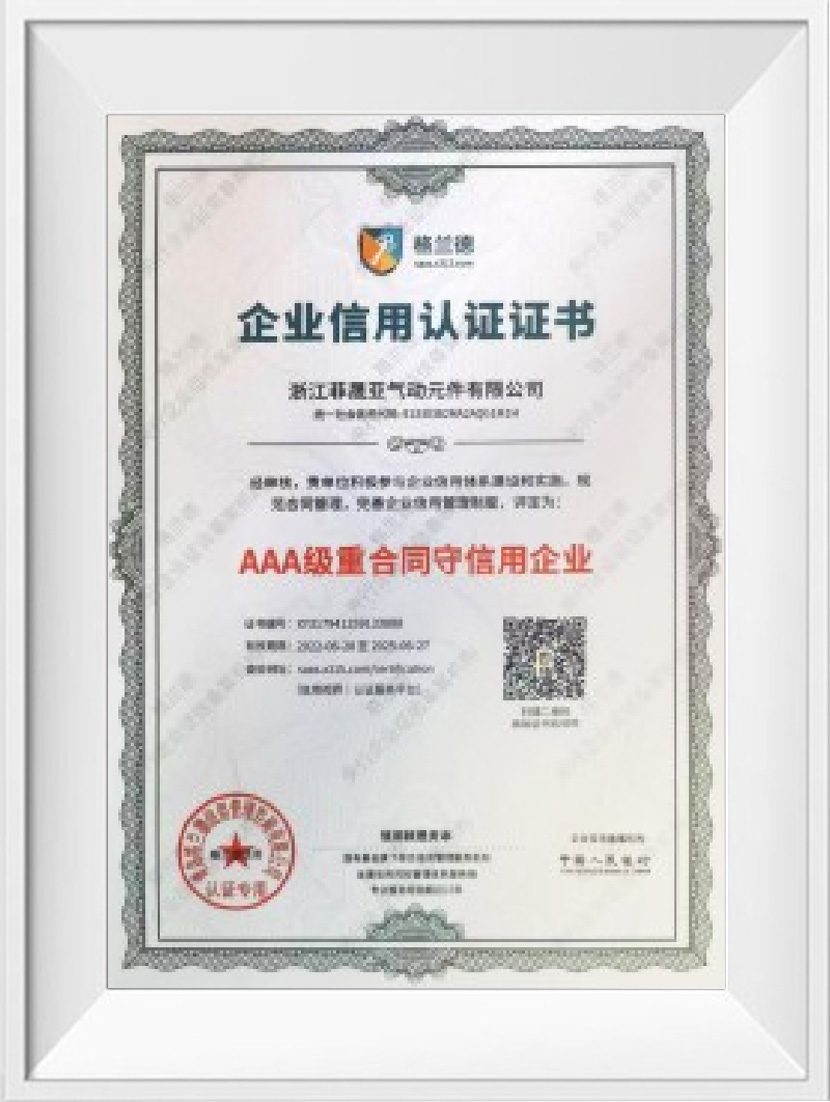
Certificate
Certificate-cs
Certificate-cs
Certificate-cs
Our LATEST NEWS

2026-10-02

2026-09-25
2026-09-18
Feishengya supplies manual mechanical valves to automation equipment manufacturers, mechanical engineers, pneumatic system integrators, industrial machinery companies, and OEM/ODM projects — helping them get simpler circuit control, dependable manual operation, easier maintenance down the road, and less reliance on electrical control components overall. What sets Feishengya apart from suppliers that just push generic valve models is the pneumatic component manufacturing experience behind it, a genuine grasp of how cylinders and valves need to match up, and production capability stable enough to hold up under real industrial demands.
A manual mechanical valve is exactly what it sounds like — a hand-operated valve that controls direction, start, stop, or release of compressed air moving through a pneumatic system. You'll typically find it installed wherever operators need direct hands-on control over pneumatic cylinders, air actuators, clamps, fixtures, or safety release functions.
Set against an electromagnetic valve, which needs an electrical signal and a solenoid coil to do anything, a manual mechanical valve works through pure mechanical action instead. Operators trigger it by hand, foot, lever, knob, push button, or roller mechanism — whatever the design calls for. That makes it the right choice wherever manual intervention, straightforward control logic, or emergency operation is part of the job.
A mechanical valve changes airflow paths through physical movement, not electrical actuation. Inside a pneumatic system, it controls compressed air by opening, closing, or switching the internal passages built into the valve body.
Manual mechanical valves generally handle jobs like:
Since there's no coil, sensor, or electrical command involved, this valve type earns its place in applications where control needs to stay simple, visible, and directly in the operator's hands.
Inside a manual mechanical valve, you'll typically find a valve body, spool or poppet, seals, spring, actuator mechanism, and air ports. The moment an operator pushes, turns, presses, or moves the actuator, the internal spool shifts — and that shift changes how the inlet, outlet, and exhaust ports connect to each other.
To put it concretely:
This mechanical switching approach gives operators real control over pneumatic movement — no electrical power, no automated signal required, just direct action translating straight into airflow control.
Manual mechanical valves come in several operating styles, each designed around a different type of human or mechanical actuation. The right type depends on how the operator interacts with the machine, how often the valve cycles, and where it needs to be installed.
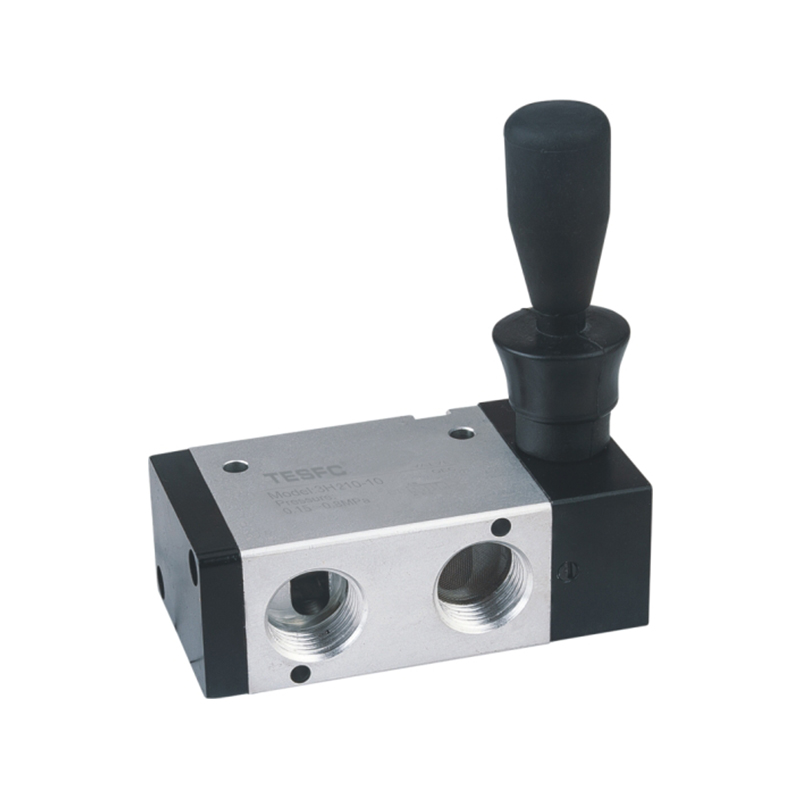
Move the lever into position, and that's essentially the whole operation — a hand lever valve gives operators clear, deliberate control wherever stable manual operation and obvious positioning matter.
You'll find it doing work in:
What makes the lever design useful is the tactile feedback it gives — operators can tell exactly where the valve sits just by feel, without needing to double-check.
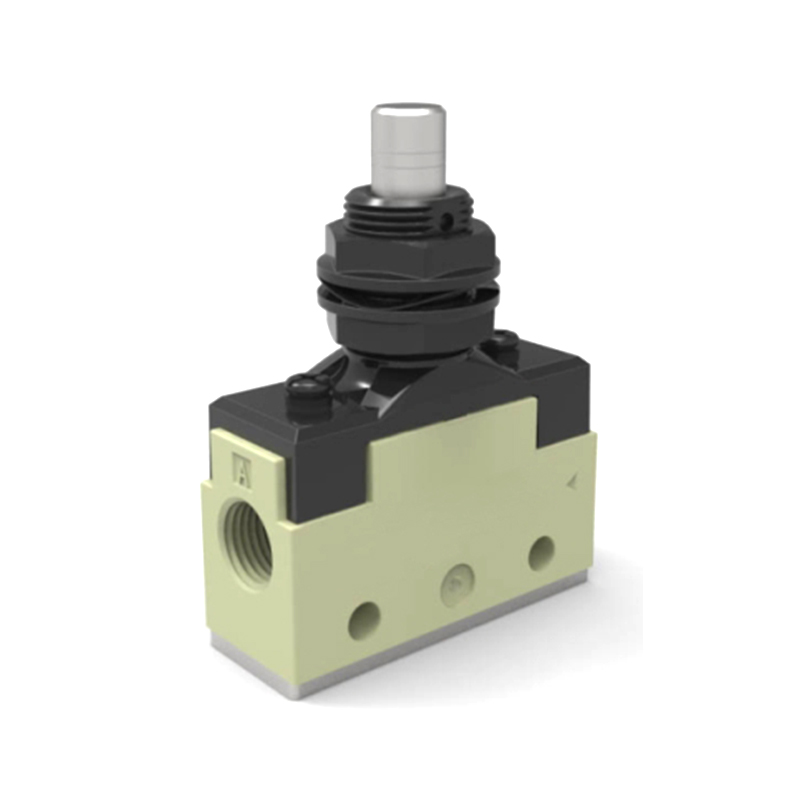
Press the button, and the valve actuates — simple as that. It's a natural fit for short pneumatic signals or quick manual start functions.
Common uses run along the lines of:
Depending on what the circuit logic calls for, push button valves come configured as either normally closed or normally open.
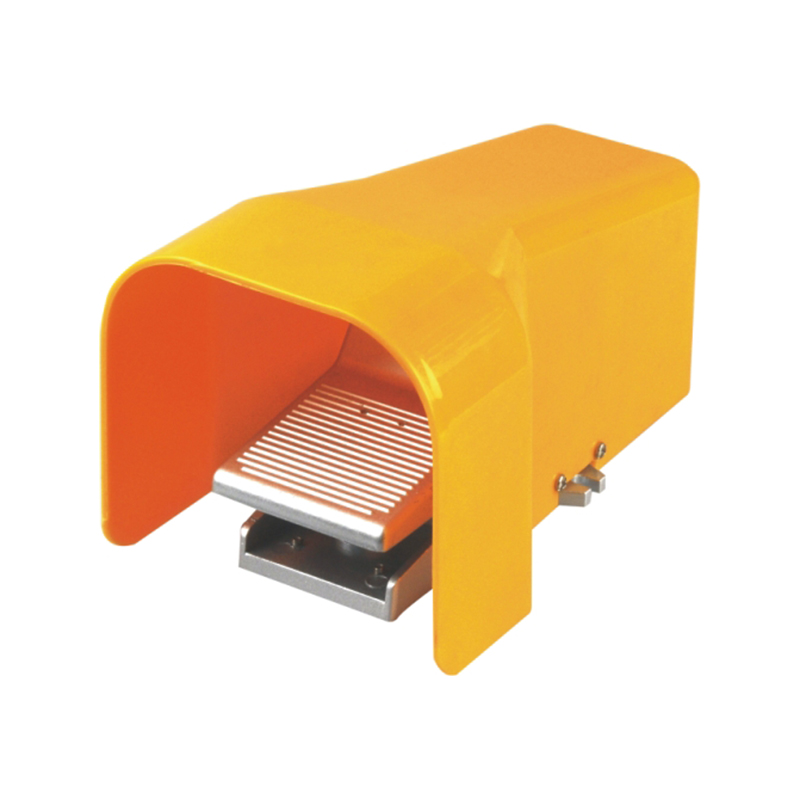
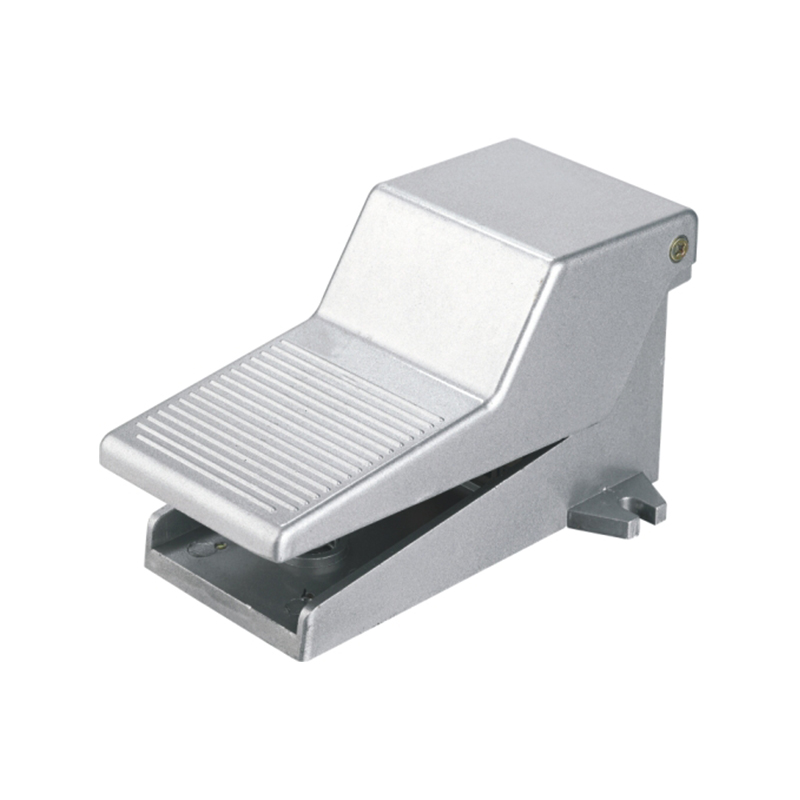
A foot pedal valve frees up both hands for handling parts or tools while still keeping compressed air fully under the operator's control.
That hands-free advantage shows up most in:
Wherever a manual workstation benefits from keeping hands free, foot operation makes the whole process noticeably more convenient.
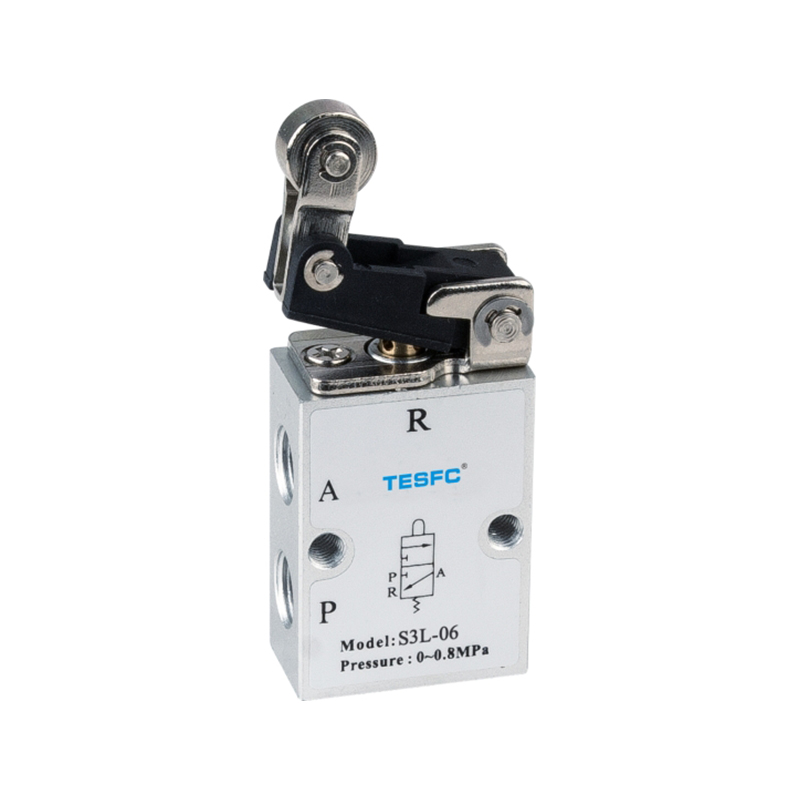
A roller lever valve triggers through physical contact — a moving part, a cam, or a cylinder mechanism brushing against it — which makes it well suited for position detection or sequence control within a pneumatic circuit.
It typically handles:
There's no electricity involved anywhere in this, yet it still manages a genuinely automatic mechanical response, driven purely by the machine's own movement.
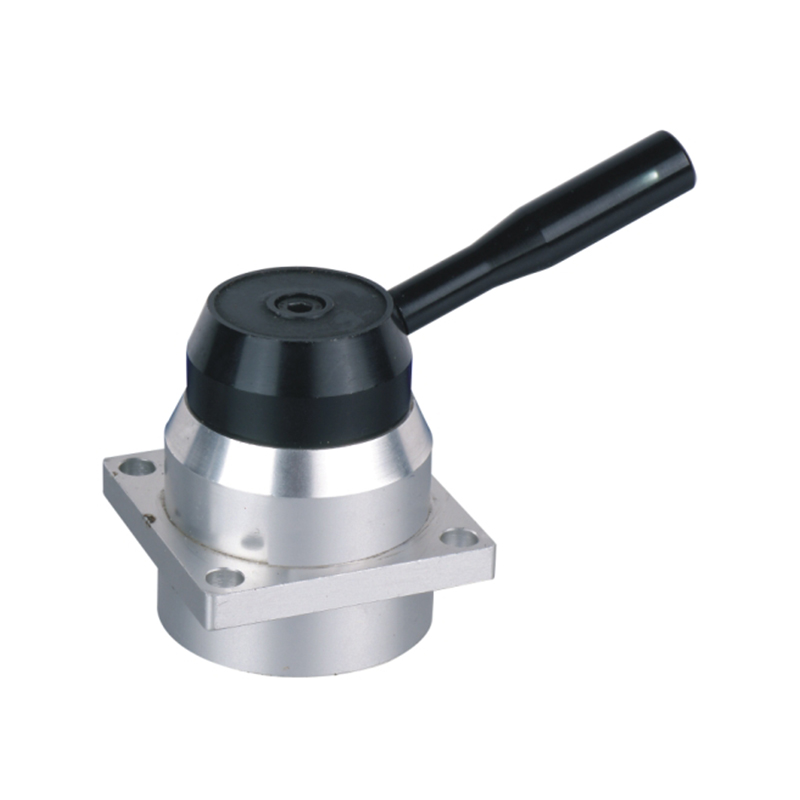
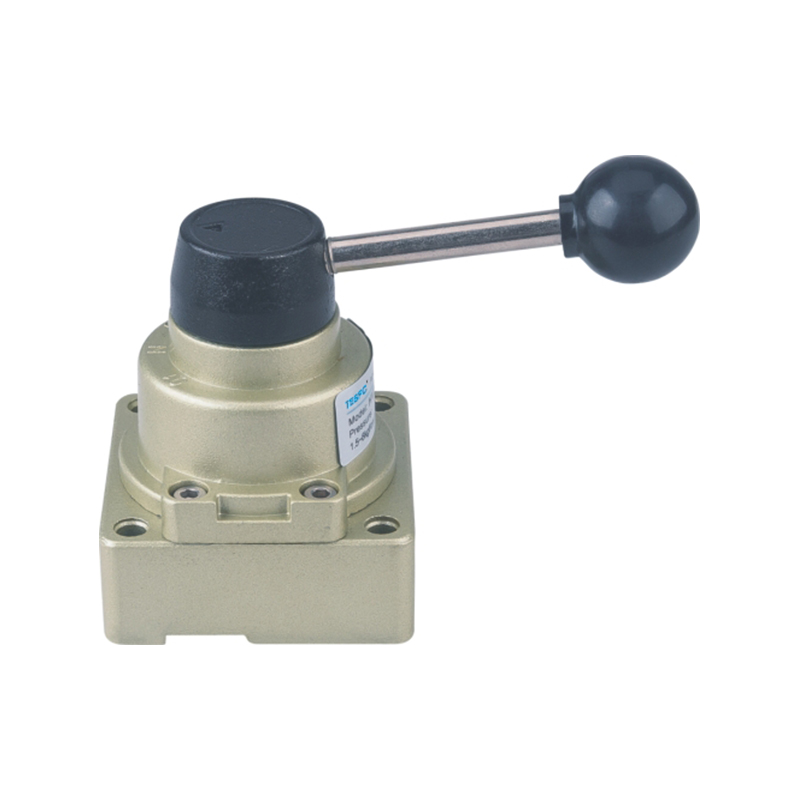
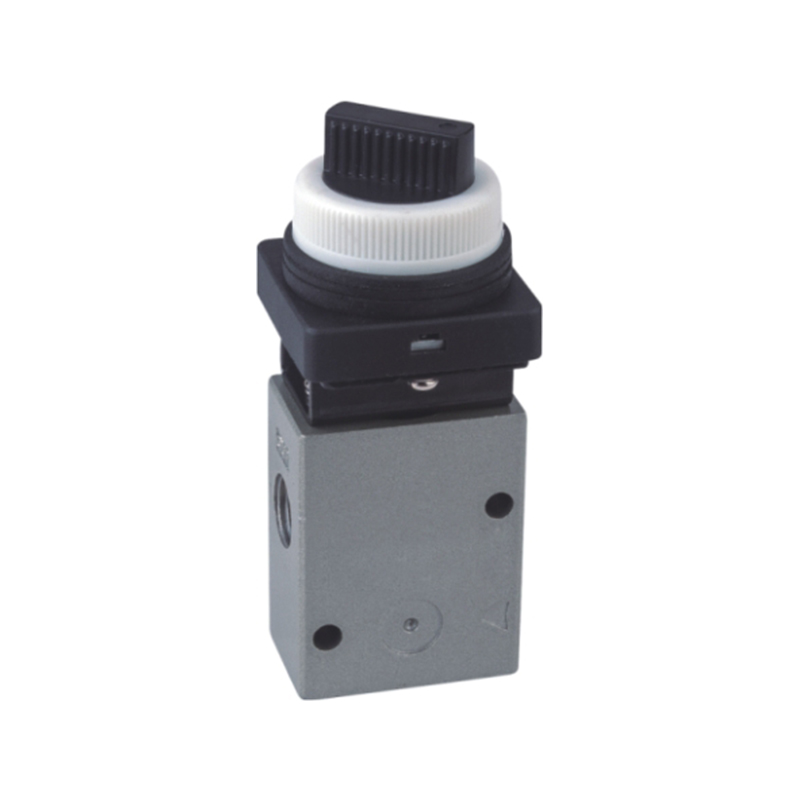
Turn the knob, shift the valve position — a rotary knob valve gives operators stable switching along with a clear, deliberate way to select settings manually.
Where it typically earns its place:
Its compact build makes it a natural choice for equipment panels and any installation where space runs tight.
Beyond the actuator style, manual mechanical valves are also selected by airflow function. Matching the port and position configuration to the cylinder or circuit logic is what keeps pneumatic movement predictable.
With just two ports and two positions, a 2/2-way valve keeps things basic — its job is opening or closing an air line, nothing more.
That translates into functions like:
Wherever the requirement boils down to nothing more than starting and stopping flow, this is the valve that fits.
Add a third port to that two-position structure, and you get a 3/2-way valve — the go-to choice for single-acting cylinders or generating pneumatic signals manually.
It's built to handle:
This structure shows up all over simple pneumatic circuits, precisely because it covers so much ground with so little complexity.
Five ports, two positions — a 5/2-way valve steps up to controlling double-acting cylinders, where air needs to move in and out on both sides.
Common functions include:
For machinery that calls for direct manual control over double-acting actuators, this valve type does the job well.
A 5/3-way valve keeps the five ports but adds a third position, with that center position landing as closed, exhausted, or pressurized depending on how the valve's built.
That extra middle position opens the door to systems needing:
Getting the center function right matters here — it should be chosen based on how the actuator behaves and what safety requirements the system demands.
Manual mechanical valves are valued for their simplicity, visibility, and independence from electrical control. In practical pneumatic systems, they often serve as the most direct and dependable way to control air movement by hand.
Strip away the need for electrical power entirely, and you land on one of the biggest advantages a manual mechanical valve brings to the table — which is exactly why it works so well in simple pneumatic equipment, remote workstations, maintenance circuits, and emergency control points.
Even when a power loss would knock out electrical control completely, manual valves keep working, offering direct operation regardless of what's happening with the power supply.
There's nothing hidden about how a manual mechanical valve operates — operators can see or feel the actuation state directly, whether it's a lever, button, pedal, or knob doing the work.
That transparency turns out to be genuinely useful for:
And because the structure stays simple, the valve itself remains easy to understand and operate, even for someone new to the equipment.
Underneath, a mechanical valve keeps things straightforward — a simple internal flow path paired with a mechanical actuation structure. The body itself might be aluminum alloy, brass, engineering plastic, or another industrial material, depending on the model.
How well it holds up over time comes down to a handful of factors:
Given clean compressed air and correct installation, manual mechanical valves settle into stable, reliable performance even under repeated, heavy-duty operation.
An electromagnetic valve earns its keep in PLC-controlled automation, while a manual mechanical valve does better work wherever direct human operation or non-electrical control is what's actually needed. In plenty of machines, you'll find both types working side by side.
A typical split looks like this:
That kind of pairing gives the system real flexibility, and it makes life easier for maintenance teams trying to manage pneumatic circuits efficiently.
Manual mechanical valves come in compact structures with a range of mounting forms, ready to install on control panels, machine frames, workstations, or right next to pneumatic actuators.
That flexibility brings integration advantages like:
Get the installation right, and the valve pays off twice over — better usability for operators, and a more organized pneumatic system overall.
Choosing a manual mechanical valve is about more than matching a port thread. The valve function, actuation method, flow capacity, operating pressure, air quality, and installation environment all need to fit the actual pneumatic circuit.
Before anything else, the first step in selecting a valve comes down to confirming exactly what job it needs to do within the pneumatic circuit.
The general guidance breaks down like this:
Get the function selection right from the start, and you sidestep a lot of headaches down the line — unstable actuator movement and circuit mismatch chief among them.
The actuation method needs to line up with how the operator actually works and how the machine itself is laid out.
That usually points toward one of these:
Choose well here, and the payoff shows up in better convenience, tighter safety, and a smoother workflow overall.
Port size drives airflow capacity, which in turn shapes actuator speed — go too small, and cylinder movement turns sluggish or inconsistent; go too large, and the circuit ends up bulkier and less efficient than it needs to be.
Getting this right means weighing:
For pneumatic cylinders with heavier air consumption, dialing in the right flow capacity matters even more than usual.
Manual mechanical valves are built to operate within a specified pressure range, and keeping compressed air clean and dry goes a long way toward protecting the internal seals and moving parts.
Solid air preparation typically covers:
Let air quality slip, and the consequences show up fast — leakage, spool sticking, or a service life that falls well short of expectations.
Where and how a valve gets installed should reflect the actual operating environment it's going into — dust, oil mist, vibration, temperature, and operator access all play a role in how well it performs over the long haul.
For industrial equipment, the installation position needs to allow for:
Get the installation design right, and reliability improves right alongside maintenance efficiency — the two tend to move together.
Key factors include valve type, port size, actuation method, working pressure, material, sealing performance, and compatibility with pneumatic cylinders or control systems.
Yes. They can be used in assembly fixtures, packaging machinery, testing equipment, pneumatic workstations, maintenance circuits, and air control panels.
Useful information includes valve function, port thread, working pressure, airflow requirement, actuator type, installation method, and application environment.
They can replace electromagnetic valves in applications requiring direct manual control, simple operation, or manual override. For PLC-controlled automation, electromagnetic valves are more suitable.
Feishengya provides practical pneumatic valve solutions with manufacturing experience, stable product consistency, multiple actuation options, and support for industrial pneumatic system matching.

Phone: +86-15957736756
E-mail: [email protected]
Add: No.7, Yongxing Second Road, Chengdong Industrial Functional Zone, Chengdong Subdistrict, Yueqing City, Zhejiang Province, P.R.China
Copyright © Zhejiang Feishengya Pneumatic Components Co., Ltd. All Rights Reserved.
 Mechanical Valve OEM Supply Factory
 English
 русский
 عربى
عربى Español