/

/

Search
Category
Hot Products
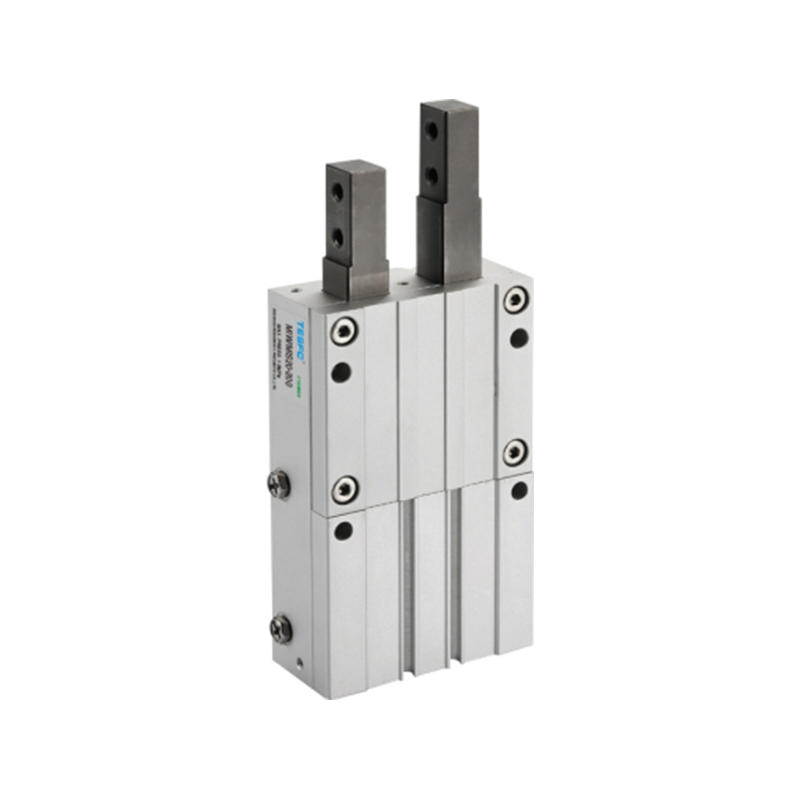
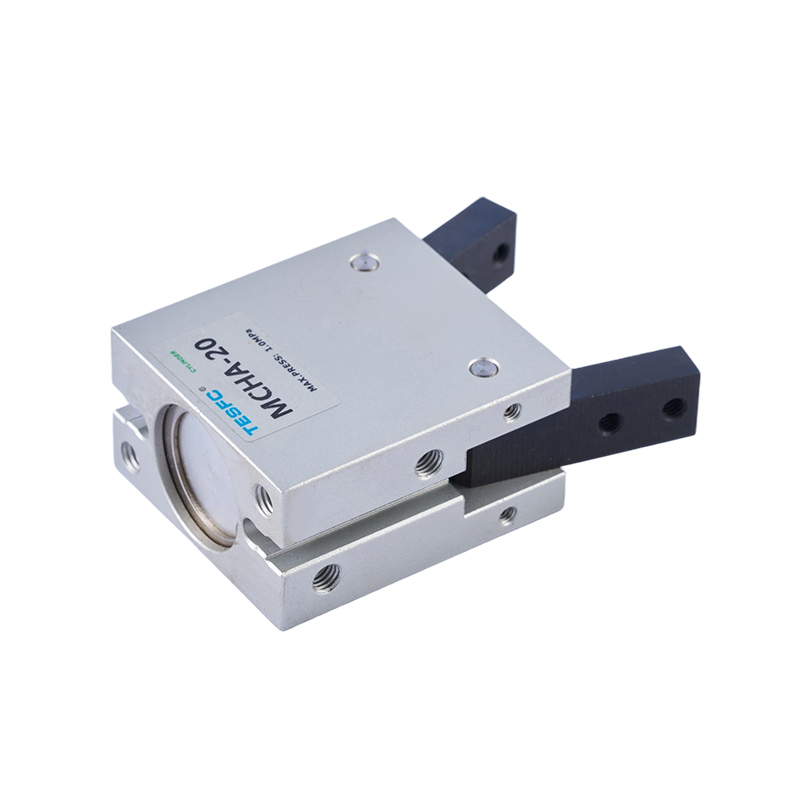
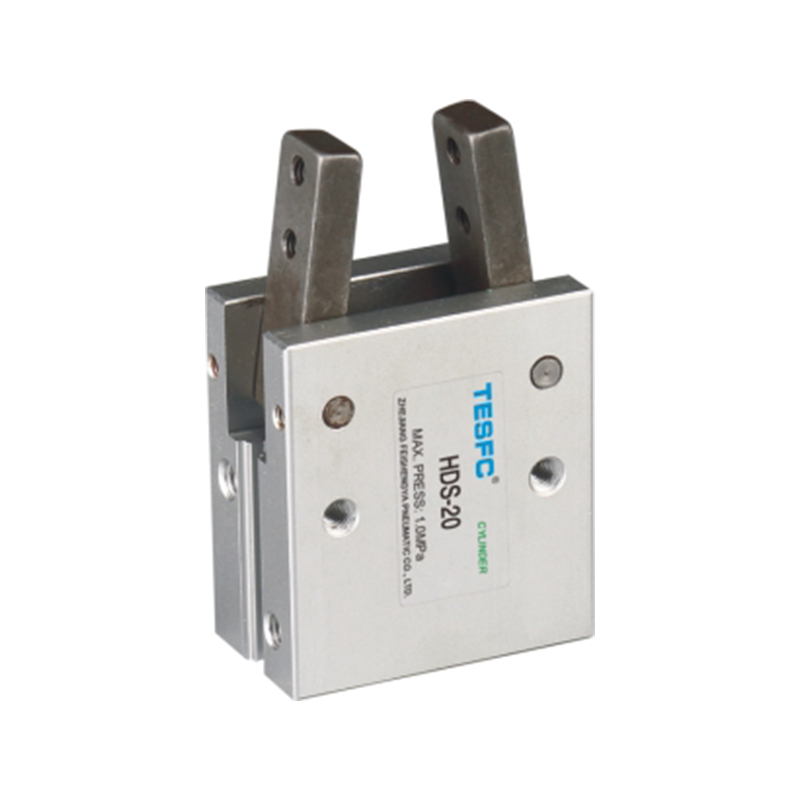
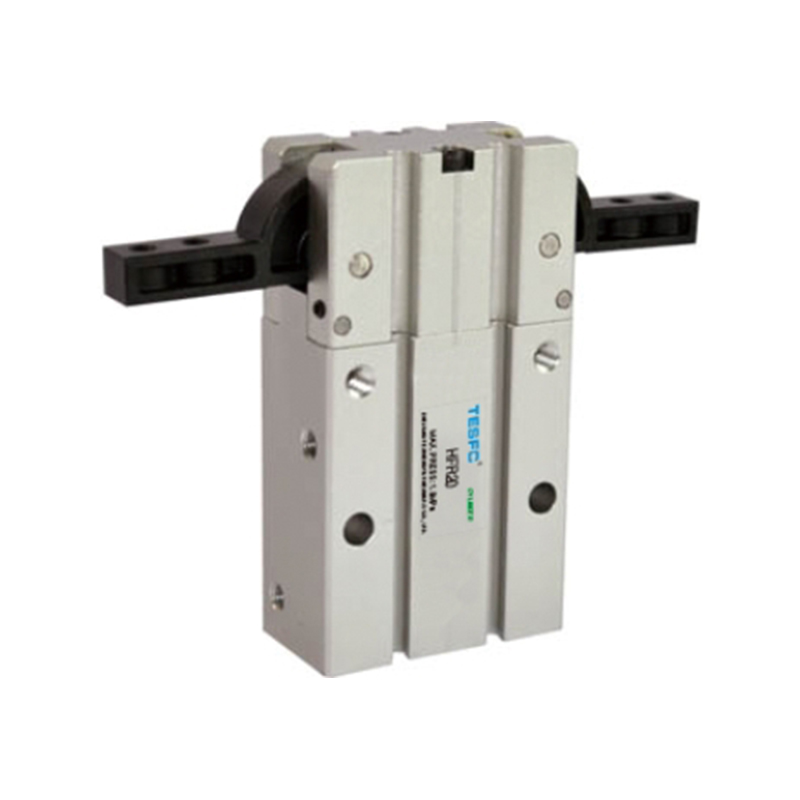
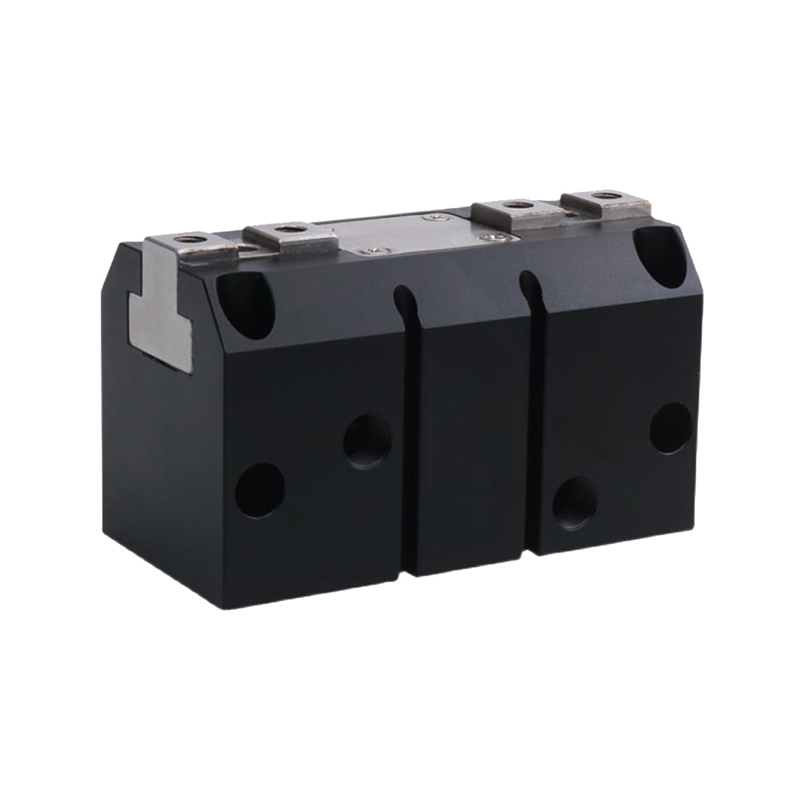
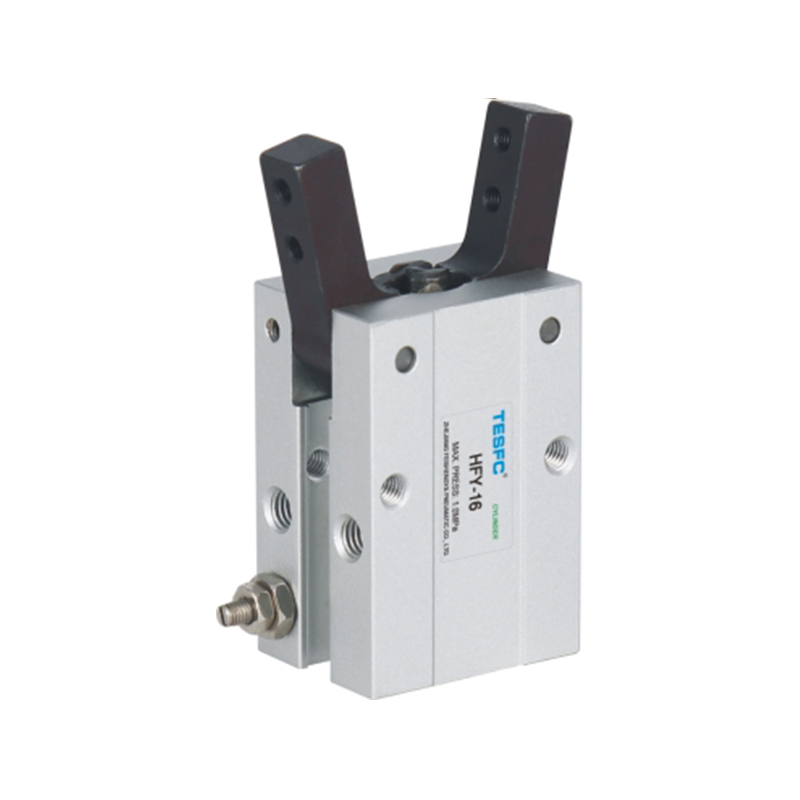
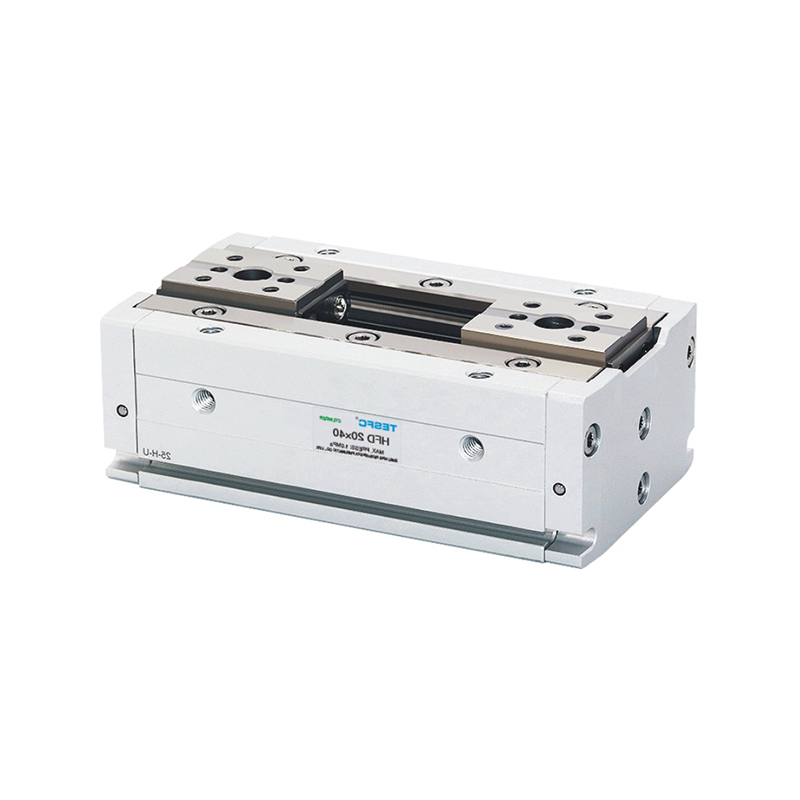
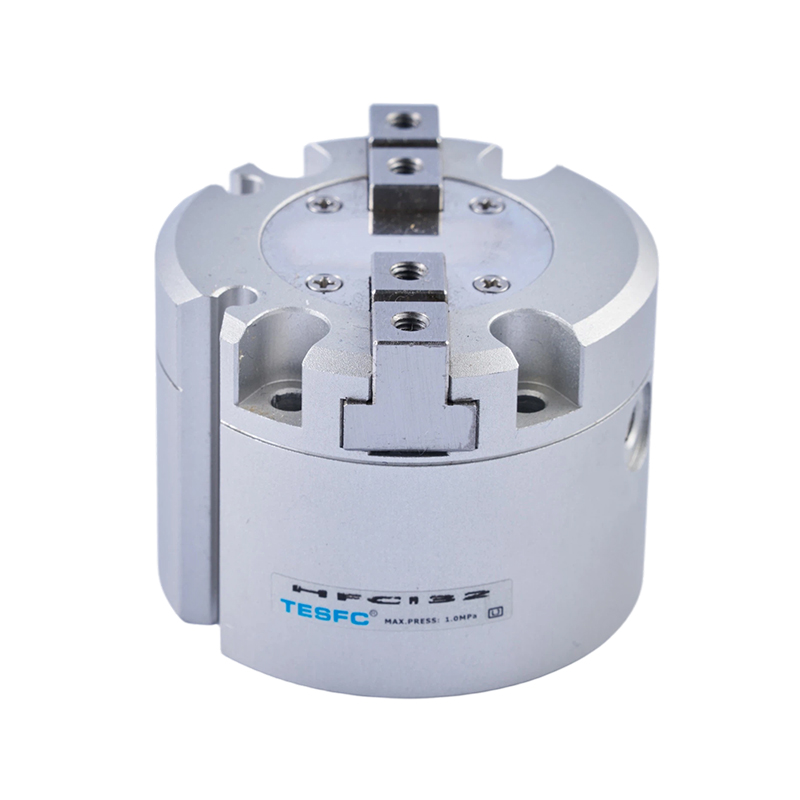
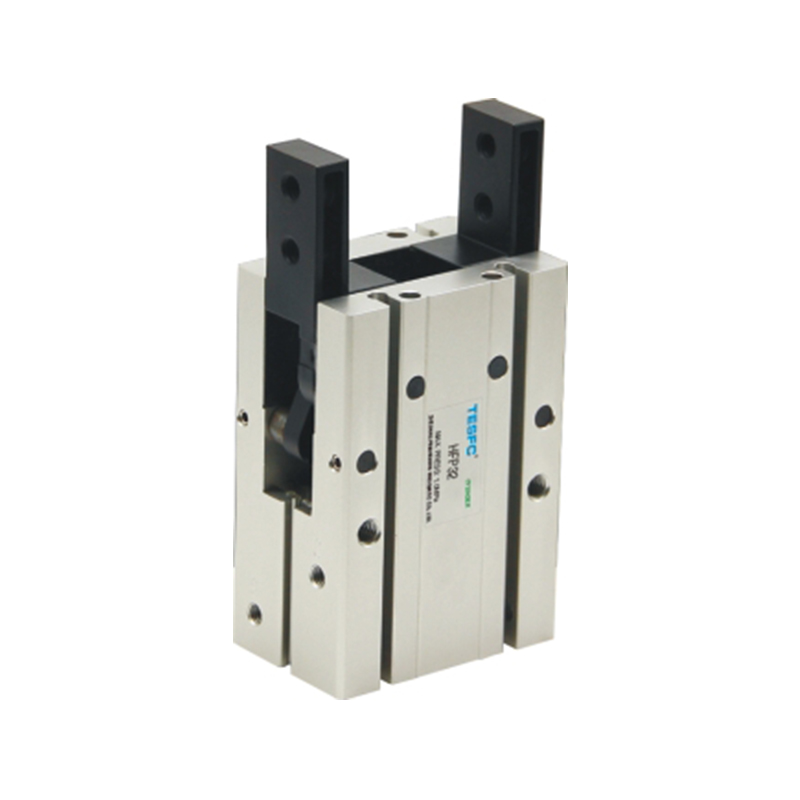
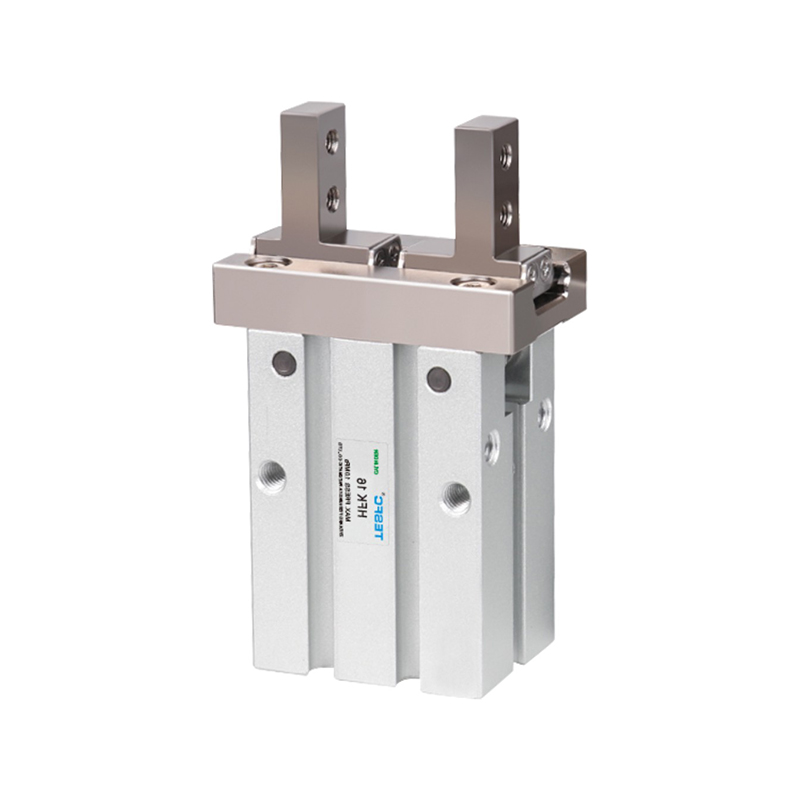
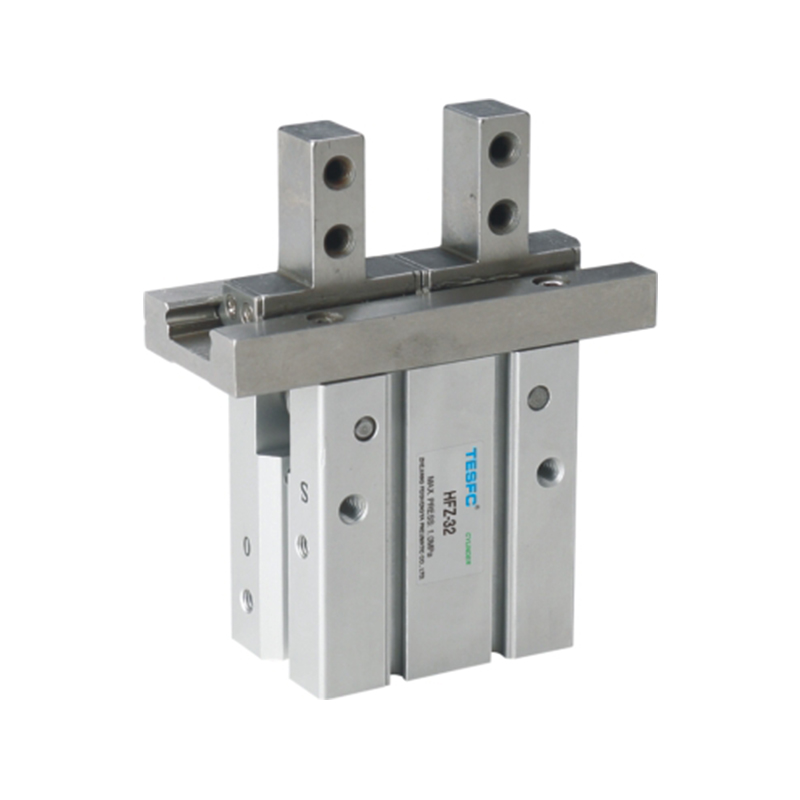
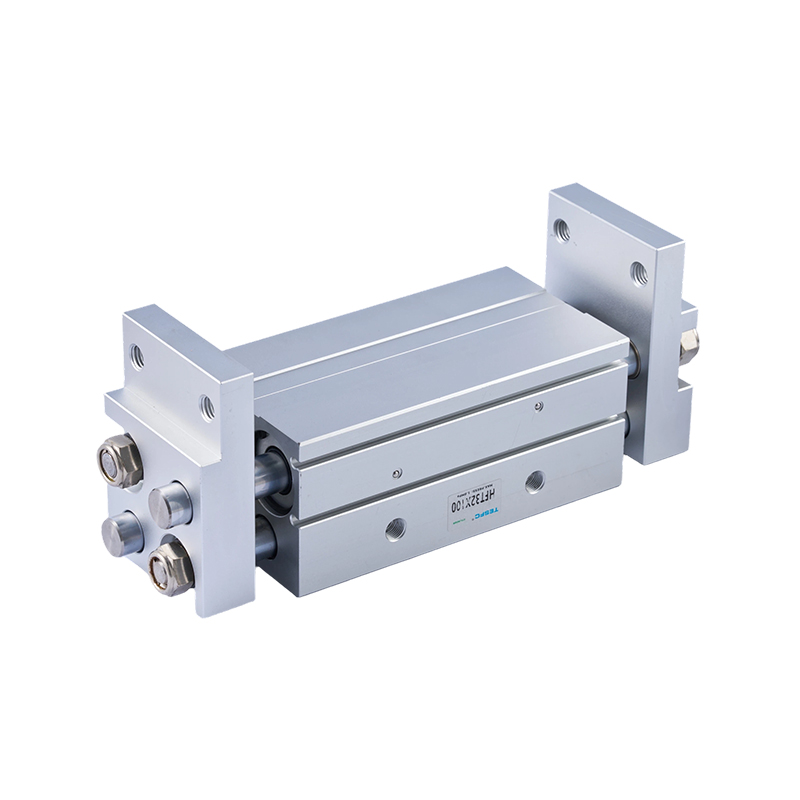
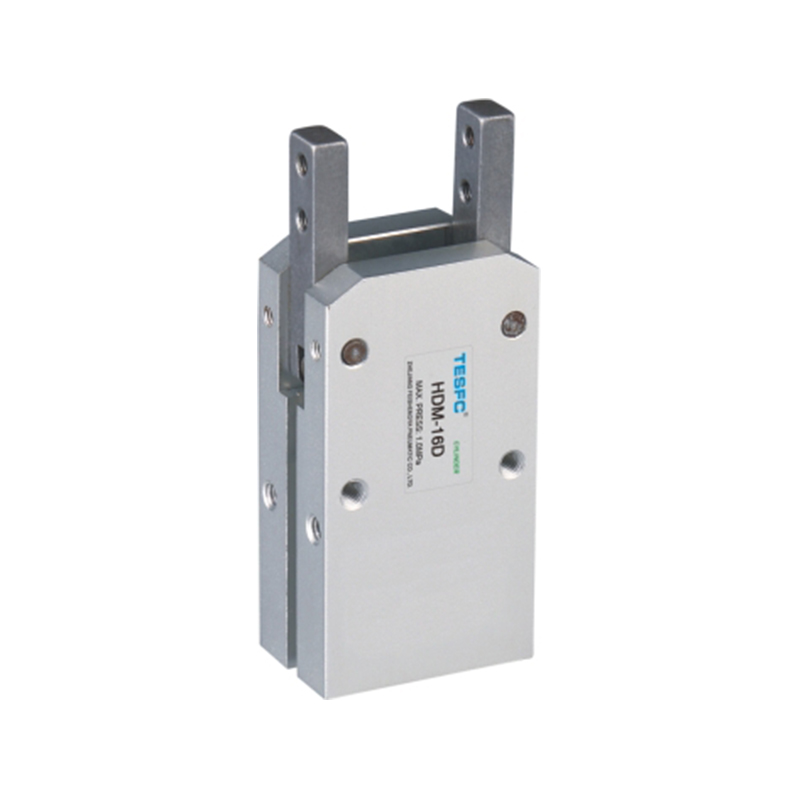
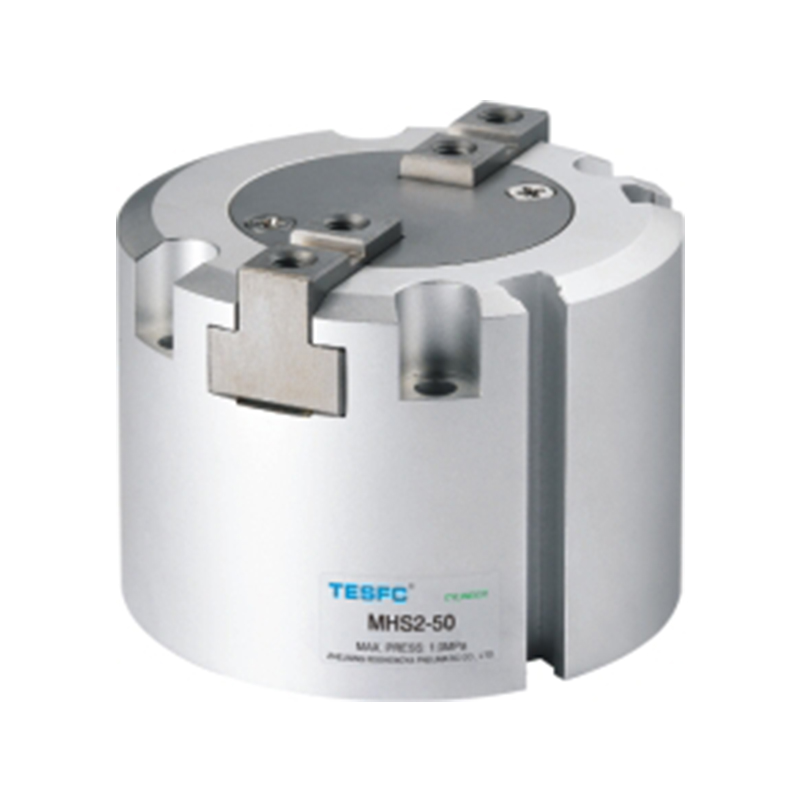
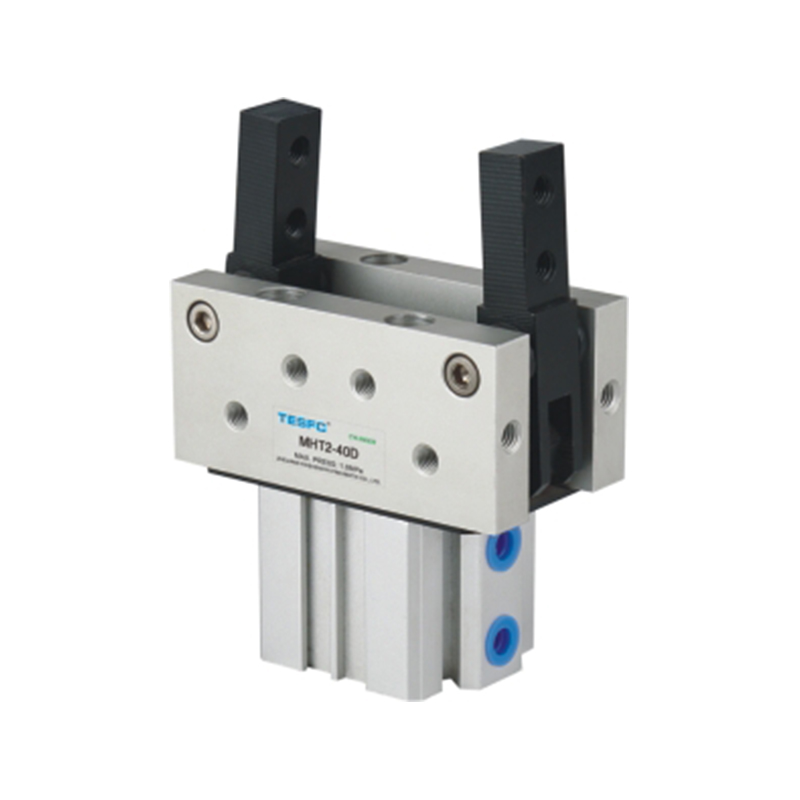
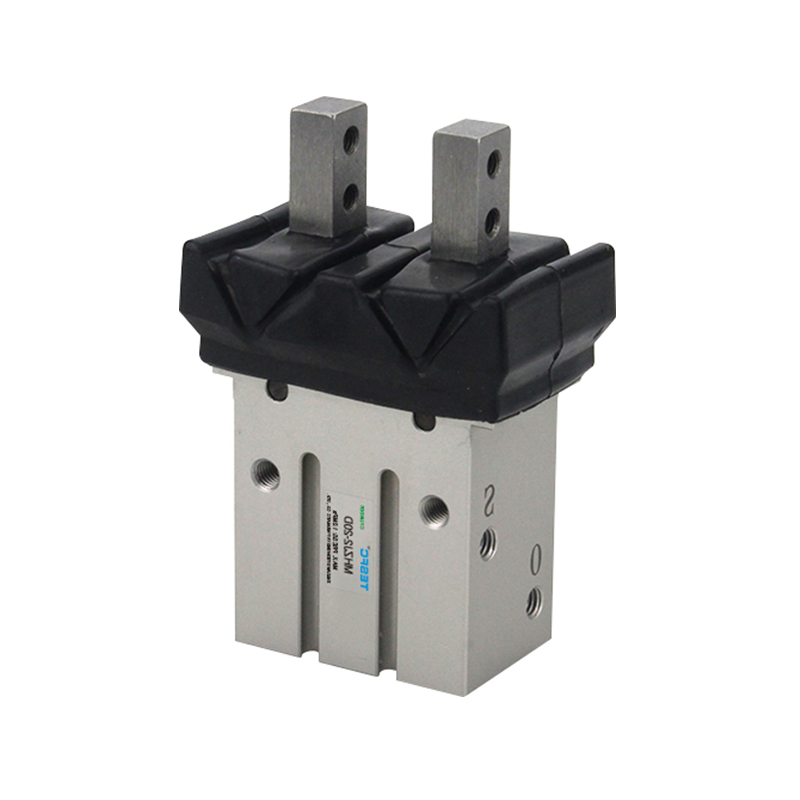
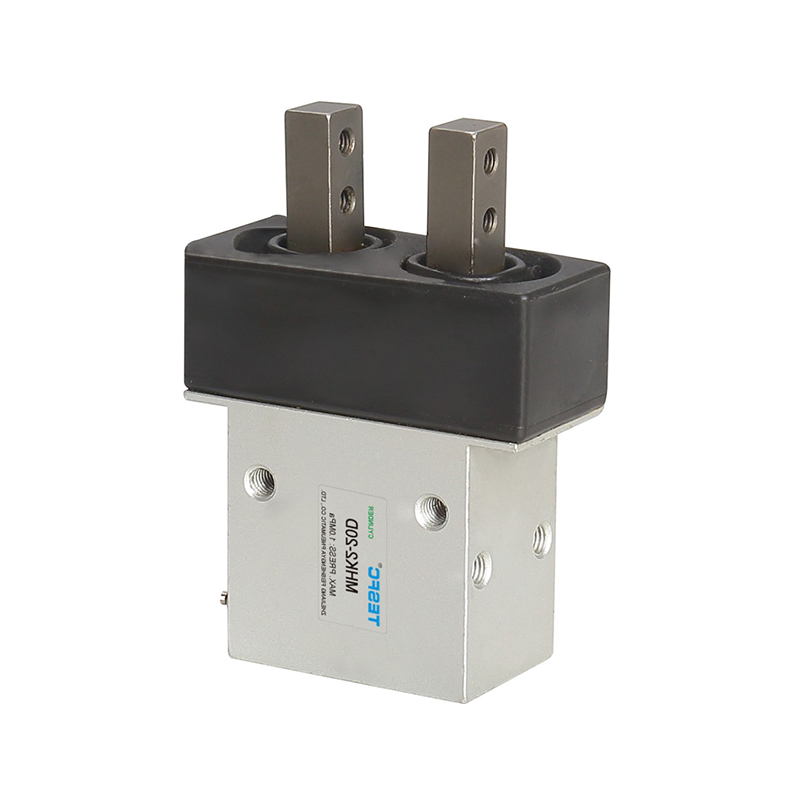
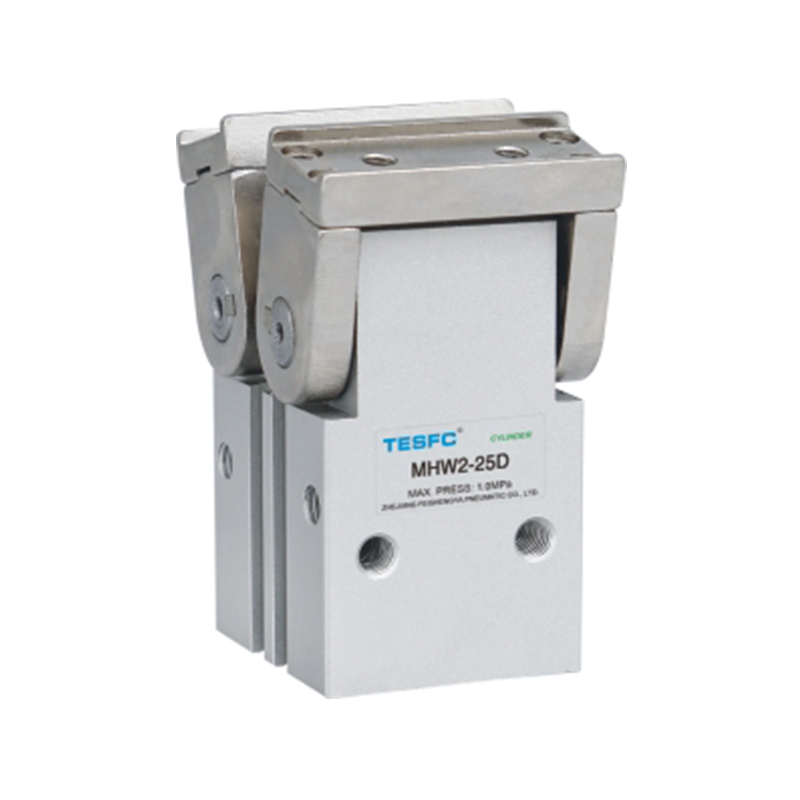
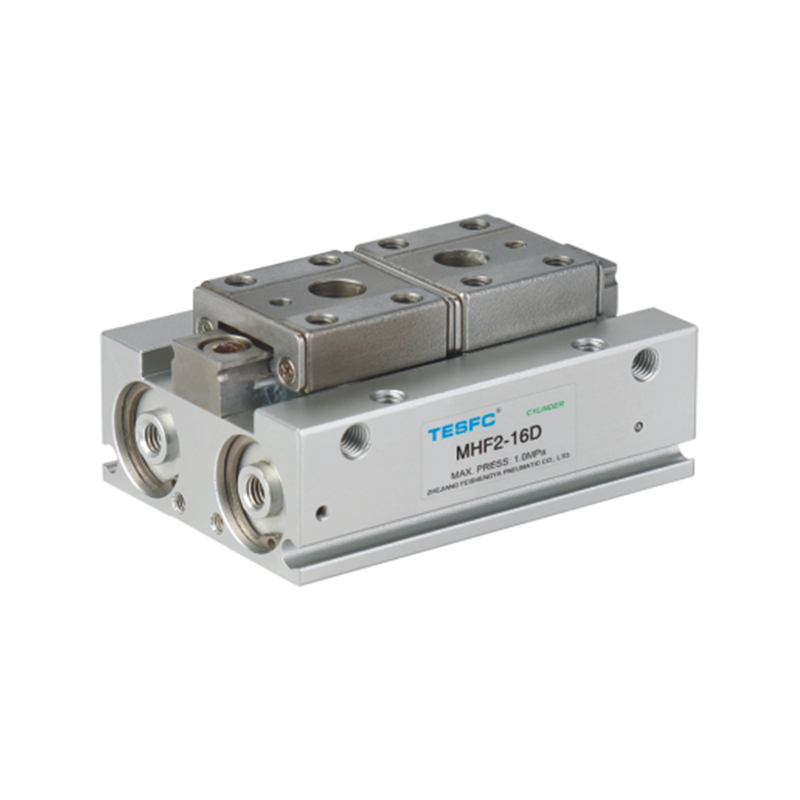
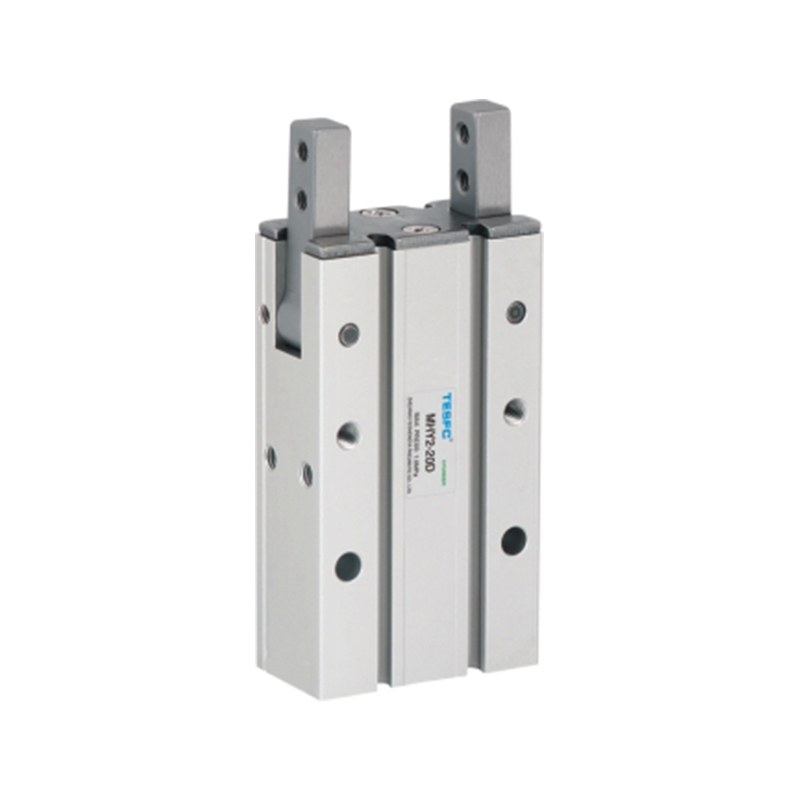
Automated equipment relies on Gripper Air Cylinders whenever a task calls for gripping, clamping, holding, positioning, or transferring workpieces — these pneumatic actuators exist precisely for that kind of job. Pneumatic Gripper Cylinders serves as another name you'll come across for the same category, one that takes compressed air and converts it into controlled jaw movement capable of securing parts across a range of shapes and materials. Parallel grippers, angular grippers, three-jaw grippers, and internal or external gripping structures round out the common types worth knowing here. Robotic tooling, assembly systems, packaging machinery, electronics manufacturing, automotive component production, material handling equipment, and light industrial automation all lean on these cylinders on a regular basis. Gripping force, jaw stroke, workpiece weight, finger design, cycle speed, mounting method, sensor feedback, and operating environment — each factor plays a role worth weighing before settling on the right selection. Feishengya brings practical structure design, stable machining capability, and flexible specification support into its Gripper Air Cylinder solutions, built with reliable pneumatic handling and clamping applications firmly in mind.
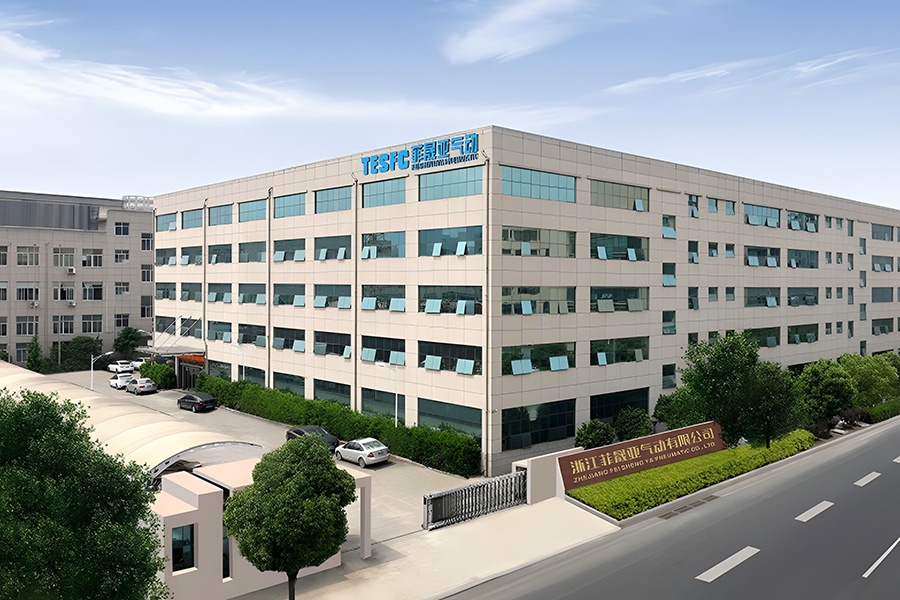
Zhejiang Feishengya Pneumatic Components Co., Ltd.
Zhejiang Feishengya Pneumatic Components Co., Ltd. is a pneumatic component enterprise that integrates scientific R&D, production and processing, operation and sales, technical services, import and export trade, and personnel training. It specializes in the production, processing, and sales of pneumatic components such as cylinders, solenoid valves, and Pneumatic Gripper Cylinder.
The company has always adhered to serving society with practical quality, high-quality service, comprehensive technology, and reasonable prices, and is committed to striving to create a "Chinese famous brand".
Our company has nearly a hundred advanced processing pieces of equipment. There are currently 120 employees, including over 20 professional and technical personnel, with an annual production capacity of 500,000 pieces (sets) of various components. We have advanced production processes, complete testing methods and equipment, and a high-quality workforce. We organize production and sales with a practical and innovative concept, and have passed ISO9001 international quality management system certification. We use CAD, SOLIDWORKS, and ERP for engineering design and enterprise management. Continuously increasing product development efforts and investment, continuously upgrading and improving equipment and products to meet customer needs with higher cost-effectiveness, and providing high-performance products and convenient and fast services to new and old users anytime, anywhere.
Pneumatic Gripper manufacturer - Feishengya Pneumatic adheres to the principles of "strict production, scientific management, continuous improvement, and stable quality with a rigorous and down-to-earth work style, a pioneering spirit of self-improvement, an honest and down-to-earth management style, and first-class production technology. Relying on the increasingly mature market system and flexible industry mechanisms, we adhere to the development path of technology oriented, outward oriented, and comprehensive, and provide more and better quality services for various industries.
All employees of Zhejiang Feishengya Pneumatic Components Co., Ltd. sincerely welcome friends from all industries to visit, exchange ideas and cooperate with us.
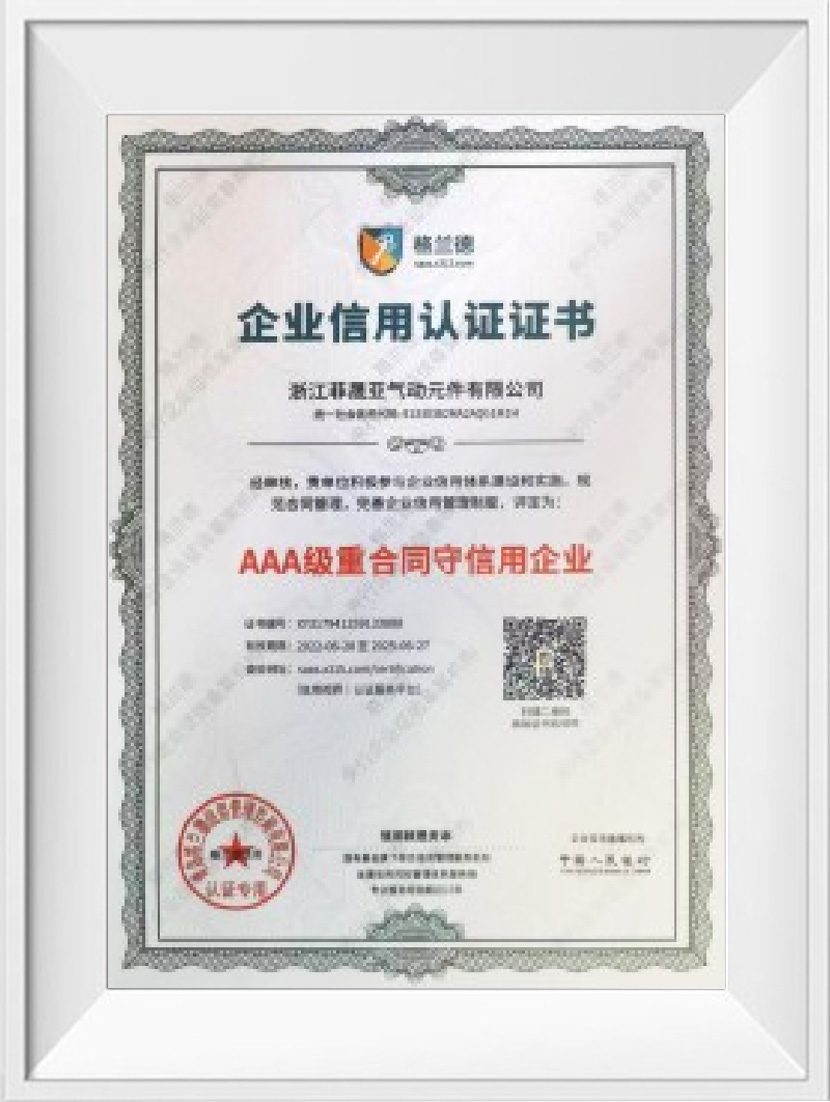
Certificate
Certificate-cs
Certificate-cs
Certificate-cs
Our LATEST NEWS

2026-10-02

2026-09-25
2026-09-18
Grip, hold, clamp, release, position — automated equipment demands all five of these actions from time to time, and a Gripper Air Cylinder, sometimes referred to as a Pneumatic Gripper Cylinder, exists purely to deliver on them. Inside this actuator, compressed air becomes mechanical gripping motion, arming machines with controlled force and repeatable movement for the components passing through their hands, so to speak.
Feishengya provides Gripper Air Cylinder and Pneumatic Gripper Cylinder solutions for overseas sourcing teams, automation equipment manufacturers, mechanical engineers, pneumatic component distributors, and OEM/ODM project teams, helping them improve handling stability, reduce manual gripping processes, and simplify pneumatic actuator selection. Unlike suppliers that only provide general air cylinder models, Feishengya supports practical application matching through pneumatic component experience, stable machining capability, and flexible specification options.
Objects need holding or moving throughout automated production runs, and a Gripper Air Cylinder — a pneumatic gripping actuator — steps in to manage precisely that. Rather than sticking to straight-line pushing or pulling motion the way ordinary cylinders do, this one drives gripper jaws or clamping fingers that open and close around a workpiece.
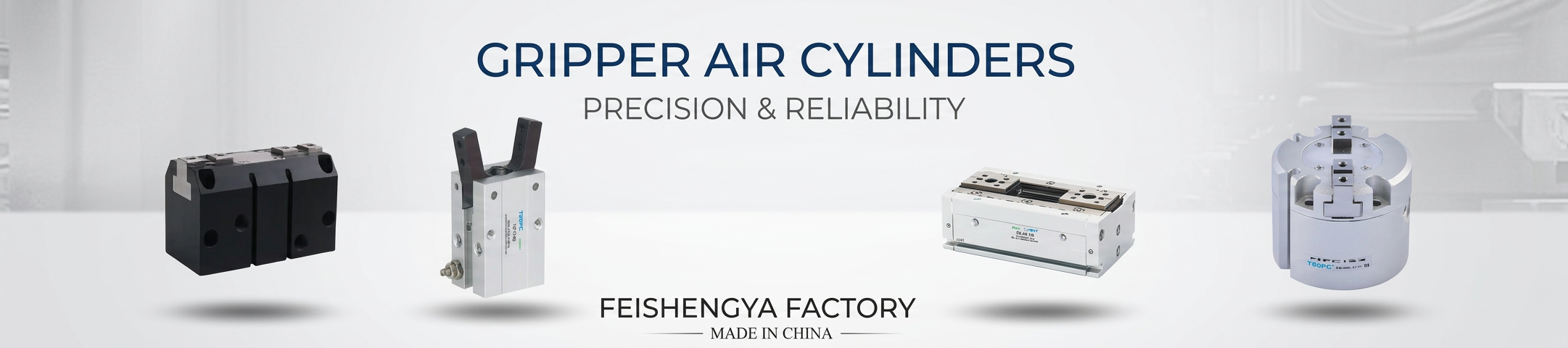
Machines picking parts, holding materials, clamping components mid-process, or transferring products from one station to the next tend to rely on this cylinder category most. The gripping motion itself can take a parallel, angular, or radial form, or get customized entirely through the attached fingers, all depending on the structure chosen for the job.
A typical Pneumatic Gripper Cylinder includes:
The size, weight, surface condition, and holding method a workpiece requires generally shape how the gripper fingers end up designed.
Jaw motion, gripping direction, actuation structure, and application requirement — these four factors sort Gripper Air Cylinders into distinct categories, and getting familiar with them helps engineers land on the right pneumatic gripper for whatever handling task sits in front of them.
Two jaws travel in a straight, parallel direction when a parallel gripper does its work. Picking, placing, holding, and positioning parts with regular shapes falls squarely within its wheelhouse.
Objects that need holding from two opposite sides call for a parallel gripper. Jaw stroke, gripping force, finger length, and workpiece surface all deserve a close look during selection.
Jaws pivot open and closed around a fixed point in an angular gripper. Extra clearance during opening, or a workpiece shape that demands angled clamping, points toward this structure as the better fit.
Opening angle, finger design, gripping point, and available installation space all warrant attention with angular grippers.
Three synchronized jaws work together in this gripper type, holding cylindrical or round parts steady. Centering and gripping round components plays to its strengths.
Keeping the workpiece centered during gripping makes three-jaw grippers the practical choice. Gripping diameter range and centering accuracy deserve a careful check from engineers weighing this option.
Gripper Air Cylinders can grip objects from the outside or expand inside a hole or cavity to hold the workpiece.
| Gripping Method | How It Works | Typical Application |
|---|---|---|
| External gripping | Jaws close around the outside of the workpiece | Boxes, blocks, components, molded parts |
| Internal gripping | Jaws expand inside a hole or inner surface | Tubes, rings, hollow parts, machined components |
The correct gripping method depends on workpiece geometry, surface condition, and process requirements.
Gripping force, jaw stroke, workpiece shape, weight, friction, cycle speed, and mounting method all factor into choosing a suitable Pneumatic Gripper Cylinder. Getting this selection right lifts handling reliability and cuts down on workpiece damage.
The gripper needs enough force to hold the workpiece steady through acceleration, transfer, stopping, and any orientation change it goes through. That said, too much force can crush or mark soft or delicate parts.
Important factors include:
Soft pads or shaped fingers often come into play for delicate components, spreading contact pressure out rather than concentrating it.
How far a gripper opens and closes comes down to jaw stroke, and this figure should track with the workpiece size and clearance the job demands.
Selection points include:
A stroke that's too short blocks proper gripping altogether, while one that runs too long ends up dragging down cycle efficiency.
Custom fingers or pads typically make contact with the workpiece on a gripper cylinder, and how they're designed directly shapes gripping stability.
Common considerations:
Fingers running long can pile extra moment load onto the gripper, so jaw load ratings deserve a check before finalizing anything.
Confirmation that a gripper sits open or closed is something automated equipment frequently needs, and sensors deliver that feedback straight to the control system.
Position feedback supports:
Cable routing needs to steer clear of moving parts and high-interference zones whenever sensors get added into the mix.
Material selection, sealing design, and maintenance needs all trace back to the working environment a gripper operates in.
Consider:
Special environments call for confirming material and sealing compatibility before putting anything into use.
Holding, moving, aligning, or clamping parts with repeatable pneumatic action — this describes exactly what the Gripper Air Cylinder handles across countless automation systems. Light-duty handling tasks sit comfortably within its range, and so do far more demanding industrial motion jobs.
Components get picked up, parts stay put, and positioning gets a helping hand ahead of pressing, fastening, or inspection steps — gripper cylinders manage all of this throughout assembly systems.
Common applications include:
A compact footprint, quick response, and control that doesn't overcomplicate things explain why pneumatic grippers show up so often as robot end effectors.
Common applications include:
Robot payload, cycle speed, finger length, and workpiece shape should all factor into picking the right gripper for the job.
Products, cartons, bags, trays, and containers need gripping, clamping, or holding on a near-constant basis across packaging systems.
Common applications include:
Fragile or easily marked surfaces often call for soft pads or customized fingers to keep things intact.
Small size, light weight, and sensitivity to pressure define many electronic components, and a Pneumatic Gripper Cylinder handles them with control once matched to the right finger design.
Common applications include:
Careful control over gripping force and contact surface design becomes essential once delicate components enter the equation.
Metal parts, plastic components, and assembled modules move through gripper cylinders constantly on automotive and machinery production lines.
Common applications include:
Durability, gripping force, jaw rigidity, and cycle frequency all warrant a closer look for applications like these.
Material compatibility and hygiene requirements set the terms for gripper cylinders operating in food-related and light industrial equipment.
Common applications include:
Surface finish, cleaning method, and material selection carry particular importance in settings like these.
Air cylinders, solenoid valves, and related pneumatic products all fall within what Feishengya manufactures for industrial automation systems, and the Gripper Air Cylinder category speaks directly to practical gripping, clamping, and handling tasks across automated equipment.
Limited equipment space, robotic tooling, and multi-station automation systems all accommodate this gripper thanks to its compact design. Machine designers gain room to arrange multiple gripping points within tight layouts as a result.
Compressed air drives the jaws open and closed with stable movement inside this cylinder. Pairing it with suitable valves and pressure regulation lets gripping force adjust to match whatever the workpiece calls for.
Swapping out fingers, pads, or contact surfaces opens the door to handling blocks, cylinders, plates, molded parts, cartons, electronic parts, and other components regardless of shape.
Precision machining, sealing control, and guide structure design work together to support repeatable jaw movement. Equipment running continuous pick, hold, clamp, and release cycles depends heavily on this kind of reliability.
Different gripper structures, gripping strokes, mounting methods, and sensor-compatible options all fall within what Feishengya supports. Matching the Gripper Air Cylinder to various automation layouts and handling conditions becomes far more manageable as a result.
Zhejiang Feishengya Pneumatic Components Co., Ltd. brings product development, production processing, technical service, import and export trade, and personnel training together under one roof. Grounded in genuine experience with pneumatic cylinders, solenoid valves, and related components, the company keeps production stable, inspection thorough, and pneumatic product development focused on real-world application.

Phone: +86-15957736756
E-mail: [email protected]
Add: No.7, Yongxing Second Road, Chengdong Industrial Functional Zone, Chengdong Subdistrict, Yueqing City, Zhejiang Province, P.R.China
Copyright © Zhejiang Feishengya Pneumatic Components Co., Ltd. All Rights Reserved.
 Pneumatic Gripper Cylinder Factory
 English
 русский
 عربى
عربى Español