/

/

Search
Category
Hot Products
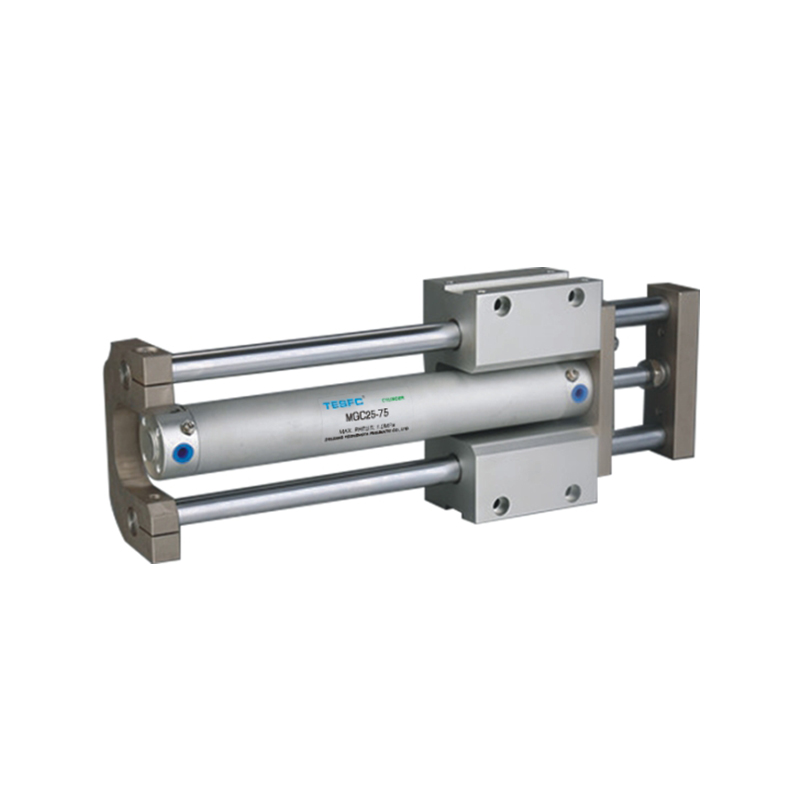
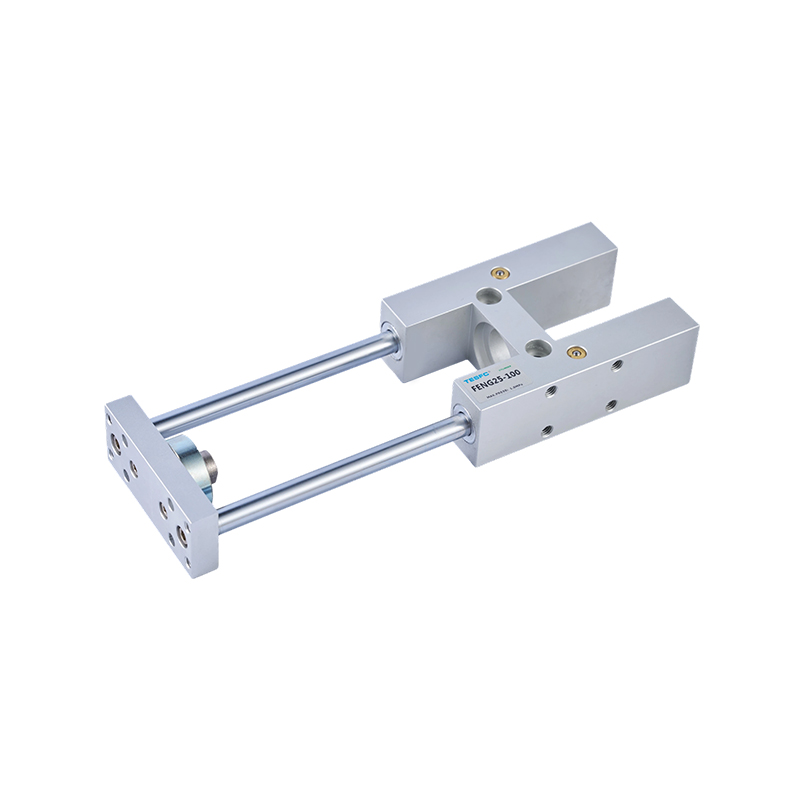
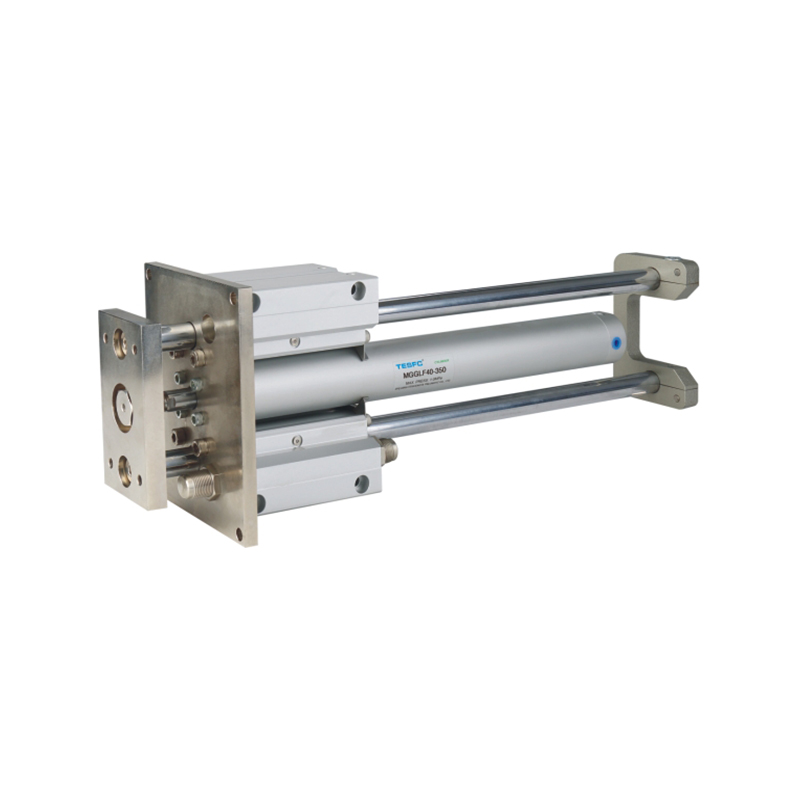
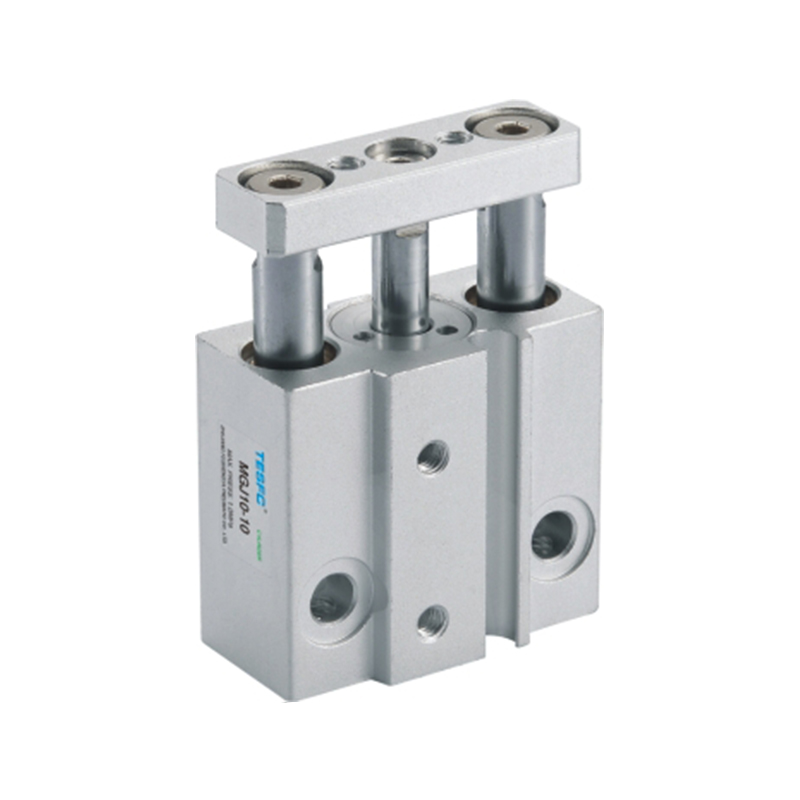
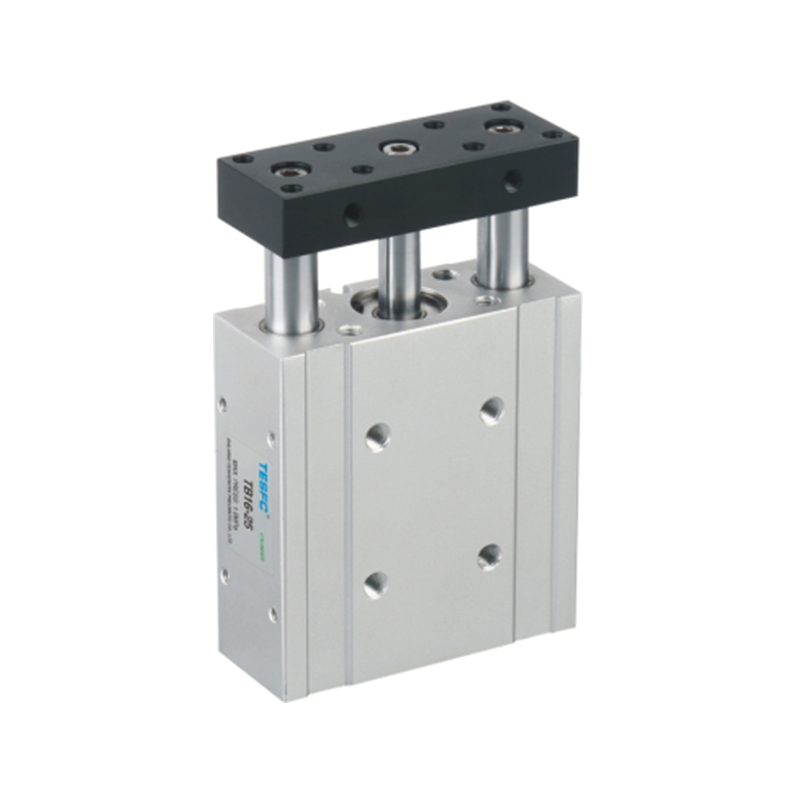
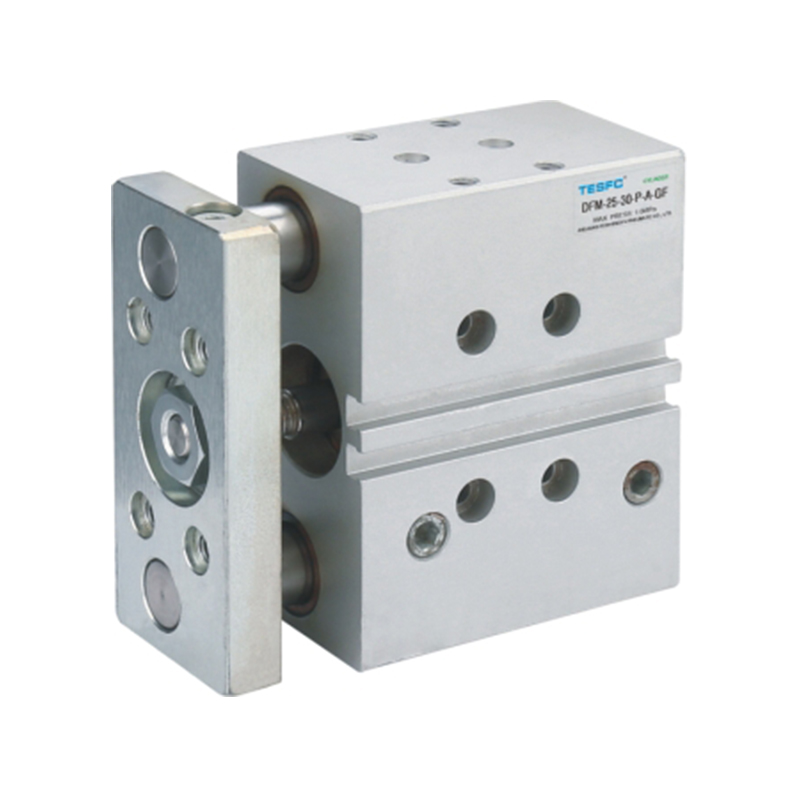
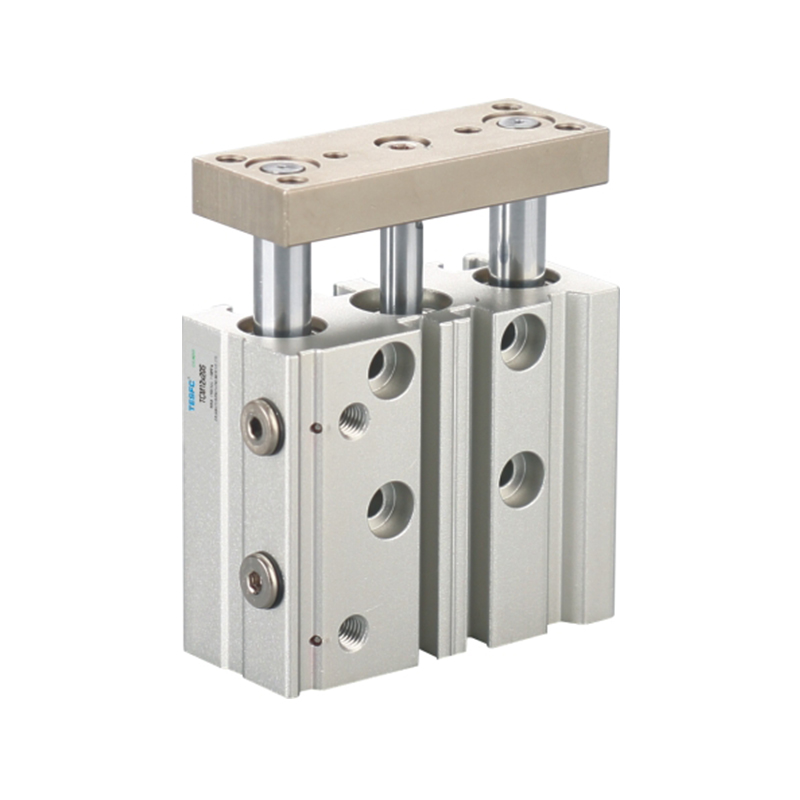
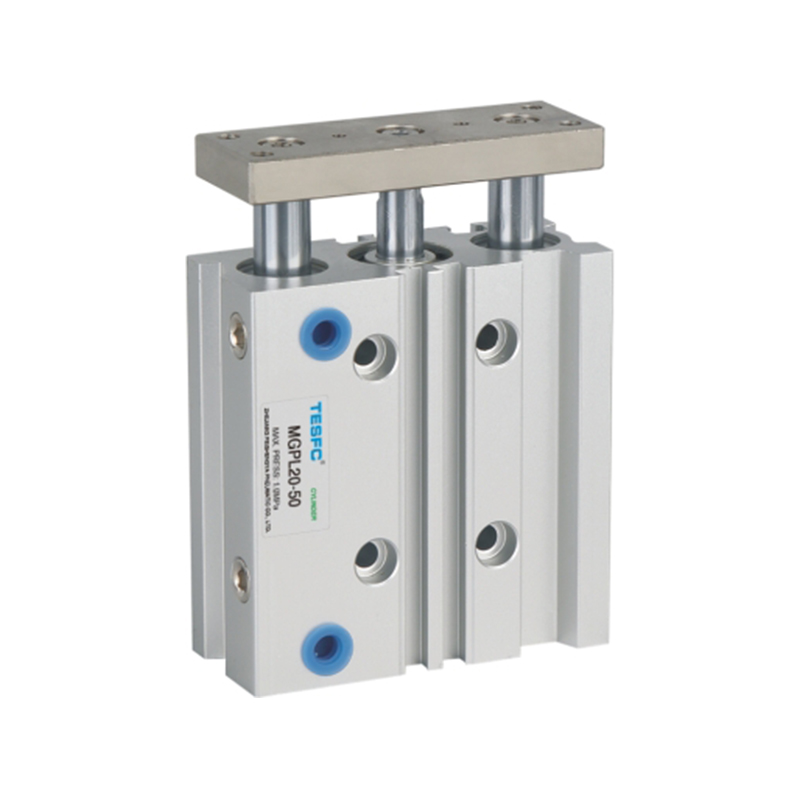
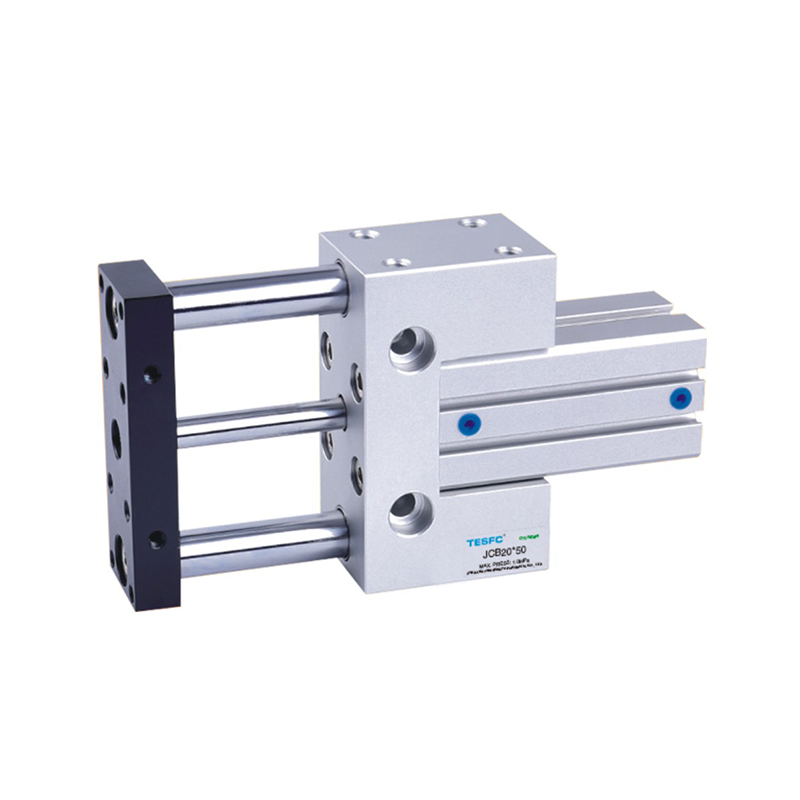
Stable guided linear motion in automation equipment is what Guide Rod Air Cylinders are built to deliver. Integrated guide rods and bearing support work together with the air cylinder itself, cutting down on rotation, lateral deflection, and uneven movement as operation unfolds. Pushing, lifting, clamping, pressing, stopping, positioning, and transferring workpieces — this structure handles all of it well.
Packaging machinery, assembly systems, conveyor modules, electronics manufacturing, automotive component production, inspection fixtures, and material handling equipment make up the typical territory where Guide Rod Pneumatic Cylinders show up most. Getting the selection right calls for weighing bore size, stroke length, working pressure, load direction, moment load, bearing type, cushioning, mounting method, and sensor requirements together, rather than in isolation.
Feishengya brings Guide Rod Cylinder solutions to the table built on practical structure design, dependable machining capability, and specification support flexible enough to adapt — all aimed at reliable pneumatic motion control across industrial automation systems.
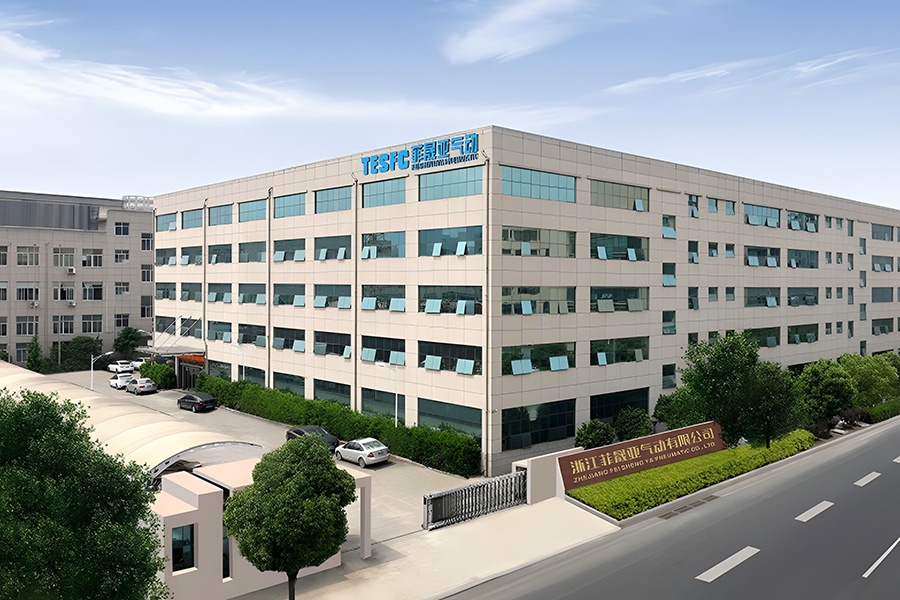
Zhejiang Feishengya Pneumatic Components Co., Ltd.
Zhejiang Feishengya Pneumatic Components Co., Ltd. is a pneumatic component enterprise that integrates scientific R&D, production and processing, operation and sales, technical services, import and export trade, and personnel training. It specializes in the production, processing, and sales of pneumatic components such as cylinders, solenoid valves, and Guide Rod Pneumatic Cylinder.
The company has always adhered to serving society with practical quality, high-quality service, comprehensive technology, and reasonable prices, and is committed to striving to create a "Chinese famous brand".
Our company has nearly a hundred advanced processing pieces of equipment. There are currently 120 employees, including over 20 professional and technical personnel, with an annual production capacity of 500,000 pieces (sets) of various components. We have advanced production processes, complete testing methods and equipment, and a high-quality workforce. We organize production and sales with a practical and innovative concept, and have passed ISO9001 international quality management system certification. We use CAD, SOLIDWORKS, and ERP for engineering design and enterprise management. Continuously increasing product development efforts and investment, continuously upgrading and improving equipment and products to meet customer needs with higher cost-effectiveness, and providing high-performance products and convenient and fast services to new and old users anytime, anywhere.
Guide Rod Air Cylinder manufacturer - Feishengya Pneumatic adheres to the principles of "strict production, scientific management, continuous improvement, and stable quality with a rigorous and down-to-earth work style, a pioneering spirit of self-improvement, an honest and down-to-earth management style, and first-class production technology. Relying on the increasingly mature market system and flexible industry mechanisms, we adhere to the development path of technology oriented, outward oriented, and comprehensive, and provide more and better quality services for various industries.
All employees of Zhejiang Feishengya Pneumatic Components Co., Ltd. sincerely welcome friends from all industries to visit, exchange ideas and cooperate with us.
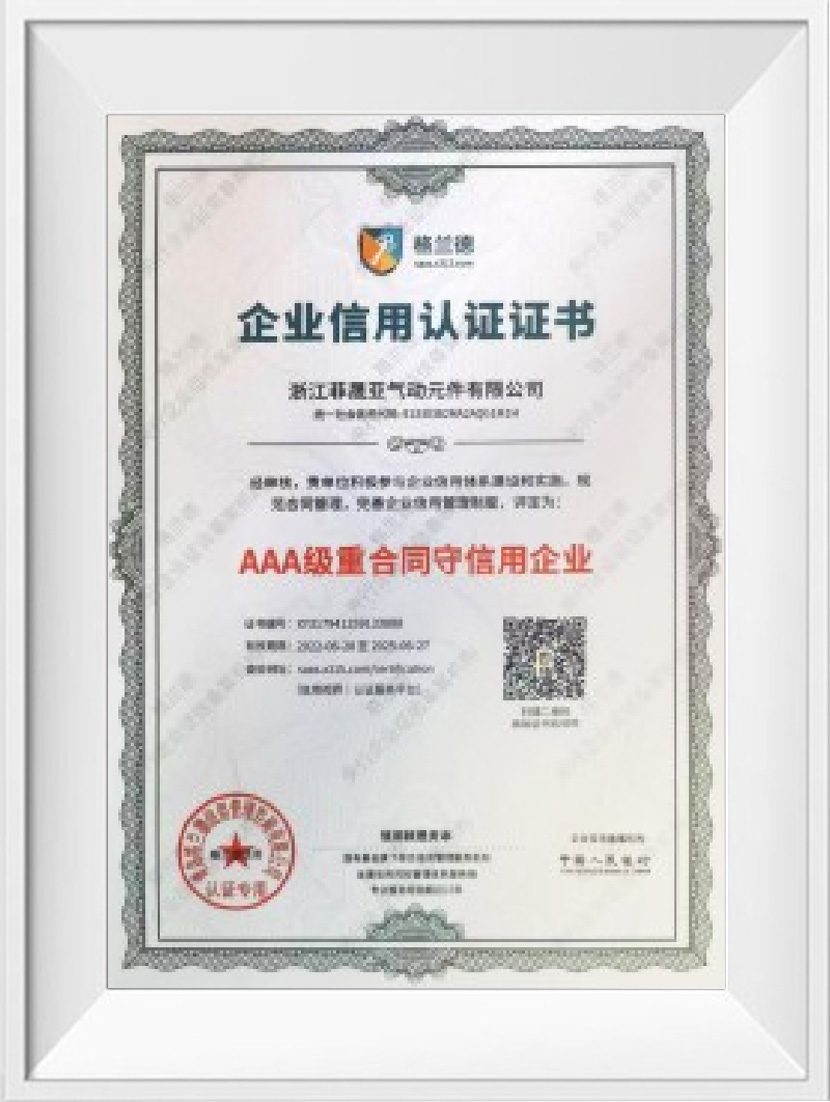
Certificate
Certificate-cs
Certificate-cs
Certificate-cs
Our LATEST NEWS

2026-10-02

2026-09-25
2026-09-18
Linear motion gains extra guidance, stronger anti-rotation performance, and better resistance to side load through the Guide Rod Air Cylinder — a component that also goes by Guide Rod Pneumatic Cylinder or Guide Rod Cylinder depending on where you look. What sets it apart from a standard air cylinder comes down to built-in guide rods and bearing structures, which keep the moving plate or piston rod aligned all the way through extension and retraction.
Feishengya's Guide Rod Air Cylinder and Guide Rod Pneumatic Cylinder solutions find their way into the hands of overseas sourcing teams, automation equipment manufacturers, mechanical engineers, pneumatic component distributors, and OEM/ODM project teams alike — each drawing on these products to trim down motion deflection, strengthen positioning stability, and cut through the complexity of actuator selection for compact automation systems. Plenty of suppliers stop at general pneumatic cylinders, but Feishengya carries things further, matching applications through structure design grounded in practical use, machining capability that stays consistent, and specification options built to flex with whatever a project demands.
Guide rods numbering one or more, moving right alongside the piston rod or output plate, form the backbone of what makes a Guide Rod Air Cylinder work the way it does. Passing through bearings or bushings as they travel, these rods add a layer of support that standard pneumatic cylinders simply don't have built in.
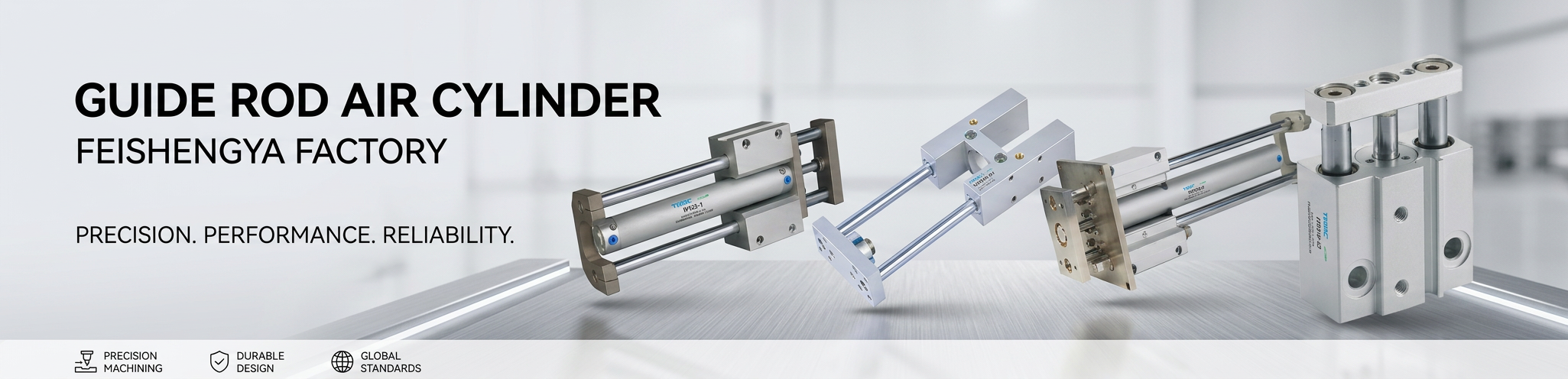
Rotation gets held in check, and lateral deviation drops off considerably, once this structure enters the picture. Straight-line travel under load turns dependable rather than hit-or-miss — a real advantage whether the task involves pushing a fixture, pressing down on a component, or bringing a moving part to a stop.
A typical Guide Rod Cylinder includes:
Alignment holds firm through this design, even in situations where the load falls short of perfectly centered.
Functioning as a guided linear actuator within a pneumatic system, the Guide Rod Air Cylinder takes in compressed air controlled by valves and turns it into straight-line motion, with the guide rods lending mechanical support throughout the process.
The operating process is straightforward:
Precise, repeatable movement in automated equipment becomes achievable once solenoid valves, air preparation units, fittings, flow controllers, silencers, and sensors come together with the cylinder as a coordinated system.
Axial force is what standard cylinders are mainly built to deliver. The moment lateral force, eccentric load, or rotation enters the picture, extra guide mechanisms typically become necessary. A Guide Rod Pneumatic Cylinder folds that guidance directly into the actuator itself, letting equipment designers cut back on additional guide parts wherever the application allows for it.
Pneumatic systems gain the following through this approach:
Guide Rod Cylinders can be selected according to guide structure, bearing type, actuation method, mounting layout, and sensing requirements. Correct classification helps match the cylinder to actual load and accuracy needs.
| Type | Structure Feature | Typical Use |
|---|---|---|
| Single guide rod type | One guide rod supports movement direction | Light-load positioning and compact mechanisms |
| Double guide rod type | Two parallel guide rods provide stronger stability | Pressing, lifting, stopping, transferring |
| Slide table type | Cylinder and guide mechanism form a guided table | Precision movement and fixture carrying |
Double guide rod structures are widely used where anti-rotation and load balance are important.
| Bearing Type | Feature | Application Value |
|---|---|---|
| Sliding bearing | Simple structure with good load support | Suitable for medium-speed and general industrial use |
| Ball bushing | Lower friction and smoother movement | Suitable for higher precision and faster cycles |
| Linear guide structure | Strong guiding rigidity | Suitable for applications requiring improved positional stability |
Bearing selection should be based on load size, movement speed, stroke length, and required repeatability.
| Acting Method | Working Principle | Application Area |
|---|---|---|
| Double-acting type | Air pressure drives both extension and retraction | Automated clamping, pushing, lifting, positioning |
| Single-acting type | Air drives one direction, spring or external force returns | Simple motion with limited force requirements |
Double-acting Guide Rod Air Cylinders are commonly used in automation systems that require controlled movement in both directions.
Many Guide Rod Pneumatic Cylinders can be matched with magnetic switches for position feedback. This allows the control system to confirm cylinder status during automated cycles.
Position sensing supports:
Stable linear movement, anti-rotation performance, and reliable load support come together in a Guide Rod Cylinder, making it a fitting choice for equipment built around those demands. Automated production environments turn to this component often, particularly in situations where ordinary cylinders would otherwise call for extra guide mechanisms bolted on.
Fixtures get driven, small parts get pressed, components get clamped, and tooling plates get moved — all territory where the Guide Rod Air Cylinder proves its worth within assembly systems. Repeated motion holds its alignment thanks to the guided structure underneath it all.
Typical applications include:
Compact actuators capable of pushing, lifting, aligning, and stopping products with motion that repeats reliably — that's what packaging equipment tends to demand, and the Guide Rod Pneumatic Cylinder answers that call with steady performance.
Typical applications include:
Side load from moving products puts real demands on cylinders working conveyor lines and handling modules. Built-in support for stopping, lifting, separating, and transferring items is exactly what Guide Rod Cylinders bring to this kind of setting.
Typical applications include:
Controlled motion paired with limited vibration is non-negotiable in electronics manufacturing, and compact actuators need to deliver both. Fixtures, inspection devices, and small-part handling mechanisms all find a good match in Guide Rod Air Cylinders.
Typical applications include:
Carrying fixtures or standing up to repeated lateral loads — that's the kind of work automotive component production and machinery equipment routinely ask of their actuators. Mechanical stability gets a real boost from the guided structure in these settings.
Typical applications include:
Performance and service life for a Guide Rod Cylinder both trace back to correct installation. Guide rods do bring an improvement in stability, that much holds true, but misalignment or a mismatched load connection can still bring on wear, vibration, or uneven movement despite that built-in advantage.
The same direction as the cylinder stroke should guide however the connected load moves. Stress on guide rods and bearings tends to climb once excessive side force or angular force enters the equation.
Recommended practices:
Output force comes down to bore size, while travel distance falls under stroke length. Load weight, friction, pressure, speed, and installation space all deserve a place in this decision.
Key selection factors include:
Air consumption tends to climb with oversizing, while undersizing risks unstable movement or force that falls short of what's needed.
Load and precision characteristics shift from one guide structure to the next. Higher speed or frequent movement calls for extra care when settling on a bearing type.
Selection considerations:
Flow control valves should be the tool of choice for managing cylinder speed. Impact at the stroke end becomes a real risk once the cylinder moves too fast, and that impact tends to bring noise, vibration, and mechanical wear along with it.
Practical suggestions:
Seals, bearings, and internal surfaces all feel the effects of air quality. Operating consistency tends to slip once moisture, dust, or unstable pressure creep into the system.
Recommended pneumatic setup:
A flat and rigid surface should hold the cylinder in place. Guide rod stress and poor repeatability can both trace back to loose mounting or an installation that isn't quite even.
Before operation, check:
Falling squarely within Feishengya's manufacturing scope for industrial automation systems are air cylinders, solenoid valves, and a range of related pneumatic products. Stable guided motion, practical equipment integration, dependable performance under repeated operation — these three priorities sit at the heart of everything shaping the Guide Rod Air Cylinder category.
Movement gains a check against rotation and lateral deviation once the guide rod structure enters the design. Wherever stable positioning and controlled motion carry real weight, this feature earns its place.
Side force and eccentric load run into sturdier resistance with a Guide Rod Pneumatic Cylinder than they would with a standard air cylinder. That added resistance carries through to the piston rod and connected mechanism, sparing both from unnecessary strain.
Guide and actuator functions merge into a single design here, trimming the need for separate guide components wherever the application permits it. Compact equipment layouts and a cleaner mechanical footprint tend to follow from that consolidation.
Precision-machined parts, guide support suited to the task, and sealing that holds up over time — together, these keep the cylinder gliding smoothly through extension and retraction. Repeatable performance across automated cycles emerges as a natural byproduct.
Different bore sizes, stroke lengths, guide structures, mounting forms, and sensor-compatible configurations all sit within what Feishengya offers. That range of options lets the Guide Rod Cylinder line flex to meet varied automation demands.
Product development, production processing, technical service, import and export trade, and personnel training converge under Zhejiang Feishengya Pneumatic Components Co., Ltd. Years spent working with cylinders, solenoid valves, and pneumatic system components lend weight to consistent production, further reinforced by process control, inspection equipment, and ongoing product refinement grounded in genuine application needs.

Phone: +86-15957736756
E-mail: [email protected]
Add: No.7, Yongxing Second Road, Chengdong Industrial Functional Zone, Chengdong Subdistrict, Yueqing City, Zhejiang Province, P.R.China
Copyright © Zhejiang Feishengya Pneumatic Components Co., Ltd. All Rights Reserved.
 Guide Rod Pneumatic Cylinder Supplier
 English
 русский
 عربى
عربى Español