/

/

Search
Category
Hot Products
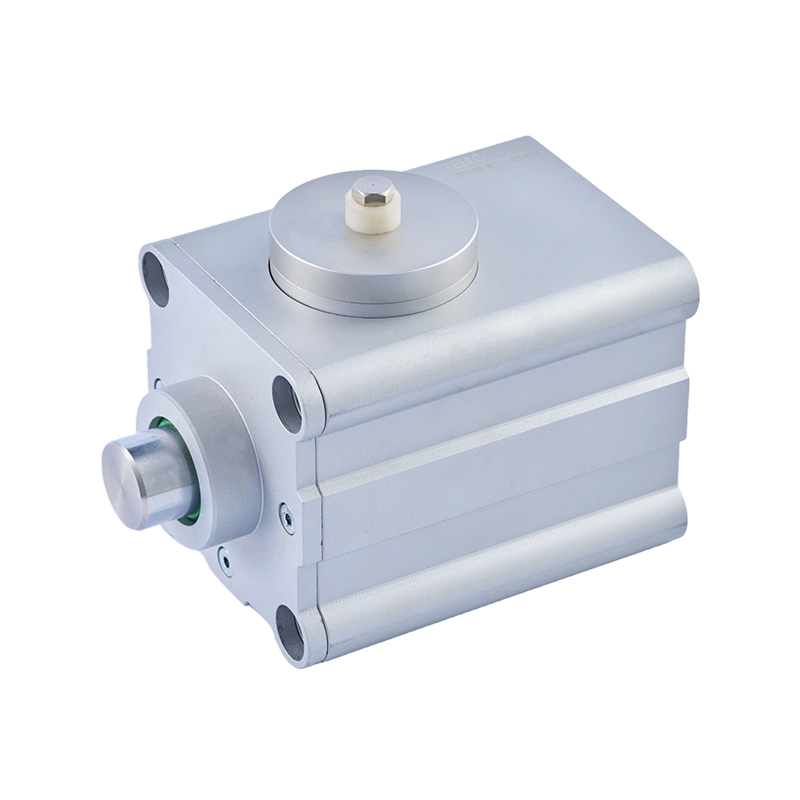
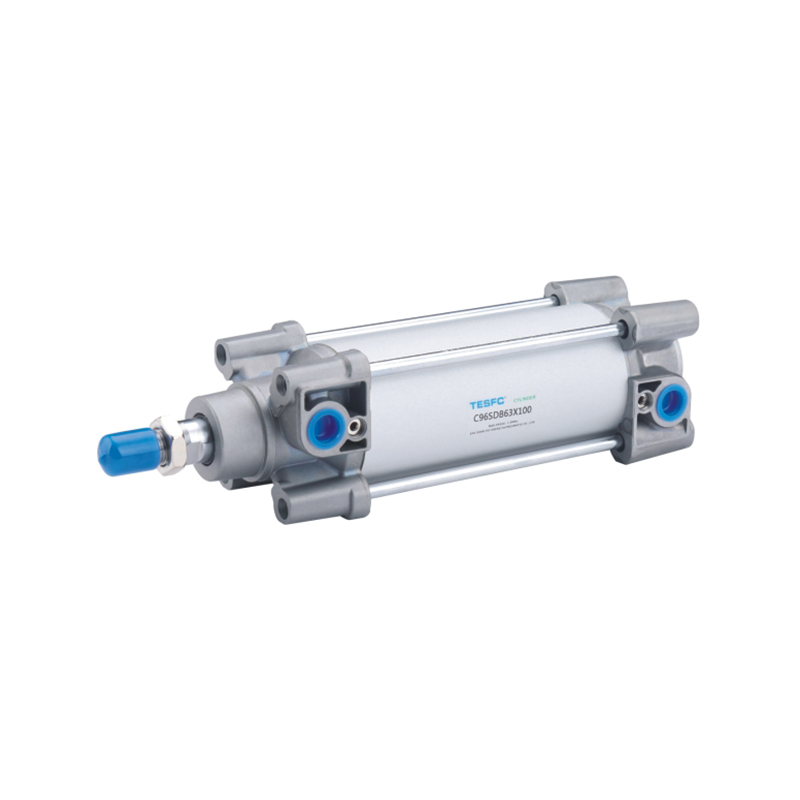
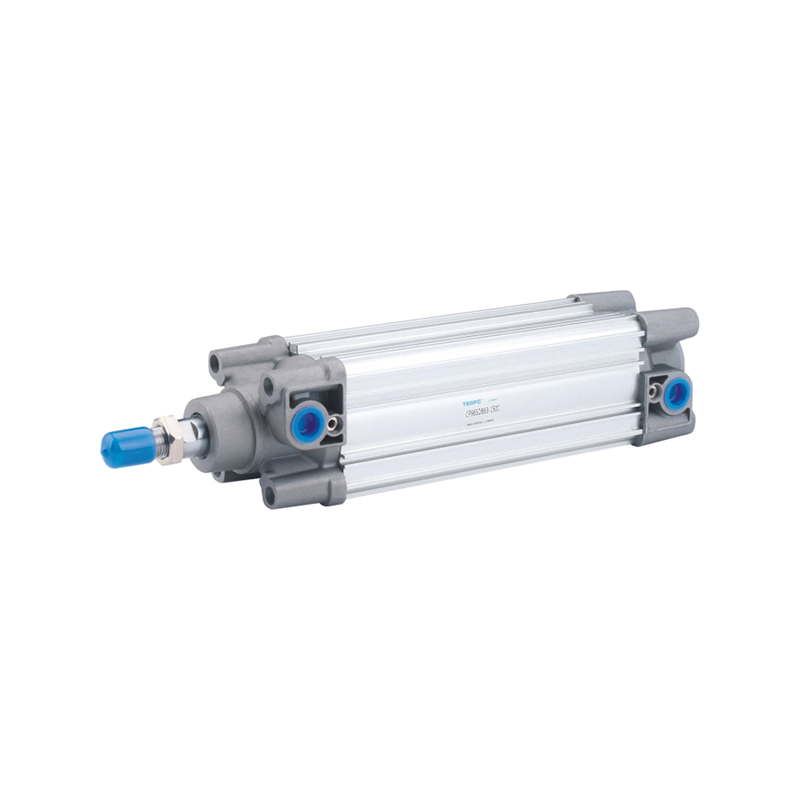
A Thin Air Cylinder — sometimes referred to as a Low Profile Air Cylinder — packs controlled linear motion into a compact pneumatic actuator built specifically for equipment where installation space runs tight. Because its body height stays reduced, integration comes easily across automation modules, packaging machines, assembly fixtures, conveyor systems, testing equipment, and electronics production devices.
Short-stroke tasks make up much of what this cylinder handles well, covering pushing, pressing, clamping, ejecting, stopping, lifting, and positioning work. Getting the selection right means weighing several factors together: bore size, stroke length, working pressure, load direction, mounting method, speed control, air quality, and any sensor requirements that apply.
Feishengya's Thin Air Cylinder line takes shape around practical pneumatic motion control, with real attention paid to compact structure, sealing performance, smooth movement, ease of installation, and compatibility across valves, fittings, tubing, and control systems. Industrial equipment that demands space-saving installation alongside repeatable actuation within compact machine layouts finds a natural fit in these cylinders.

Zhejiang Feishengya Pneumatic Components Co., Ltd.
Zhejiang Feishengya Pneumatic Components Co., Ltd. is a pneumatic component enterprise that integrates scientific R&D, production and processing, operation and sales, technical services, import and export trade, and personnel training. It specializes in the production, processing, and sales of pneumatic components such as cylinders, solenoid valves, and Locking Square Air Cylinder.
The company has always adhered to serving society with practical quality, high-quality service, comprehensive technology, and reasonable prices, and is committed to striving to create a "Chinese famous brand".
Our company has nearly a hundred advanced processing pieces of equipment. There are currently 120 employees, including over 20 professional and technical personnel, with an annual production capacity of 500,000 pieces (sets) of various components. We have advanced production processes, complete testing methods and equipment, and a high-quality workforce. We organize production and sales with a practical and innovative concept, and have passed ISO9001 international quality management system certification. We use CAD, SOLIDWORKS, and ERP for engineering design and enterprise management. Continuously increasing product development efforts and investment, continuously upgrading and improving equipment and products to meet customer needs with higher cost-effectiveness, and providing high-performance products and convenient and fast services to new and old users anytime, anywhere.
Square Pneumatic Cylinder supplier - Feishengya Pneumatic adheres to the principles of "strict production, scientific management, continuous improvement, and stable quality with a rigorous and down-to-earth work style, a pioneering spirit of self-improvement, an honest and down-to-earth management style, and first-class production technology. Relying on the increasingly mature market system and flexible industry mechanisms, we adhere to the development path of technology oriented, outward oriented, and comprehensive, and provide more and better quality services for various industries.
All employees of Zhejiang Feishengya Pneumatic Components Co., Ltd. sincerely welcome friends from all industries to visit, exchange ideas and cooperate with us.
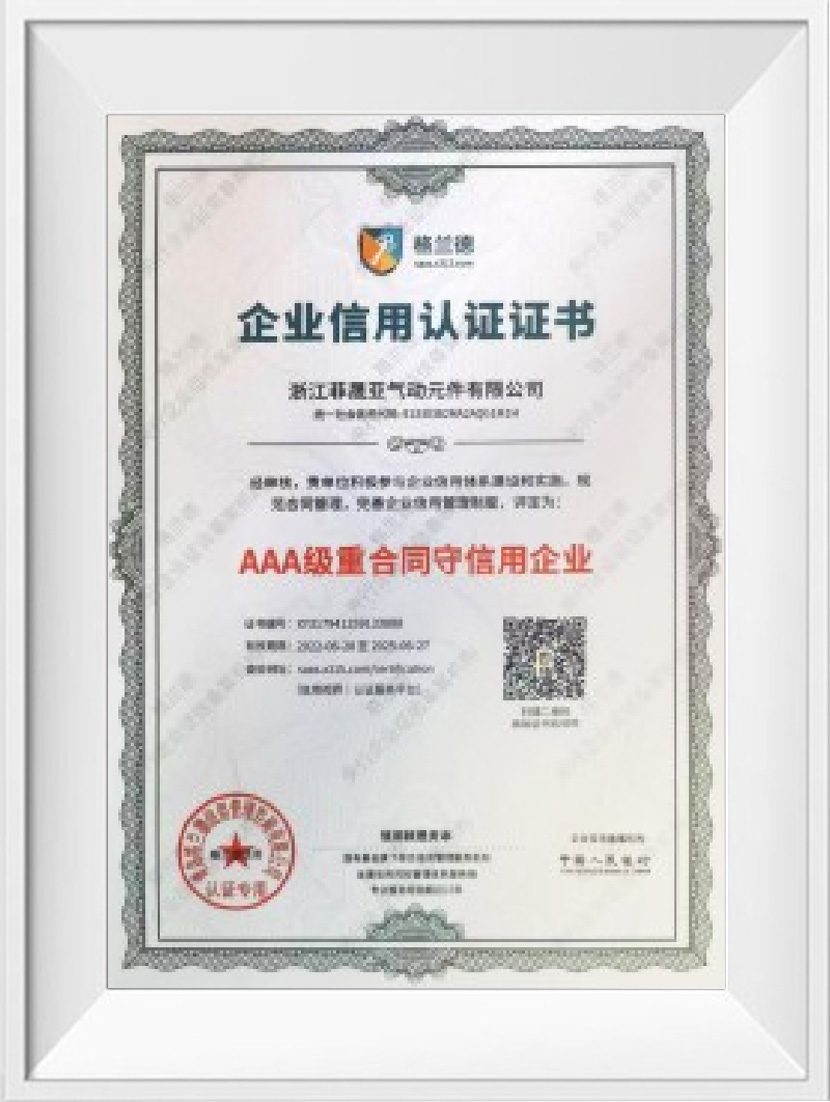
Certificate
Certificate-cs
Certificate-cs
Certificate-cs
Our LATEST NEWS

2026-10-02

2026-09-25
2026-09-18
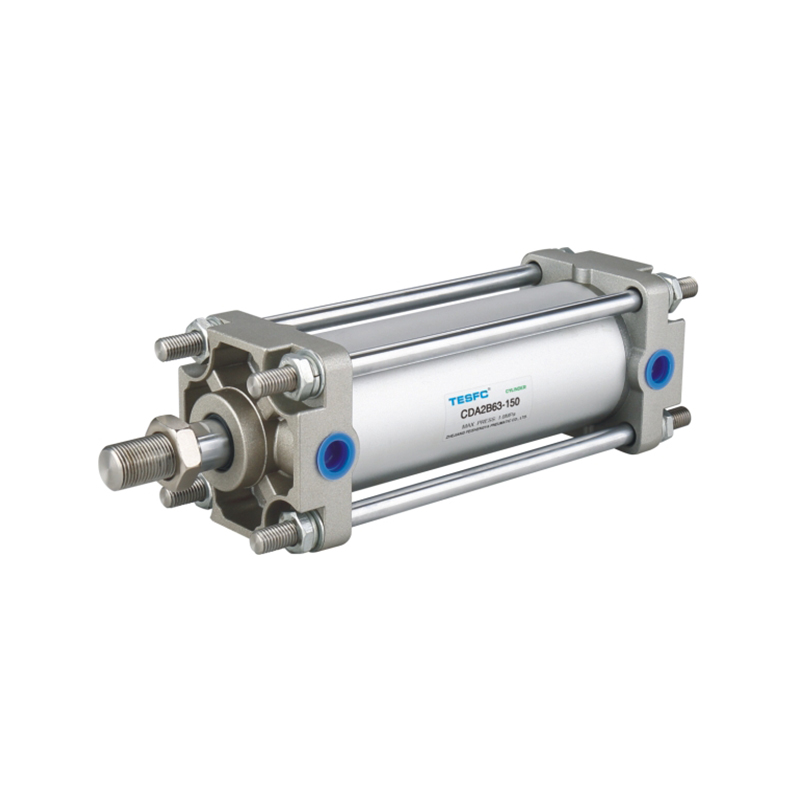
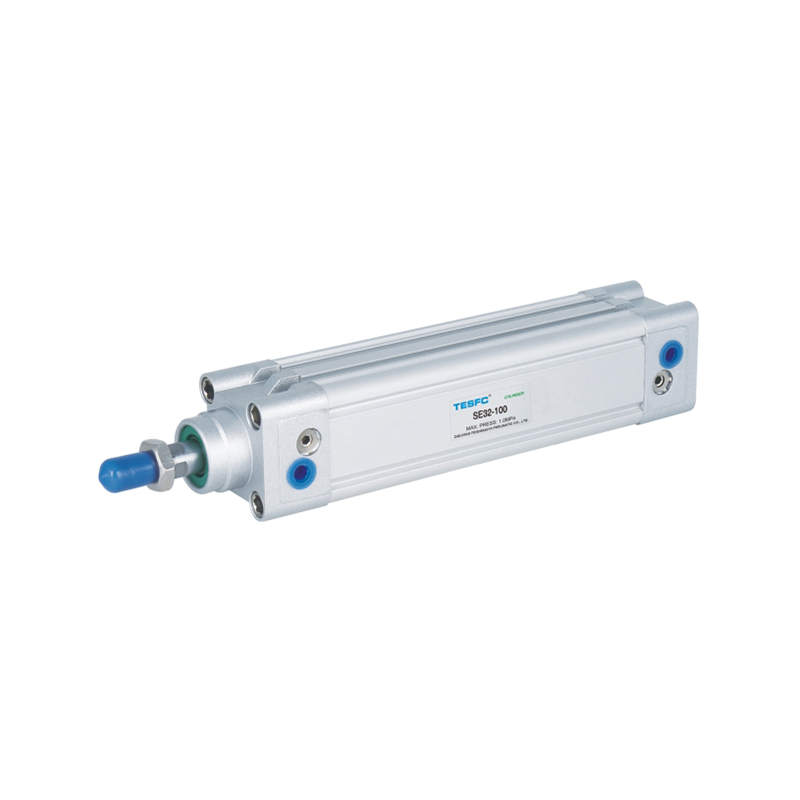
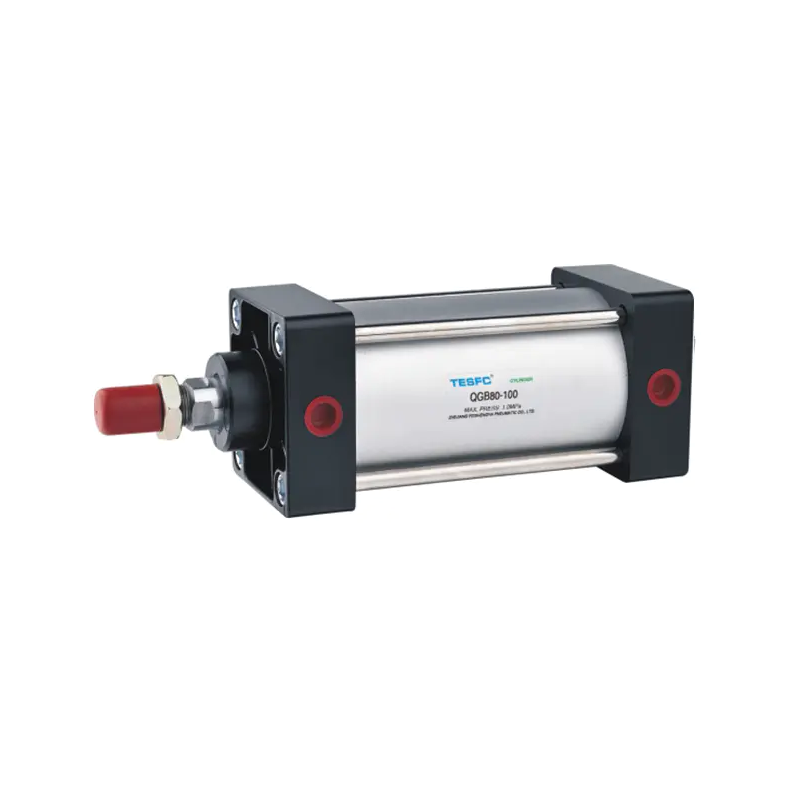
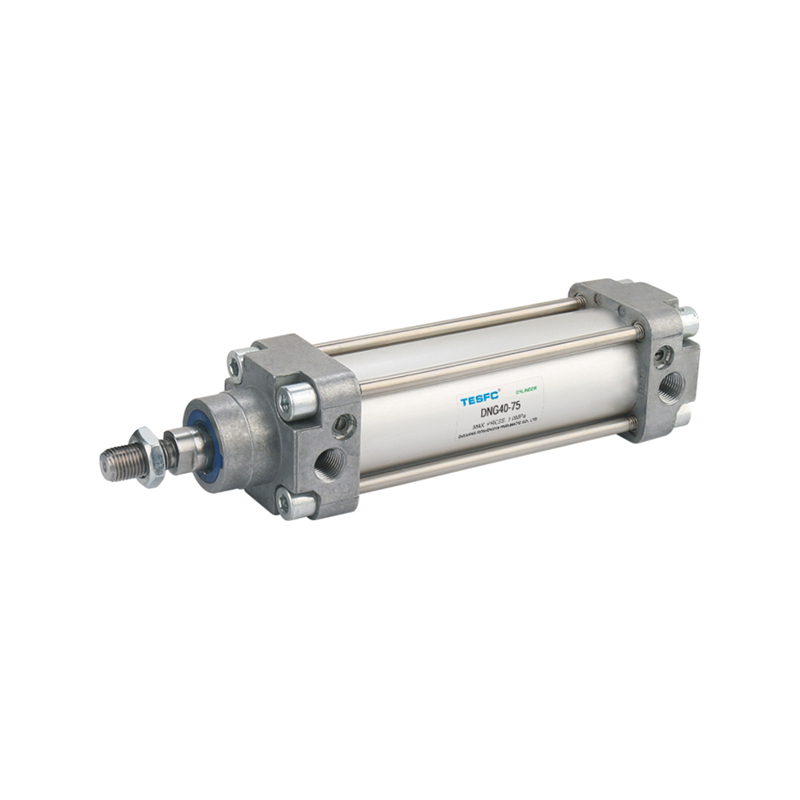
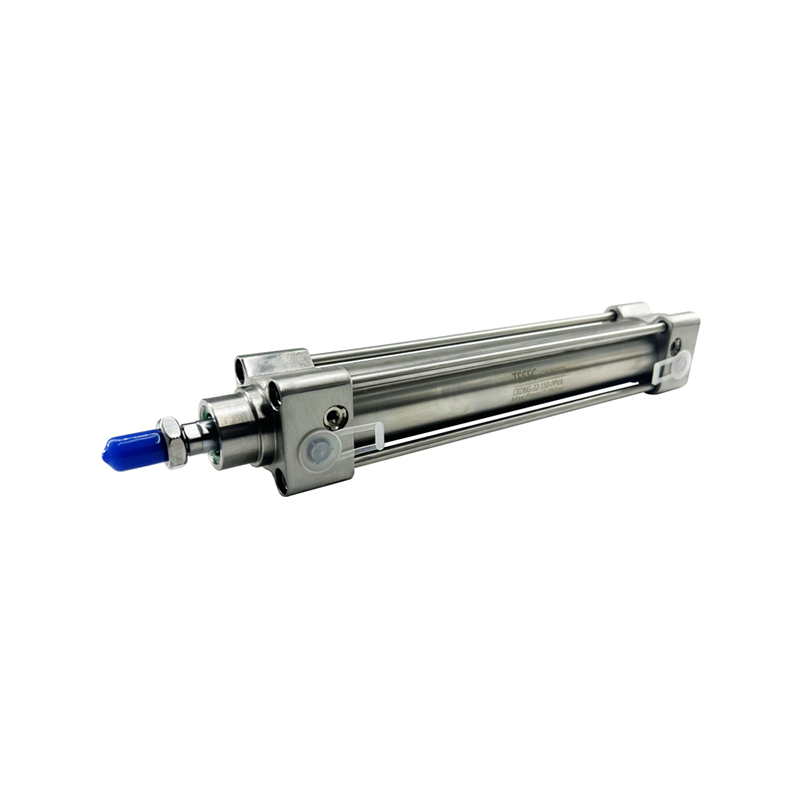
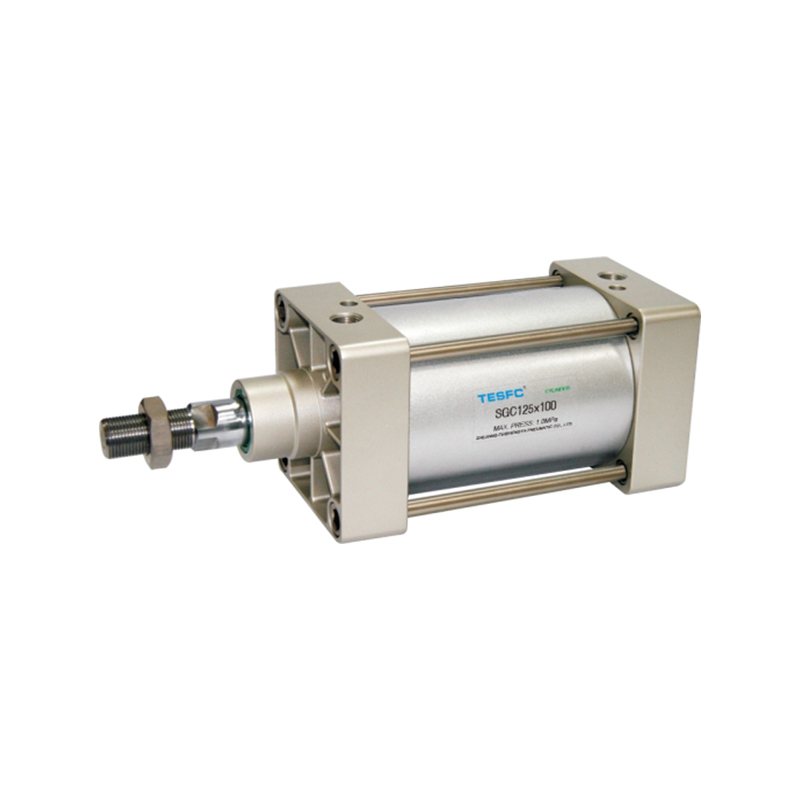
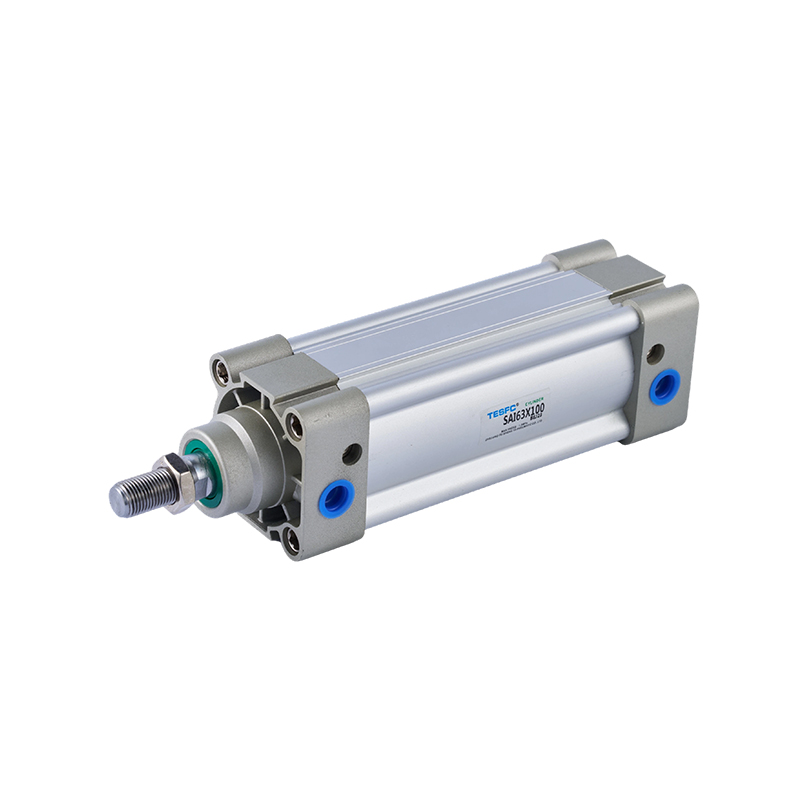
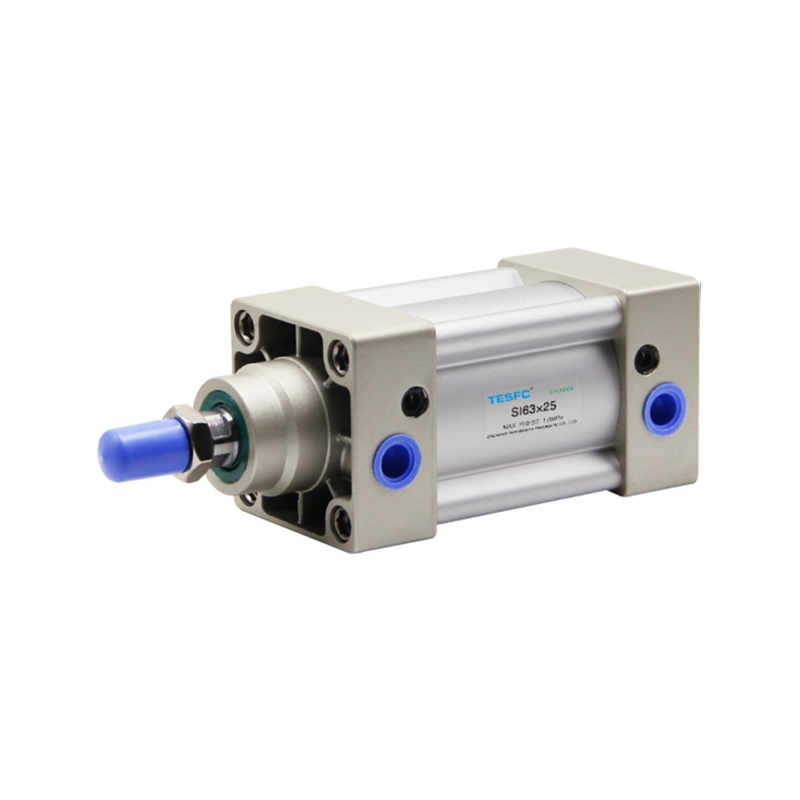
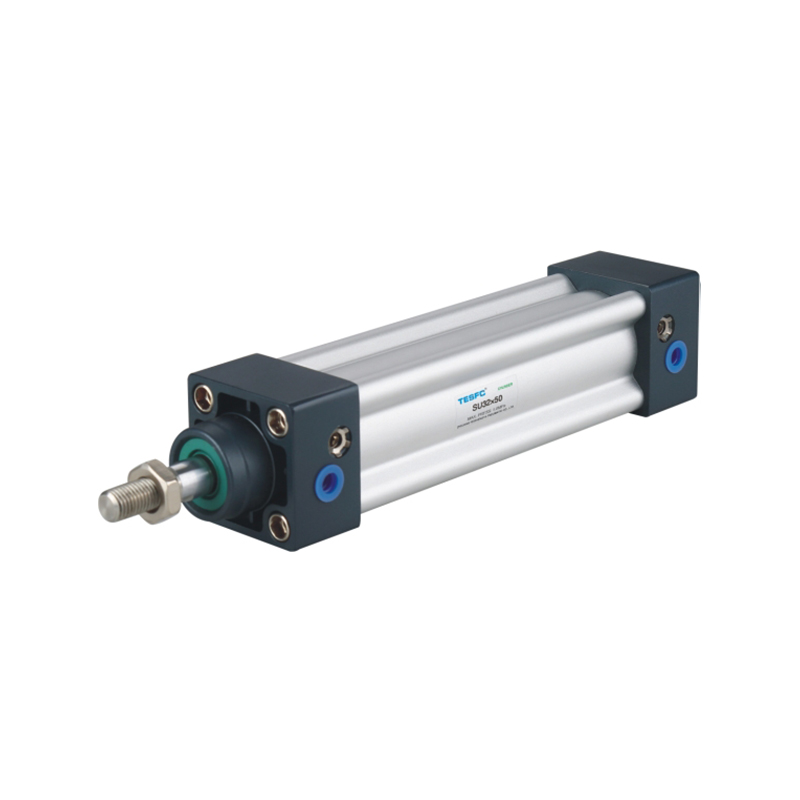
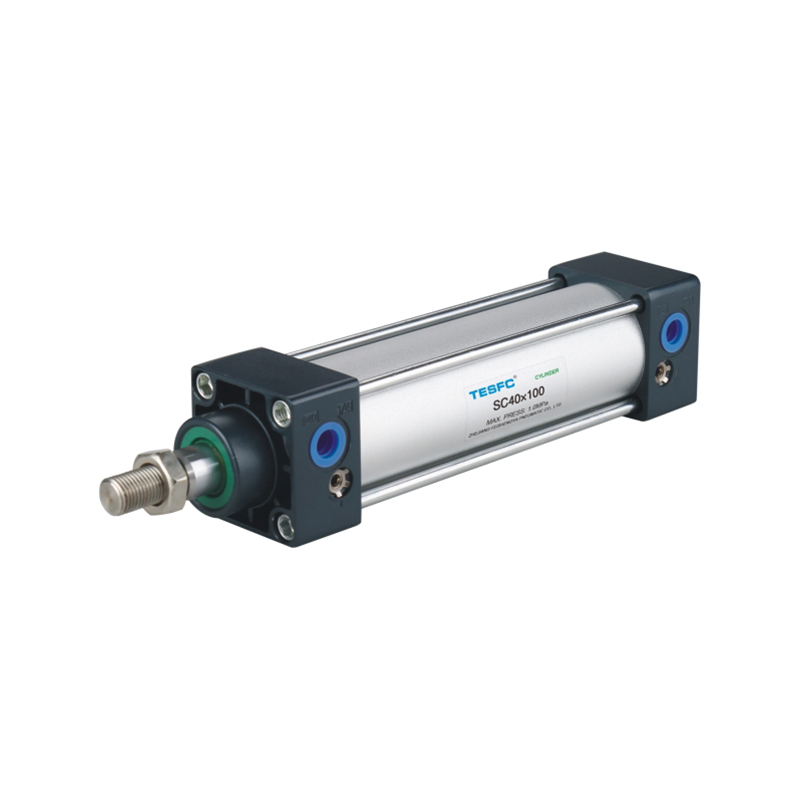
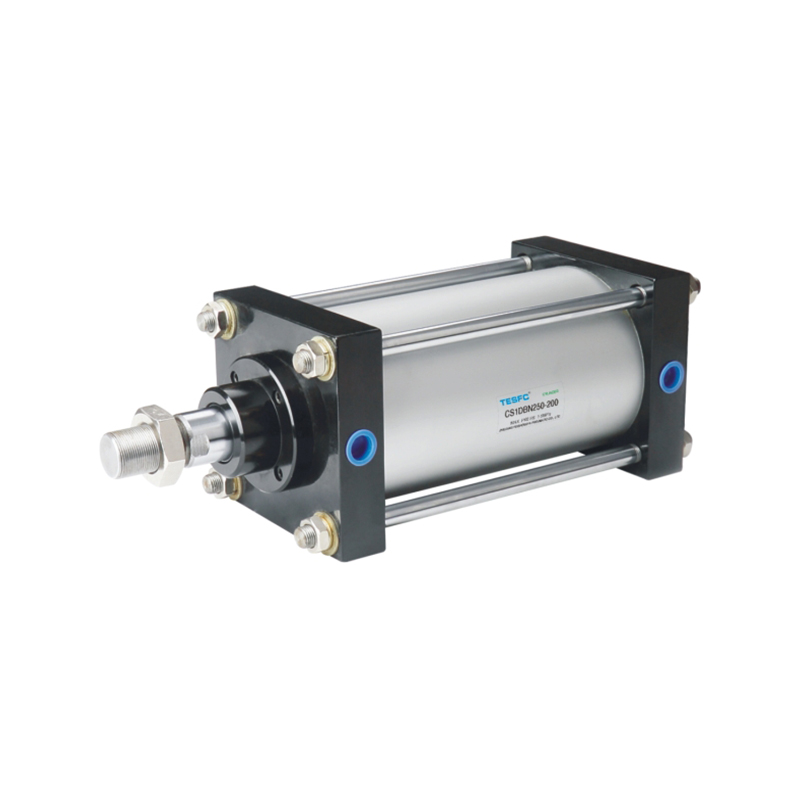
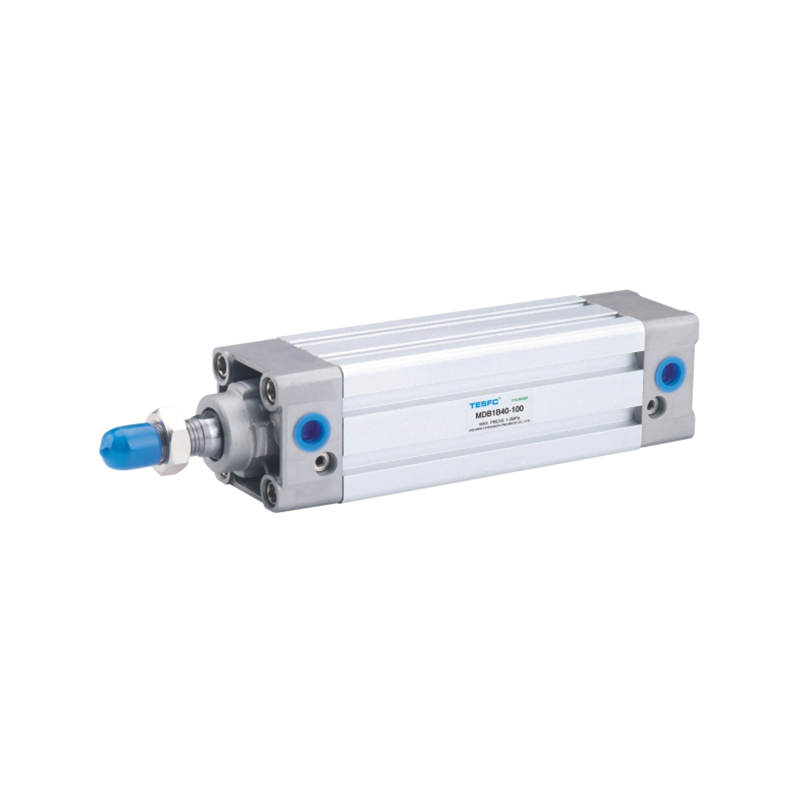
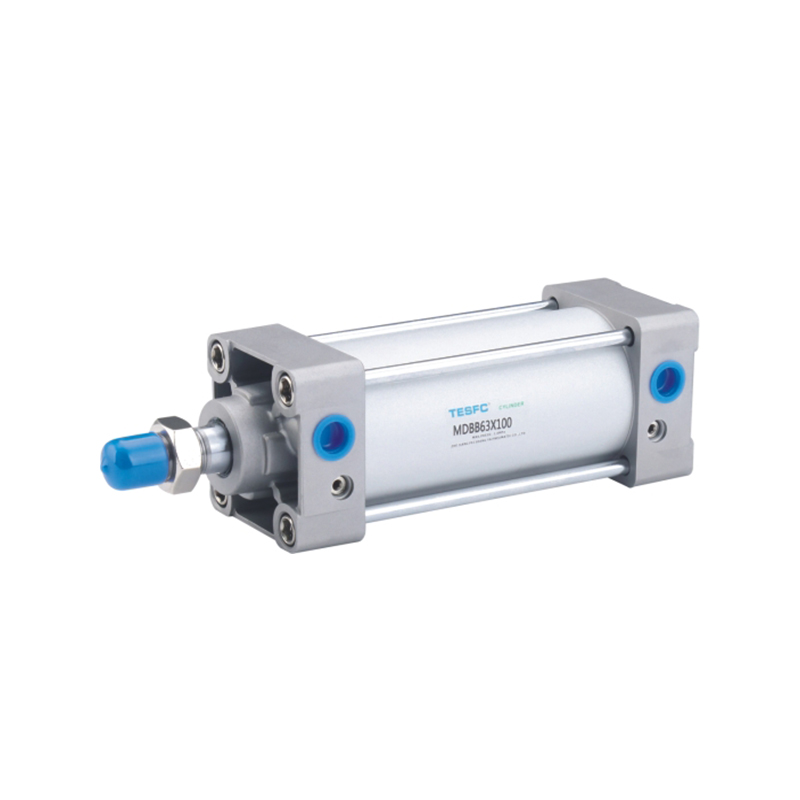
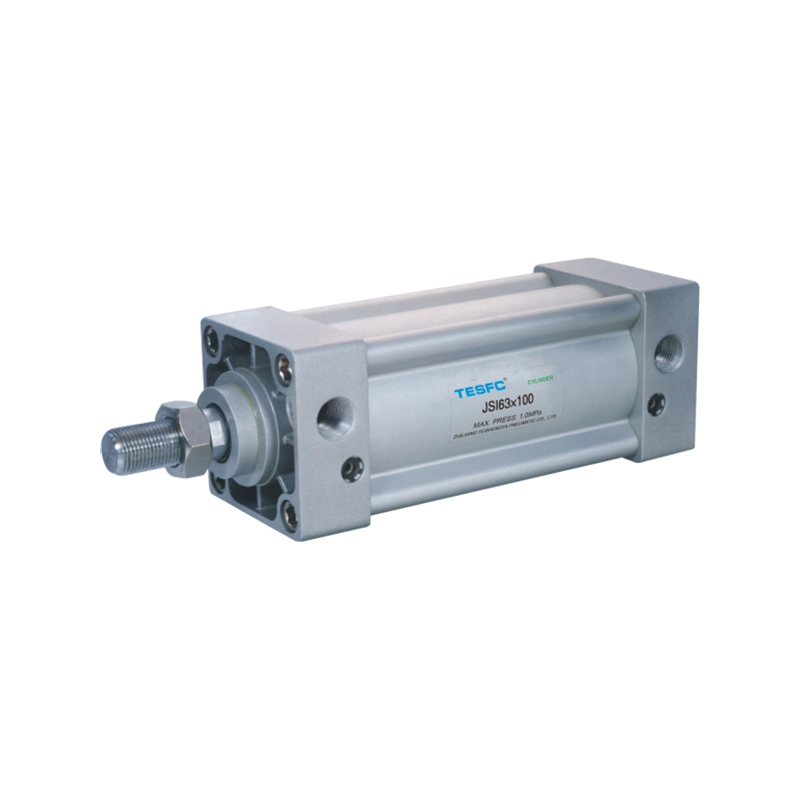
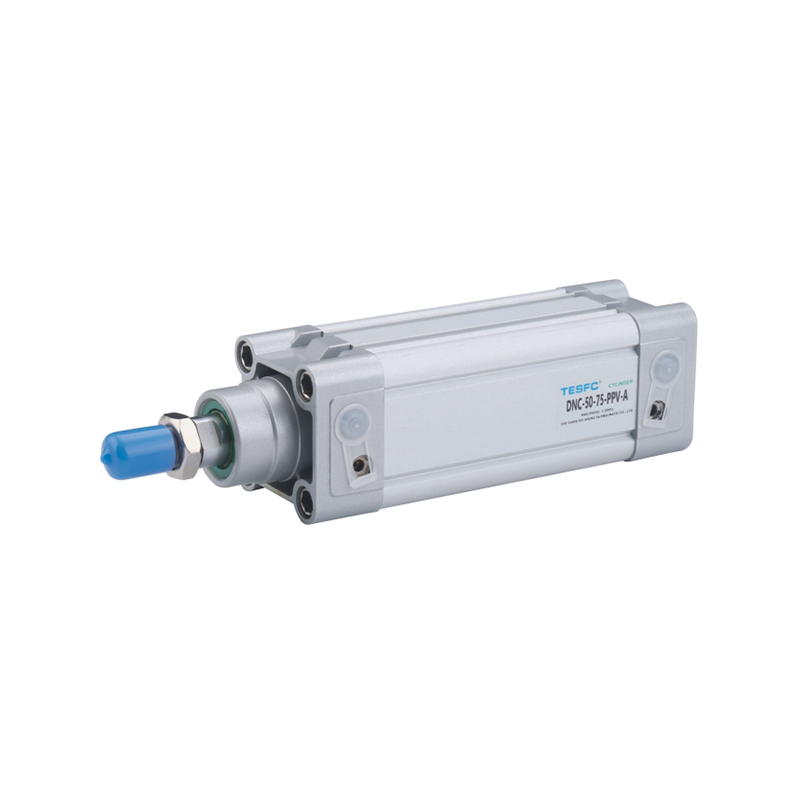
A Square Air Cylinder — sometimes called a Square Pneumatic Cylinder — is a pneumatic actuator built around a square or rectangular body shape. It relies on compressed air to produce linear motion that stays under precise control, and it's put to use extensively in automation equipment where a tight installation footprint, dependable mounting, and motion that repeats consistently are all essential.
Set beside traditional round-body cylinders, a square air cylinder brings flat surfaces for mounting, a body that holds steadier overall, and a smoother path toward integration with machine frames, fixtures, and modular automation systems. It's routinely relied upon for pushing, pulling, clamping, lifting, ejecting, stopping, and positioning duties within industrial pneumatic circuits.
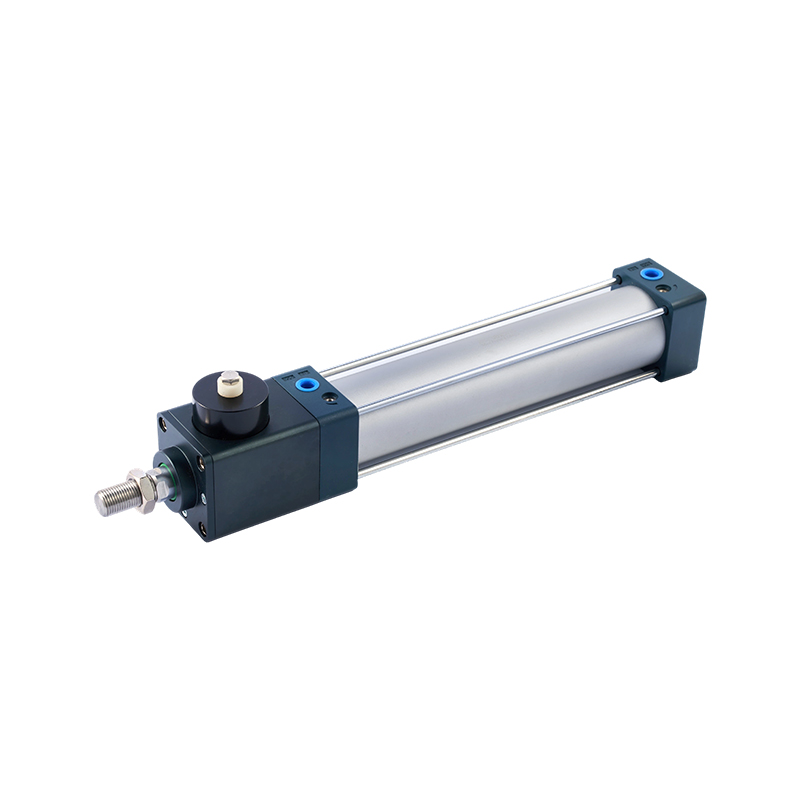
In situations calling for holding a position steady, or adding a layer of safety when pressure drops unexpectedly, a Locking Square Air Cylinder can step in to keep the piston rod or connected mechanism fixed in place under those particular operating conditions.
A square air cylinder runs on compressed air and carries a square-shaped body. The way it works internally lines up closely with other pneumatic cylinder types, though its outer structure delivers a real edge when it comes to mounting ease and making the most of available space.
A Square Air Cylinder takes the pressure carried by compressed air and turns it into mechanical force moving in a straight line. As air makes its way into the cylinder chamber, it drives the piston forward, and that action causes the piston rod to either push outward or draw back in.
Among its central roles are:
The square shape goes beyond mere looks — it brings genuine value to how easily the unit installs and how stable it stays mechanically.
Standout benefits tied to this square design include:
Within machinery design work, these small but meaningful details go a long way toward simplifying installation and easing the need for extra support structures.
A Square Pneumatic Cylinder functions as the piece that delivers final motion within a pneumatic control system. It draws in compressed air that valves have already regulated, then transforms that input into mechanical movement.
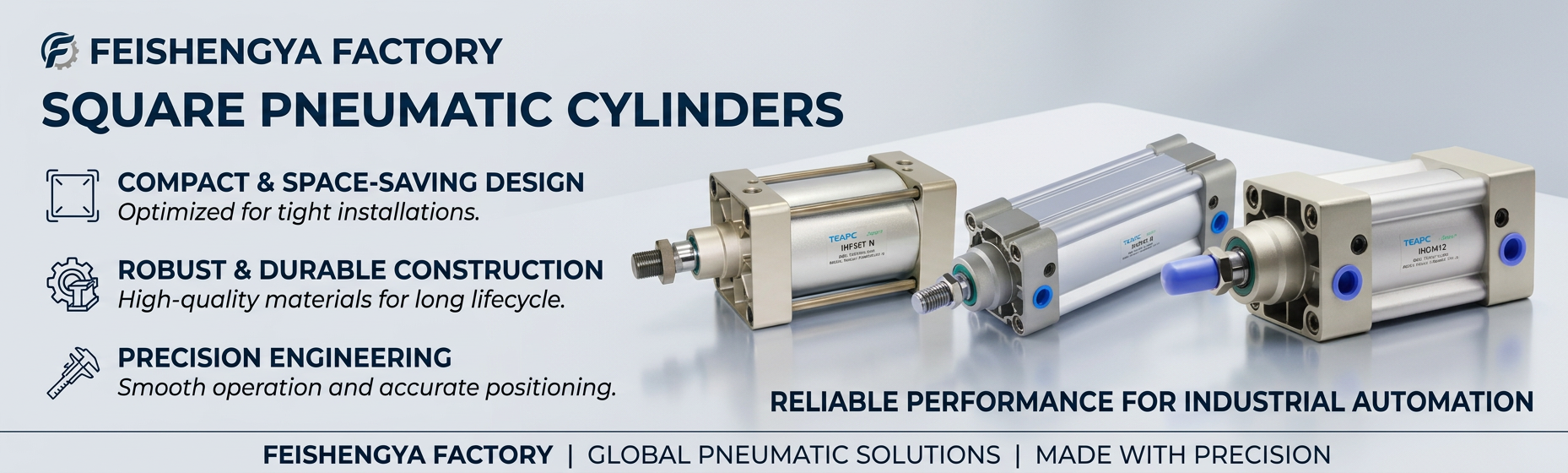
A typical pneumatic setup built around a square air cylinder generally features:
The cylinder carries out the closing mechanical action once air pressure, direction, and flow rate have all been managed beforehand.
Within pneumatic automation, square air cylinders get called on regularly to:
How stable a pneumatic system remains hinges not just on air pressure, but equally on picking the right cylinder and installing it correctly. When a cylinder runs too small, stretches too long, sits misaligned, or takes on side loading, motion tends to grow unpredictable.
Selecting a well-suited square air cylinder tends to strengthen:
Square air cylinders show up in several structural forms, each one shaped around a particular mix of force output, stroke length, mounting approach, and control style.
Compressed air drives this cylinder in both directions — extension and retraction alike run on air pressure rather than any spring or outside force.
You'll see this type chosen for:
Here, air pressure only handles one leg of the motion. Getting the piston back to start falls to either a built-in spring or whatever external load happens to be pressing against it.
This setup tends to appear in:
When space runs short, a compact square cylinder steps in. Trimming down the body length lets it slot into smaller machines and densely packed automation modules without a fight.
Places this design turns up:
This version houses a magnetic piston, one that communicates with external magnetic switches so the system always knows where the piston currently sits.
Expect to find it wherever:
Built with cushioning that can be tuned at either end of the stroke, this type takes the edge off impact, quiets things down, and keeps vibration in check.
It tends to make sense when:
Whenever the piston rod — or whatever it's connected to — needs to stay locked in place under specific circumstances, a Locking Square Air Cylinder handles that job.
This shows up most in:
Because their body stays compact and their mounting holds steady, square air cylinders keep turning up across industrial automation, slotting into a wide array of machine layouts without much trouble.
Packaging equipment leans on Square Pneumatic Cylinders for a range of jobs, among them:
Because the shape stays so compact, engineers can pack multiple actuators tightly together within packaging machines.
Assembly systems rely on square air cylinders to carry out:
Since assembly work depends on accuracy that repeats every time, steady motion paired with mounting simplicity becomes essential.
Producing electronic and electrical equipment often calls for compact square cylinders, covering tasks like:
The square-shaped body slots naturally into machine designs built around compact, modular principles.
Automotive production and component assembly bring square air cylinders into play for:
Wherever vibration or repetitive movement enters the picture, correct mounting alongside proper rod alignment becomes a genuine requirement.
Textile and printing equipment also draws on square air cylinders, applying them to:
Material stays consistent through processing largely because speed control remains smooth and steady.
Machinery built for food and beverage production often puts air cylinders to work handling:
Selecting the right unit for this category means weighing air quality, resistance to corrosion, and how clean the surrounding environment stays.
Square air cylinders extend well beyond these specialized areas too, appearing throughout general-purpose machinery such as:
Movement that stays stable, hardware that lasts, and air leakage kept to a minimum — all three trace back to installation being done correctly from the start.
Mounting a Square Air Cylinder should wait until these details get checked first:
For the piston rod to function well, its path of travel needs to stay aligned with the load. When side load creeps in, it tends to be behind most cases of rod bending, worn seals, and motion that won't settle into a stable pattern.
Worth keeping in mind:
Depending on how the model was designed, square air cylinders open up a handful of different mounting possibilities.
Among the options typically on the table:
The mounting method that gets picked needs to fit both the machine's structure and the direction the load happens to move in.
Airflow stays stable when a few basics get handled properly:
Once everything is installed, let the cylinder run at a low speed to begin with. From that point, speed controllers and cushioning settings can be dialed in gradually, one adjustment at a time.
Jumping straight into high-speed testing isn't a good idea, especially when any of these apply:
Keeping a square air cylinder running smoothly over the long haul means checking in on it regularly — that's what cuts down on machine stoppages nobody planned for.
Compressed air needs to stay clean, dry, and properly regulated. Once air quality slips, seals start taking damage and friction climbs.
Steps worth taking include:
Air can escape through the rod seal, end covers, fittings, or tubing connections.
Checks to run through:
How the piston rod surface holds up directly affects how long seals last. Scratches, dust buildup, or adhesive residue can trigger leaks and rough, uneven movement.
Habits worth building:
Motion that repeats over and over can gradually loosen fasteners or shift alignment out of place.
Give regular attention to:
Shifts in how the cylinder moves often signal a problem taking shape early on.
Watch closely for:
Catching maintenance needs early keeps small issues from snowballing into equipment failures further down the line.
Square air cylinder faults are usually related to air pressure, sealing, contamination, incorrect installation, or mechanical overload. The following table provides practical troubleshooting guidance.
| Fault | Possible Cause | Recommended Solution |
|---|---|---|
| Cylinder does not move | No air supply, valve not switching, blocked tube, excessive load | Check air pressure, inspect valve operation, clear air path, reduce load |
| Movement is slow | Low pressure, restricted fitting, undersized tube, blocked silencer | Stabilize pressure, check fitting and tube size, clean or replace silencer |
| Output force is weak | Bore too small, air leakage, pressure drop, worn piston seal | Recheck force requirement, inspect leakage points, replace worn seals |
| Jerky or unstable motion | Moisture in air, side load, poor alignment, seal friction | Improve air treatment, correct alignment, inspect seals |
| Air leakage at rod area | Rod scratch, seal wear, dust contamination | Clean rod, replace seal, protect rod from contamination |
| Strong impact at stroke end | Speed too high, cushioning not adjusted, heavy load | Reduce speed, adjust cushioning, check load condition |
| Rod bending | Side force, incorrect mounting, unsupported load | Add guide mechanism, use floating joint, correct mounting position |
| Sensor signal failure | Sensor position incorrect, wiring issue, weak magnetic detection | Adjust sensor, check cable, confirm magnetic piston specification |
| Locking function unstable | Insufficient holding force, wrong control sequence, contamination | Check locking specification, review control logic, clean air supply |
| Exhaust noise is high | Missing silencer, excessive exhaust flow, impact at end stroke | Install silencer, adjust flow control, tune cushioning |
A practical troubleshooting sequence is: air source → valve → tubing and fittings → cylinder seals → mounting alignment → mechanical load.
Reliable structure, practical installation, and solid compatibility with automation equipment — these are the priorities Feishengya builds into every Square Air Cylinder meant for industrial pneumatic systems.
Machines where space runs short, or where actuators need to sit close together, tend to benefit from that square-profile body. Alignment and mounting both get simpler thanks to flat surfaces, which comes in handy across fixtures, conveyors, and modular automation equipment alike.
Repetitive linear motion sits at the core of what Feishengya's Square Pneumatic Cylinder products are built for. Pushing, clamping, lifting, ejecting, positioning — the structure handles all of these common operations without much fuss.
A few practical features stand out:
Pneumatic components — cylinders, solenoid valves, and related products among them — have long been part of what Zhejiang Feishengya Pneumatic Components Co., Ltd. produces and processes. Machining equipment, established assembly procedures, and thorough inspection methods all play a role in keeping products consistent batch after batch.
CAD and SOLIDWORKS drive product design and engineering development at Feishengya, while ERP systems keep production management organized and on track. Backing all of this is ISO9001 quality management certification, which supports standardized process control alongside inspection and continuous improvement efforts.
What matters in actual pneumatic systems is exactly where Feishengya keeps its attention, covering areas such as:
Put together, these qualities make Feishengya's Square Air Cylinder products a solid fit for automation machinery, packaging equipment, assembly lines, fixture systems, and general industrial applications spanning a wide range of settings.

Phone: +86-15957736756
E-mail: [email protected]
Add: No.7, Yongxing Second Road, Chengdong Industrial Functional Zone, Chengdong Subdistrict, Yueqing City, Zhejiang Province, P.R.China
Copyright © Zhejiang Feishengya Pneumatic Components Co., Ltd. All Rights Reserved.
 Wholesale Locking Square Air Cylinder
 English
 русский
 عربى
عربى Español