/

/

Search
Category
Hot Products
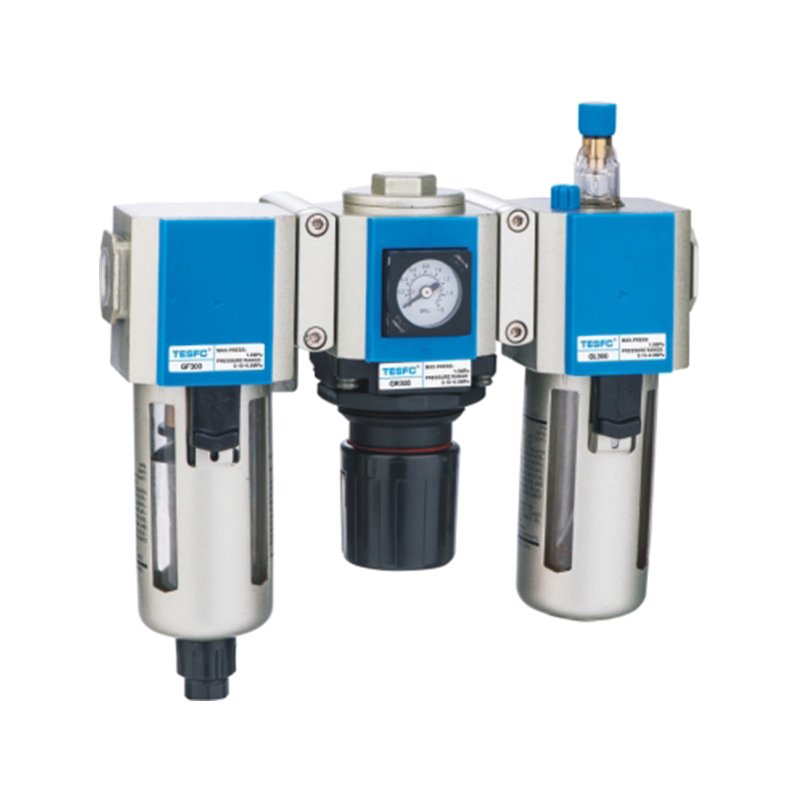
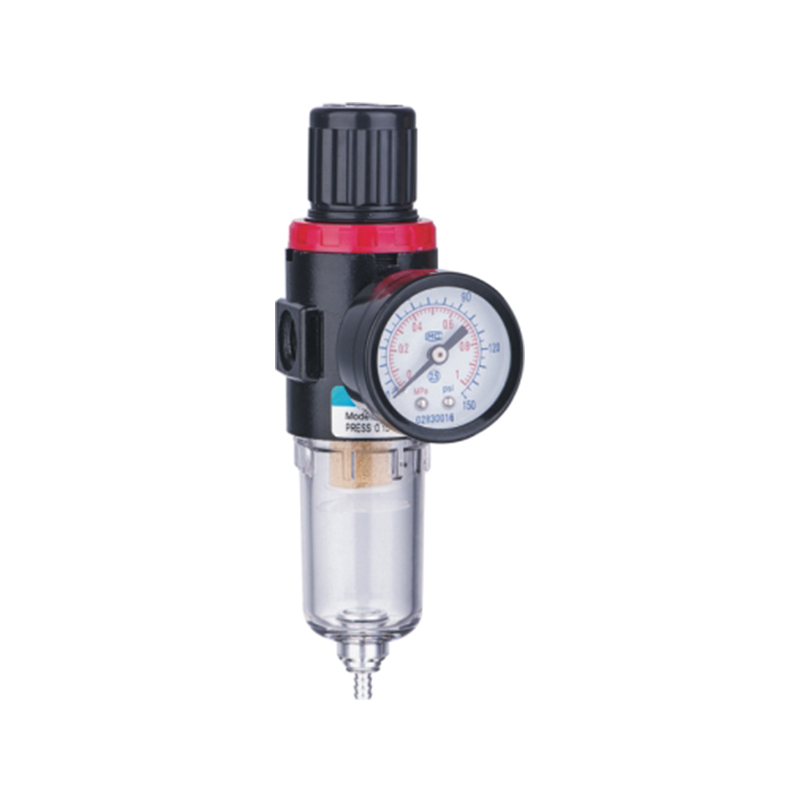
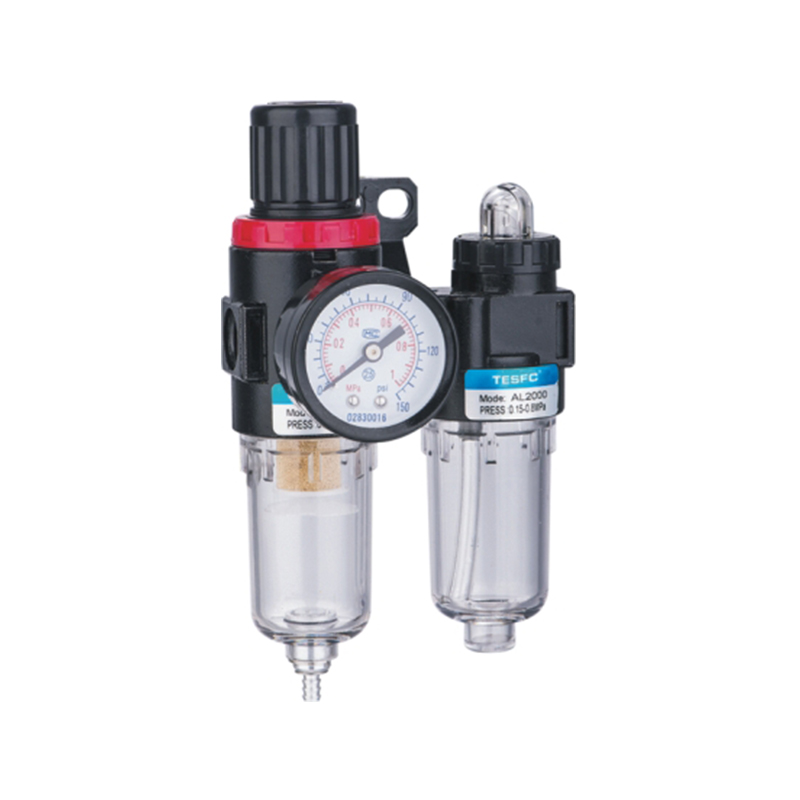
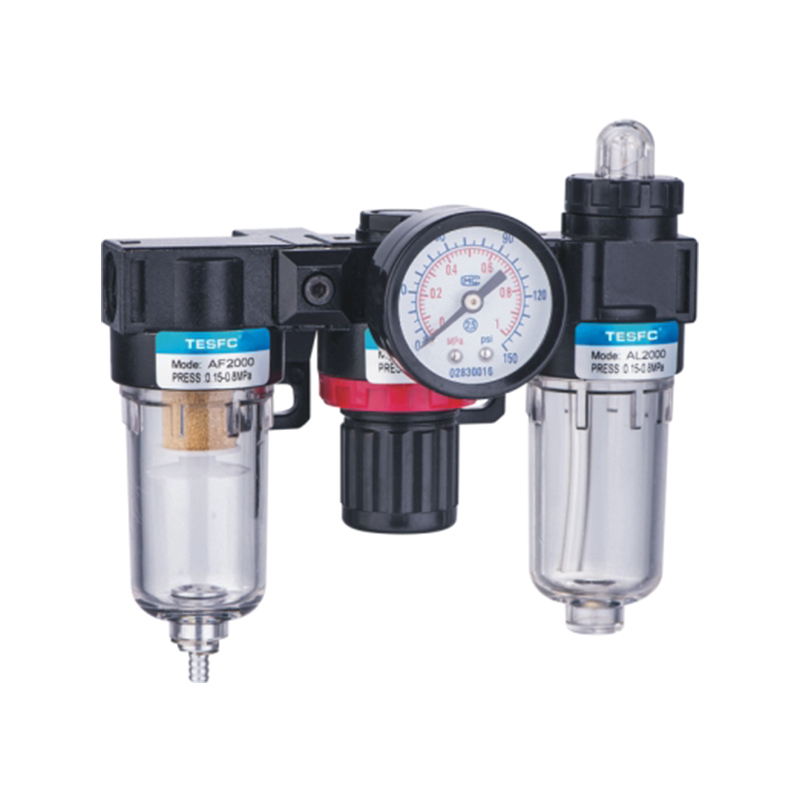
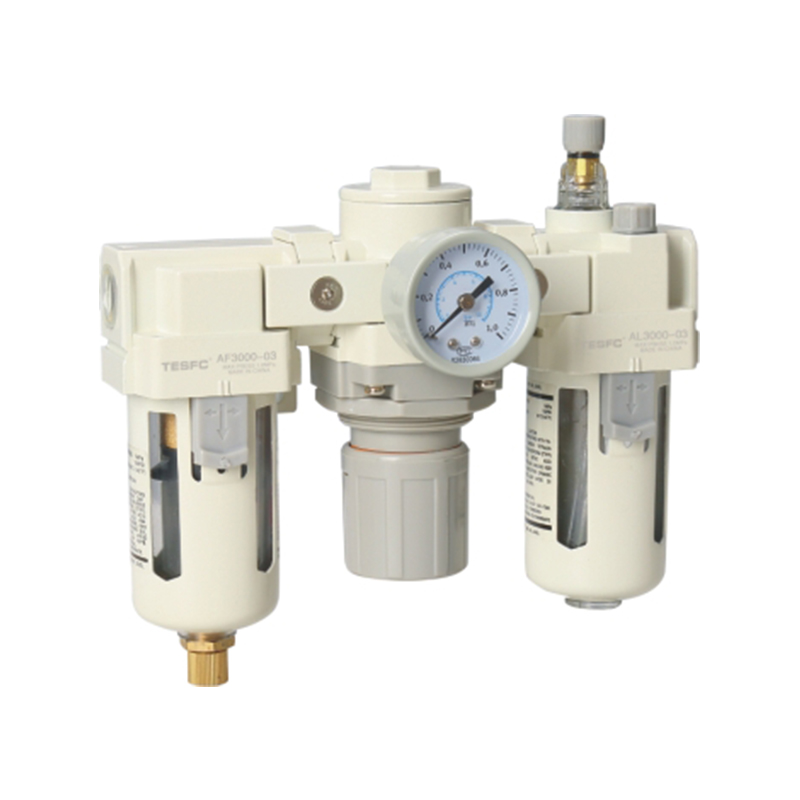
Before compressed air ever reaches a valve, cylinder, actuator, vacuum generator, or any other piece of pneumatic equipment, it needs proper preparation — which is exactly the job Air Source Treatment Components are built for. A complete Air Source Treatment Unit typically pulls together filters, regulators, lubricators, pressure gauges, brackets, and drainage structures, all working toward the same goals: stripping out contaminants, stabilizing pressure, and supporting suitable lubrication wherever the application calls for it. That kind of preparation shows up constantly across automation equipment, packaging machinery, automotive assembly, textile machinery, pneumatic workstations, and general industrial systems more broadly.
Getting the selection right means weighing several factors together rather than picking based on one spec alone — port size, flow capacity, filtration accuracy, pressure range, drainage method, working environment, and lubrication requirements all deserve a seat at the table. Feishengya puts together air source treatment solutions built around stable air preparation, straightforward installation, and modular configuration, with practical compatibility across industrial pneumatic circuits baked in from the start. The payoff for improving compressed air quality and pressure control isn't abstract, either — downstream equipment stays protected, and the whole pneumatic system ends up running with the kind of reliability that keeps production moving without surprises.
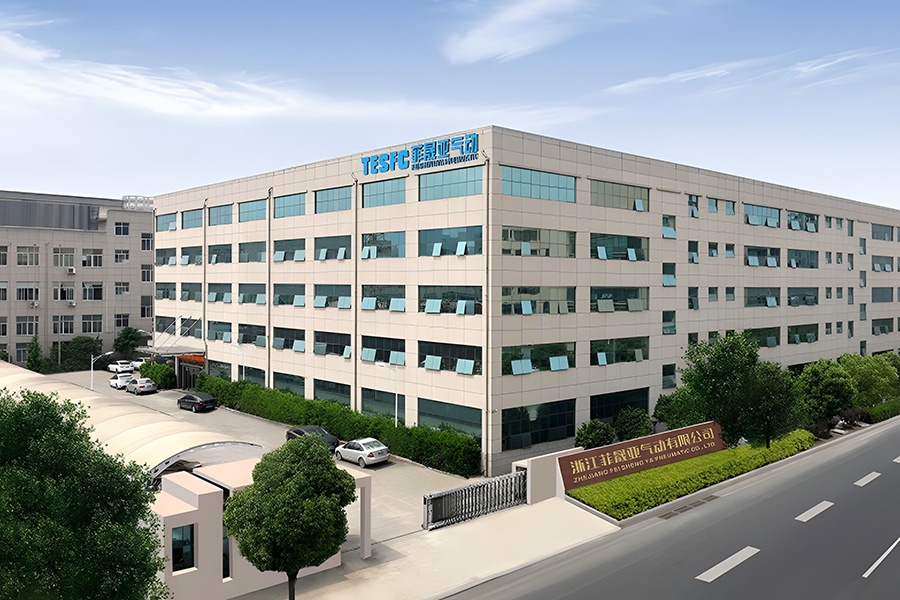
Zhejiang Feishengya Pneumatic Components Co., Ltd.
Zhejiang Feishengya Pneumatic Components Co., Ltd. is a pneumatic component enterprise that integrates scientific R&D, production and processing, operation and sales, technical services, import and export trade, and personnel training. It specializes in the production, processing, and sales of pneumatic components such as cylinders, solenoid valves, and Pneumatic Filter Regulator Lubricator.
The company has always adhered to serving society with practical quality, high-quality service, comprehensive technology, and reasonable prices, and is committed to striving to create a "Chinese famous brand".
Our company has nearly a hundred advanced processing pieces of equipment. There are currently 120 employees, including over 20 professional and technical personnel, with an annual production capacity of 500,000 pieces (sets) of various components. We have advanced production processes, complete testing methods and equipment, and a high-quality workforce. We organize production and sales with a practical and innovative concept, and have passed ISO9001 international quality management system certification. We use CAD, SOLIDWORKS, and ERP for engineering design and enterprise management. Continuously increasing product development efforts and investment, continuously upgrading and improving equipment and products to meet customer needs with higher cost-effectiveness, and providing high-performance products and convenient and fast services to new and old users anytime, anywhere.
Air Source Treatment Component manufacturer - Feishengya Pneumatic adheres to the principles of "strict production, scientific management, continuous improvement, and stable quality with a rigorous and down-to-earth work style, a pioneering spirit of self-improvement, an honest and down-to-earth management style, and first-class production technology. Relying on the increasingly mature market system and flexible industry mechanisms, we adhere to the development path of technology oriented, outward oriented, and comprehensive, and provide more and better quality services for various industries.
All employees of Zhejiang Feishengya Pneumatic Components Co., Ltd. sincerely welcome friends from all industries to visit, exchange ideas and cooperate with us.
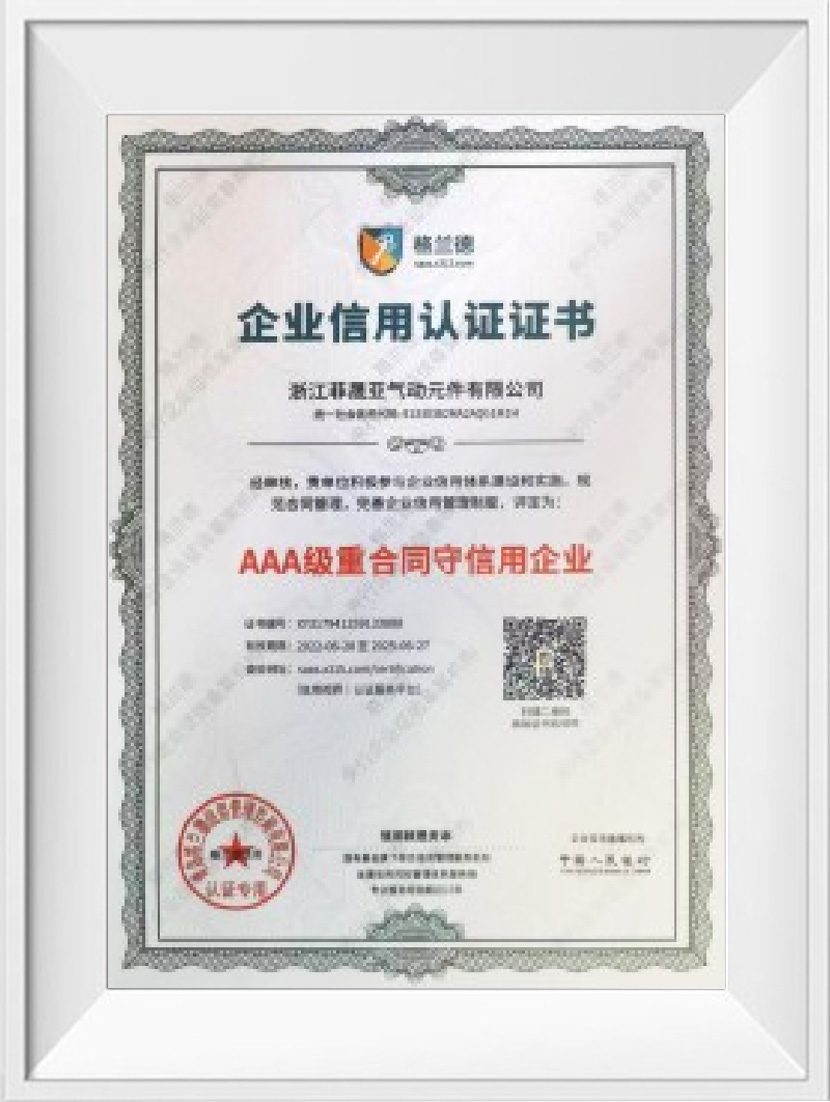
Certificate
Certificate-cs
Certificate-cs
Certificate-cs
Our LATEST NEWS

2026-08-21

2026-01-26
2026-01-25
Feishengya's Air Source Treatment Components and air preparation solutions reach a wide circle of customers — automation equipment manufacturers, mechanical engineers, pneumatic system integrators, machinery manufacturers, pneumatic component distributors, and OEM/ODM projects — all working toward the same practical outcomes: protecting downstream pneumatic devices, cutting air contamination risks, improving pressure stability, and stretching equipment service life further than it would otherwise go.
Plenty of suppliers stop at offering single standard parts, but Feishengya takes a broader approach, backing pneumatic applications with complete air preparation knowledge, practical product matching, and stable manufacturing capability across pneumatic system components. For any equipment running cylinders, solenoid valves, pneumatic actuators, air tools, or vacuum components, proper air treatment stops being optional pretty quickly — it becomes the foundation everything else depends on.
An Air Source Treatment Component — sometimes called an Air Source Treatment Unit — steps in to prepare compressed air before it ever enters the pneumatic circuit. It strips out water, oil mist, dust, and solid particles, regulates air pressure along the way, and adds controlled lubrication when the application calls for it. The result is a pneumatic system running on cleaner air, safer pressure, and noticeably more consistent output.
An Air Source Treatment Component sits between the compressed air supply and downstream pneumatic equipment, doing exactly what its position suggests — conditioning compressed air so that cylinders, valves, actuators, vacuum generators, and other pneumatic parts can operate under stable, cleaner conditions rather than fighting whatever comes straight out of the compressor.
Compressed air from a compressor tends to carry more baggage than it should, often including:
Let any of that reach pneumatic components directly, and trouble tends to follow — seal wear, valve sticking, corrosion, unstable cylinder motion, air leakage, or a service life that falls well short of expectations. Air source treatment heads off these risks by filtering and regulating the air before it ever reaches the working circuit.
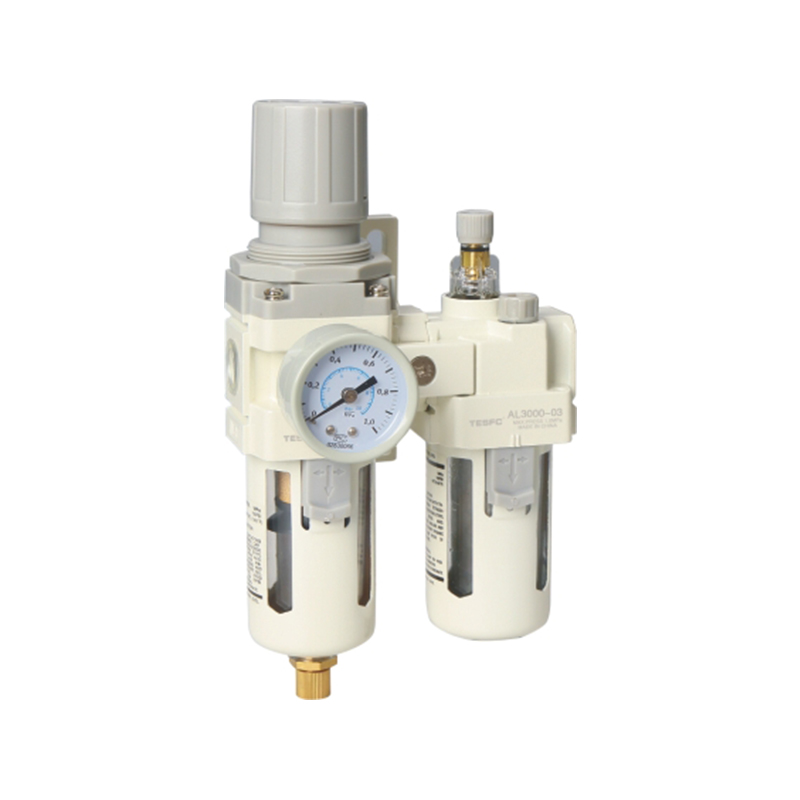
A typical air preparation process unfolds across several steps:
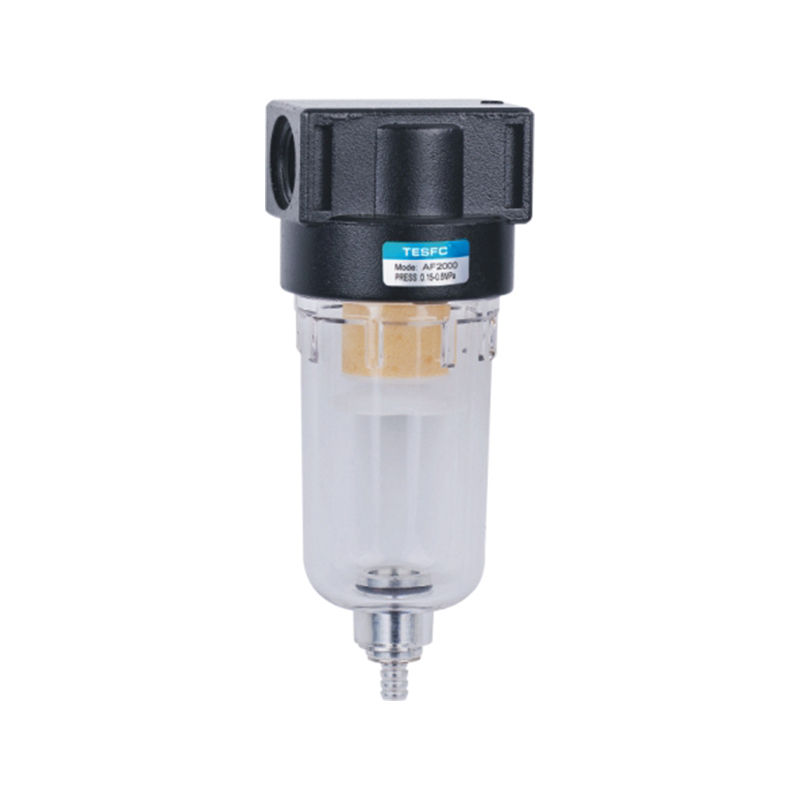
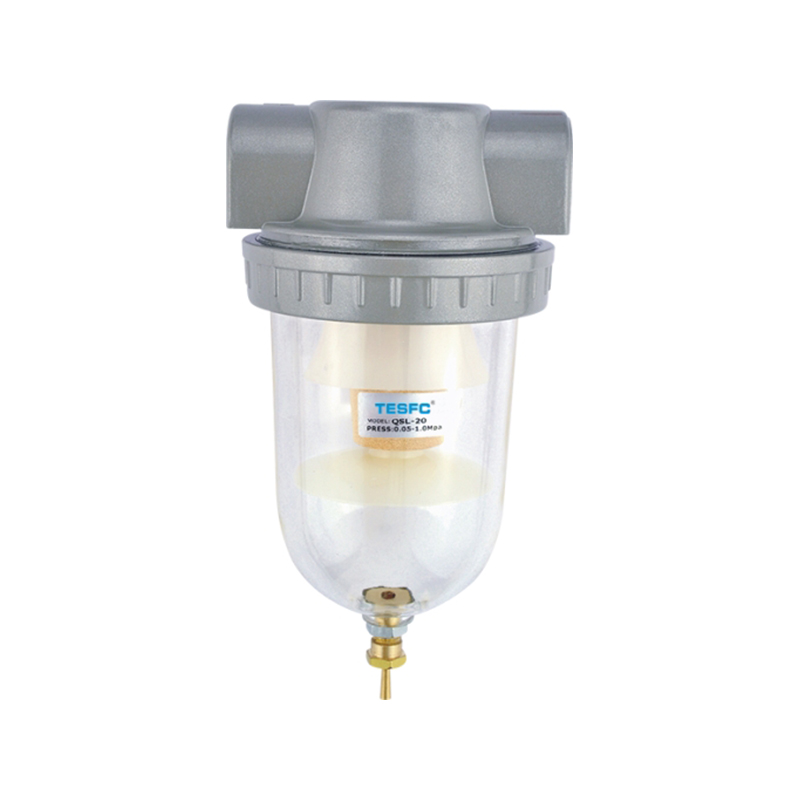
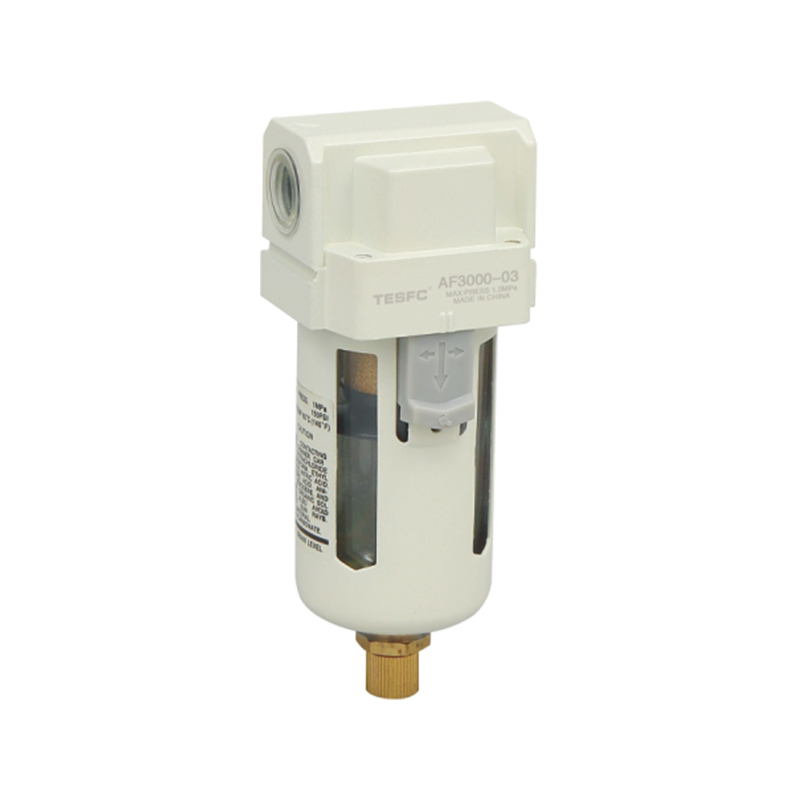
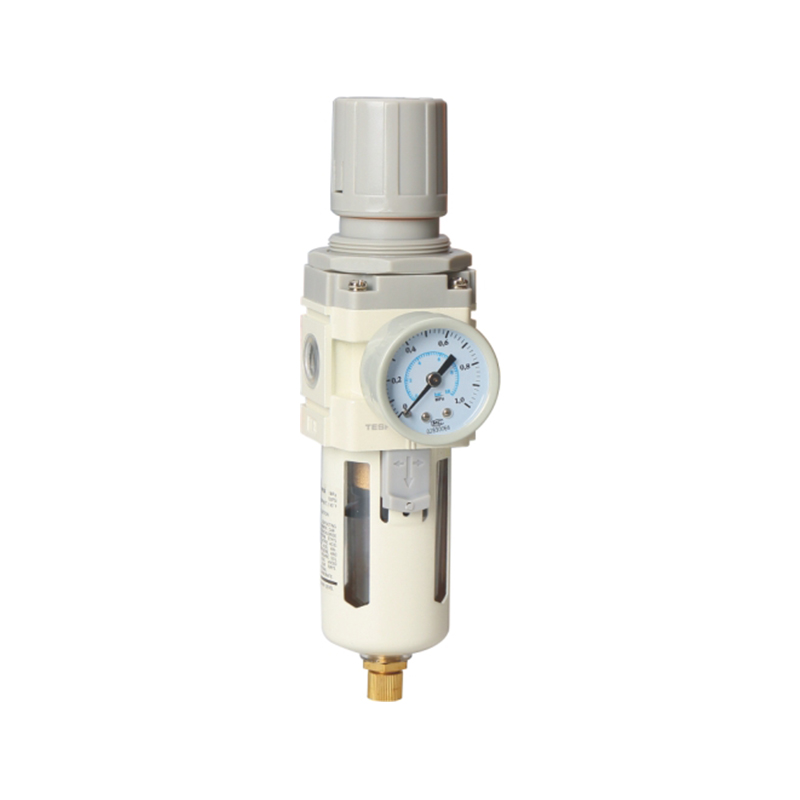
The filter removes moisture, dust, oil particles, and solid impurities from compressed air.
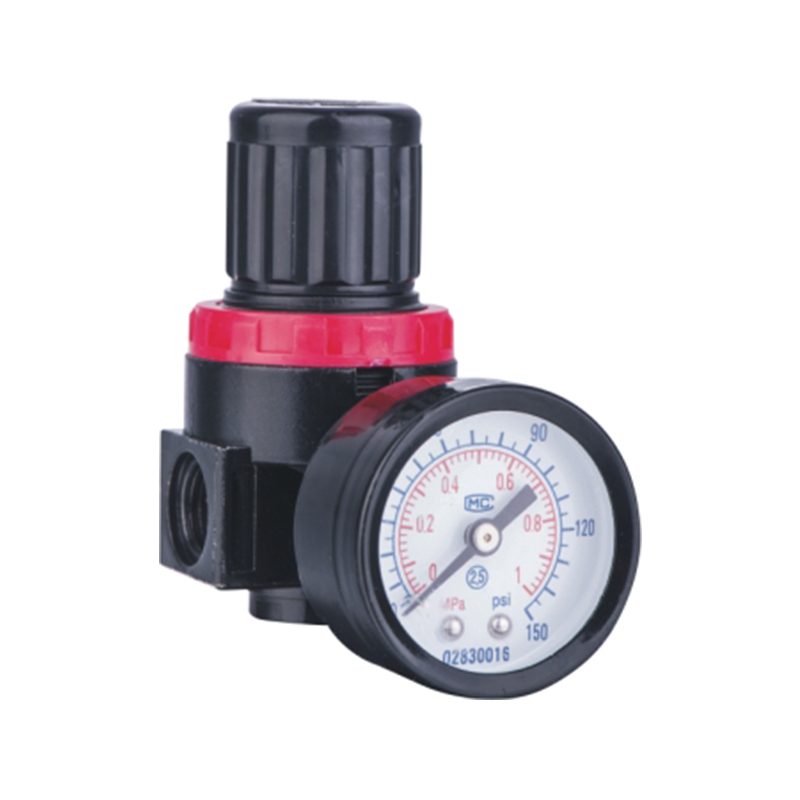
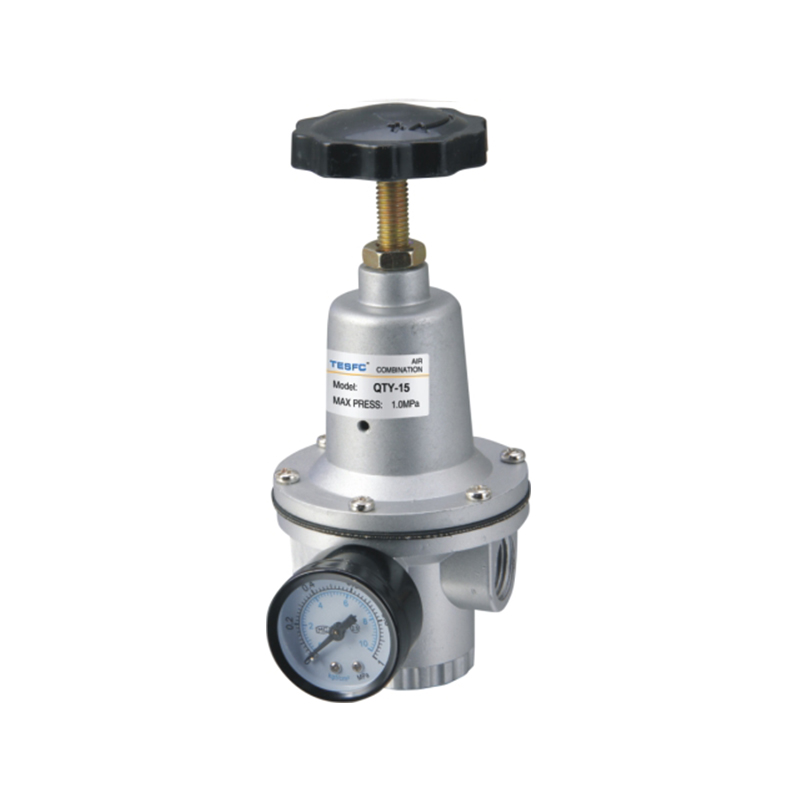
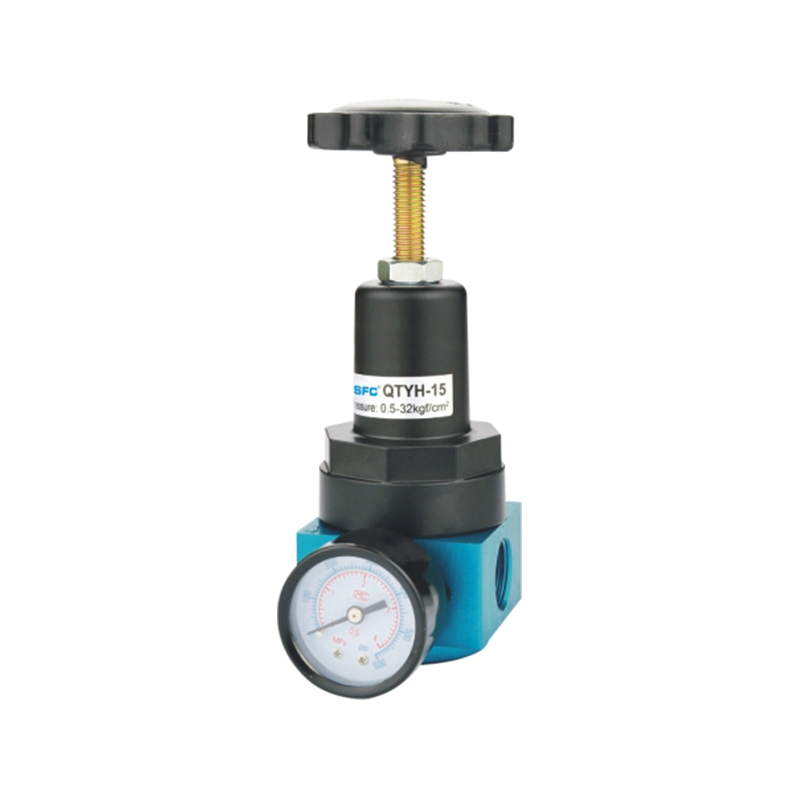
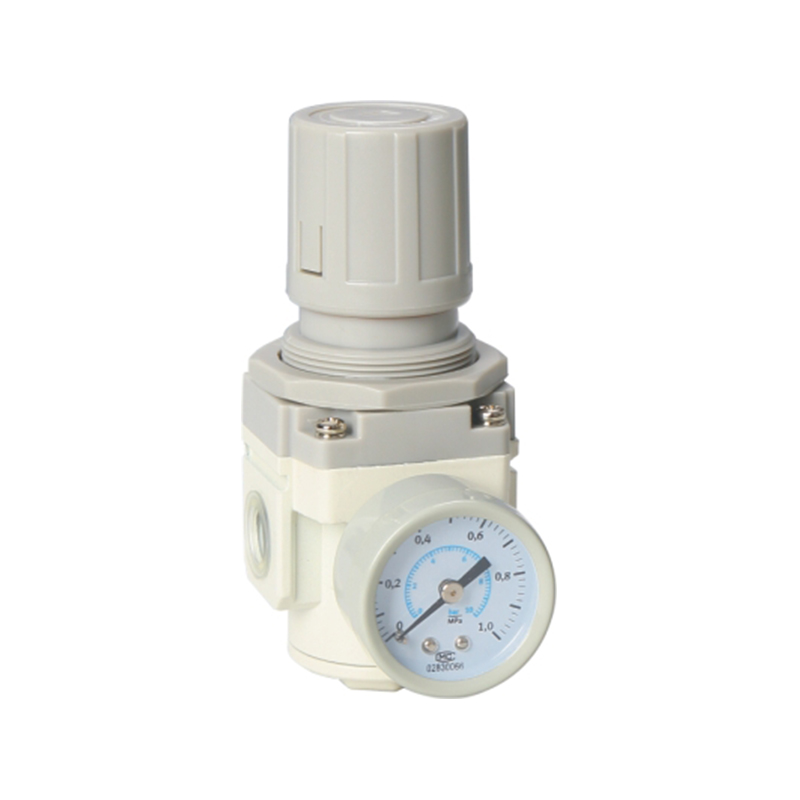
The regulator adjusts the air pressure to a suitable level for the equipment.
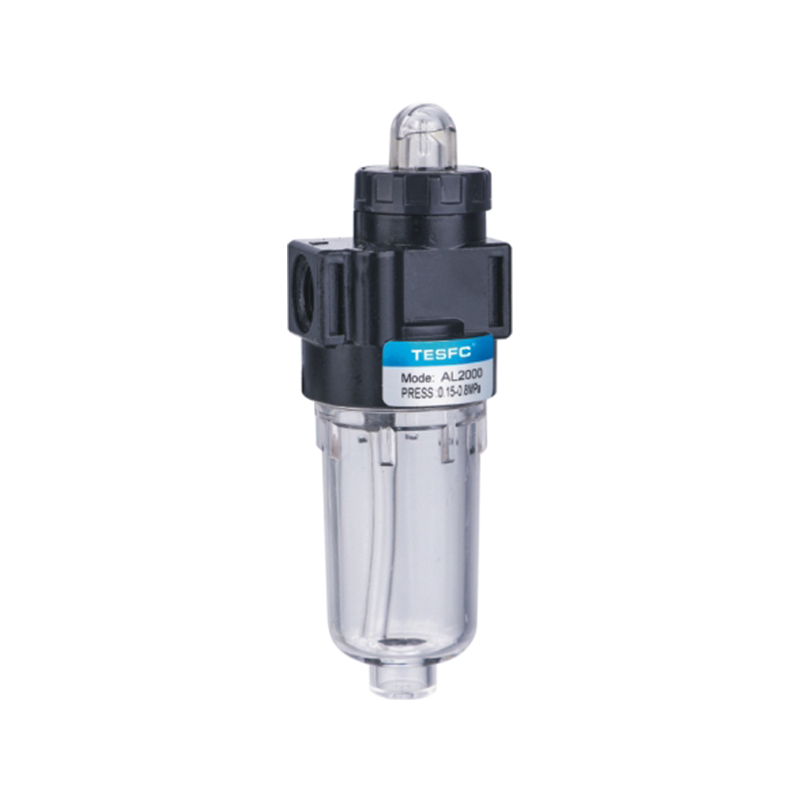
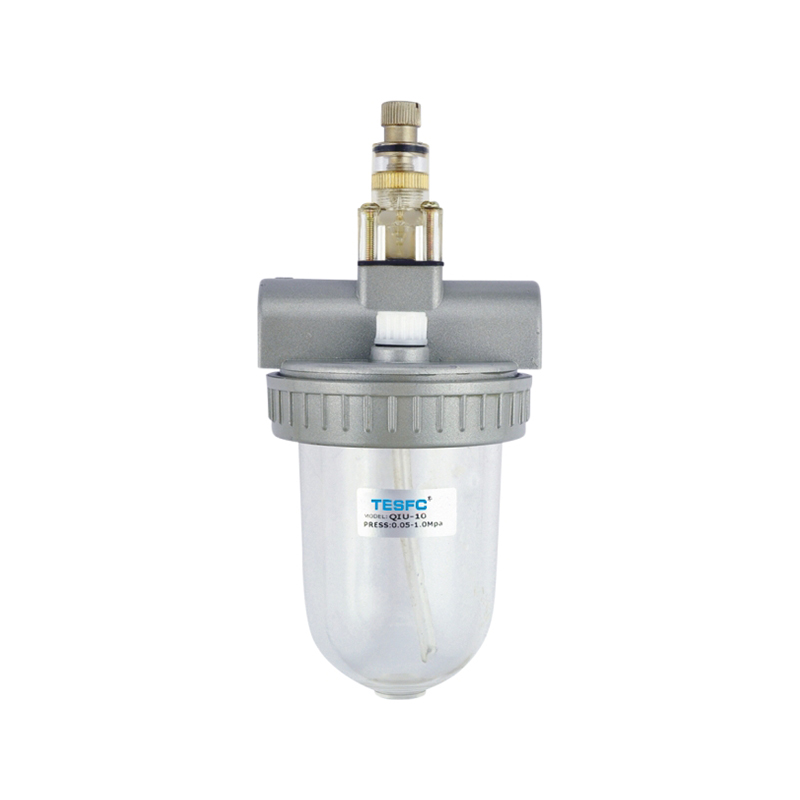
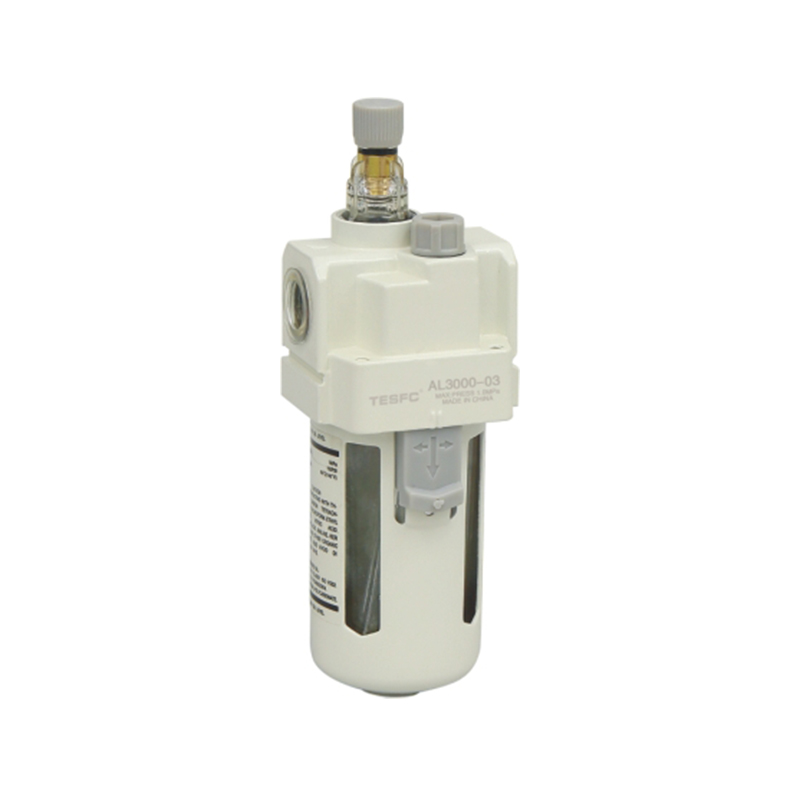
The lubricator adds a controlled oil mist when downstream devices require lubrication.
The filter bowl collects water and contaminants, which can be discharged manually or automatically.
Together, this process keeps pneumatic performance stable and cuts down significantly on unexpected failures traced back to poor air quality.
Air Source Treatment Components protect the entire pneumatic circuit by improving air quality, stabilizing pressure, and making maintenance more predictable. In real automation equipment, that means fewer avoidable failures and more consistent motion control.
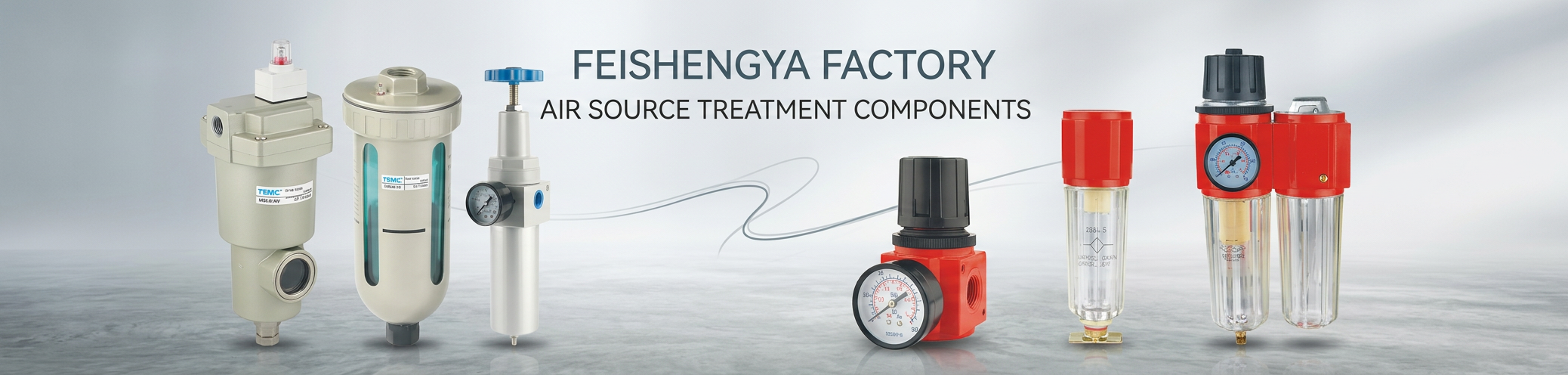
Clean compressed air isn't a nice-to-have in pneumatic systems — it's foundational to reliability. Strip out moisture, dust, and oil particles, and an Air Source Treatment Component ends up doing exactly what it's meant to: shielding sensitive downstream devices from contamination before it ever becomes a problem.
That protection matters most for:
Cleaner air pays off over time, too — internal wear drops off, and equipment behavior stays noticeably more stable as the cycles add up.
Most pneumatic equipment wants a specific operating pressure, and straying from it in either direction tends to cause trouble — excessive or unstable pressure can throw off cylinder force, valve response, product positioning, and even machine safety.
An integrated regulator earns its place by delivering:
Stable pressure carries extra weight in automated equipment specifically, where repeatable motion and precise timing aren't optional.
Poor air quality has a way of causing real damage — rust, seal aging, valve blockage, and internal friction all trace back to contamination that never should have gotten through. Air source treatment tackles this at the source, controlling contamination before it reaches the components that matter most.
That protection extends to:
Better protection tends to show up in fewer service interruptions and stronger long-term system reliability.
A modular design underpins many Air Source Treatment Components, letting filters, regulators, lubricators, and accessories be assembled to fit whatever the equipment actually requires.
That flexibility brings genuine benefits:
Where panel or machine space runs tight, compact air preparation units are what keep installation complexity from spiraling.
Transparent or semi-transparent bowls let operators keep an eye on water accumulation and filter condition without any guesswork, while manual or automatic drain options handle condensate removal from there.
Maintenance-friendly features worth noting:
Stay on top of regular maintenance, and air preparation performance holds steady — contamination stays out of downstream circuits where it belongs.
Get the Air Source Treatment Component selection right, and the payoff shows up directly — pressure loss drops, air flow stability improves, and unnecessary leakage from damaged pneumatic parts becomes far less likely.
System efficiency ultimately rests on:
Match the air preparation unit correctly from the start, and pneumatic equipment runs with noticeably better consistency, all while wasting less energy along the way.
Selecting an air preparation unit means matching flow capacity, filtration accuracy, pressure range, drainage method, environmental conditions, and lubrication needs to the actual equipment. A good match protects downstream components without creating unnecessary pressure loss or maintenance burden.
Getting port size right means matching it to the actual air flow demand of the pneumatic system — go too small, and pressure drop tends to creep in during machine operation; go too large, and installation space and cost climb without any real benefit to show for it.
Common selection considerations include:
Nail the flow capacity, and pressure stays stable even when demand peaks.
Filtration accuracy is essentially about particle size — how small a contaminant the system manages to strip out of the compressed air. General pneumatic systems can usually get by with standard filtration, while precision applications tend to demand something finer.
Selection should weigh:
For systems running vacuum generators, precision valves, or other delicate pneumatic components, cleaner air translates fairly directly into steadier operation.
The regulator needs to cover the input and output pressure range the application actually calls for — and that range shifts from machine to machine, depending on cylinder bore, load, speed, and control requirements.
Most pneumatic systems settle into common industrial pressure ranges, but it's still worth checking equipment-specific requirements before locking in a regulator choice.
Moisture and impurities accumulate in filters as a matter of course during operation, and how that gets drained shapes both maintenance convenience and system reliability.
Common options include:
Automatic drainage earns its keep particularly well when a system runs continuously or when maintenance access is hard to come by.
The filter bowl and body material should reflect the environment it's actually working in — oil, chemicals, moisture, vibration, and mechanical stress all take a toll differently, and durability matters more in some settings than others.
Selection factors include:
In particularly demanding industrial environments, a protective bowl guard can add another layer of security.
Not every pneumatic system wants lubrication — some need it, others need to stay strictly oil-free, and adding oil mist to a system that shouldn't have it risks compromising product cleanliness or damaging downstream components.
Before settling on an FRL unit with lubricator, it's worth confirming:
Getting lubrication selection right heads off unnecessary contamination and avoids component mismatches down the line.
Air Source Treatment Components are used wherever compressed air quality and pressure stability affect equipment performance. They protect pneumatic circuits in automation systems, packaging lines, workstations, machinery manufacturing, and more.
Automation machines lean on Air Source Treatment Components to keep clean, regulated air flowing to cylinders, solenoid valves, grippers, rotary actuators, and vacuum systems alike.
That preparation does real work in continuous operation — motion control stays stable, and contamination-related failures drop off considerably.
Packaging machines juggle pneumatic cylinders, vacuum pick-up systems, cutting mechanisms, and sealing units all at once, and it's clean, stable compressed air that keeps movement accurate and machine rhythm consistent throughout.
That shows up across:
Clamping, pressing, positioning, lifting, and tooling operations in automotive assembly all rely on pneumatic components doing their job reliably, and air source treatment is what keeps pressure stable while protecting those devices through countless repetitive production cycles.
Dust and fibers come with the territory in textile equipment, which makes air filtration especially valuable — it keeps those contaminants from working their way into valves and cylinders where they'd otherwise cause trouble.
That protection matters across:
Machine tools and general industrial equipment depend on Air Source Treatment Units to prepare compressed air for clamping, actuation, cleaning, and auxiliary control systems.
Stable air preparation pays off in equipment repeatability, and it keeps internal pneumatic circuits protected along the way.
Workstations and pneumatic control panels commonly get their own dedicated air treatment units, regulating branch pressure and keeping local pneumatic circuits protected right where they're needed most.
That setup fits naturally into:
Feishengya treats air source treatment as a system-level requirement, not just an accessory choice. Clean, regulated compressed air directly affects cylinder motion, valve response, vacuum performance, sealing life, and overall automation reliability.
Zhejiang Feishengya Pneumatic Components Co., Ltd. builds its focus around cylinders, solenoid valves, mechanical valves, vacuum generators, and air preparation units — and that product background turns out to matter a great deal, because it's exactly what gives Feishengya a genuine understanding of how air quality ripples through an entire pneumatic circuit.
Air Source Treatment Components never operate in isolation, no matter how they might look on a shelf; they shape the performance of valves, cylinders, actuators, and vacuum devices directly. Feishengya's broader pneumatic system knowledge is what makes practical matching possible across such a wide range of equipment applications.
No two machines want the same air treatment setup. Some get by with a simple filter regulator, while others need a full FRL combination to function properly. Some applications demand oil-free air outright, while others rely on carefully controlled lubrication to keep running smoothly.
Feishengya guides selection around a full set of real-world factors:
That approach keeps selection grounded in actual operating conditions, rather than leaving users to guess based on model appearance alone.
Feishengya brings research, production, processing, technical service, and international market support together under one roof, relying on processing equipment, inspection methods, CAD, SOLIDWORKS, and ERP management to keep product development and production control tightly aligned.
For Air Source Treatment Components specifically, stable manufacturing shows up in details that matter more than they might seem to at first glance:
Backing all of this is ISO9001 quality management system certification, which supports standardized production and quality control across the company's pneumatic components.
Feishengya's Air Source Treatment Components find their way into automation equipment, packaging machinery, assembly lines, pneumatic workstations, textile equipment, automotive fixtures, and general industrial machines alike.
As an Air Source Treatment Unit manufacturer, Feishengya keeps its priorities clear — reliable compressed air preparation, practical pneumatic compatibility, and a stable product supply capability that industrial equipment applications can actually count on.

Phone: +86-15957736756
E-mail: [email protected]
Add: No.7, Yongxing Second Road, Chengdong Industrial Functional Zone, Chengdong Subdistrict, Yueqing City, Zhejiang Province, P.R.China
Copyright © Zhejiang Feishengya Pneumatic Components Co., Ltd. All Rights Reserved.
 Pneumatic Air Preparation Unit
 English
 русский
 عربى
عربى Español