/

/

Search
Category
Hot Products
Pneumatic components are what actually make a compressed air system do useful work — controlling movement, directing airflow, holding pressure steady, and keeping every connection point sealed properly. The category covers cylinders, solenoid valves, pneumatic fittings, air preparation units, tubing, flow control valves, plus the smaller accessories that tie a circuit together. You'll find these parts running inside automation equipment, packaging machines, assembly stations, textile production lines, food processing setups, and just about any general industrial machine that relies on air power. But here's the thing — none of these components perform well in isolation. Smooth motion, low leakage, and efficient day-to-day operation only happen when actuators, valves, fittings, tubing, and air treatment units are properly matched within the same system, rather than selected piece by piece without much thought to how they'll work together.
Feishengya Pneumatic Components manufactures pneumatic parts in China, with a practical focus on solving real industrial air-control problems rather than just producing catalog items. The company brings together years of production know-how, engineering support for circuit design, quality processes built into the manufacturing flow itself, and a broad enough product range to cover most of what a working air circuit needs. That combination is what allows machinery builders and automation teams to construct air systems that stay reliable under continuous use and remain easy to install on the shop floor.
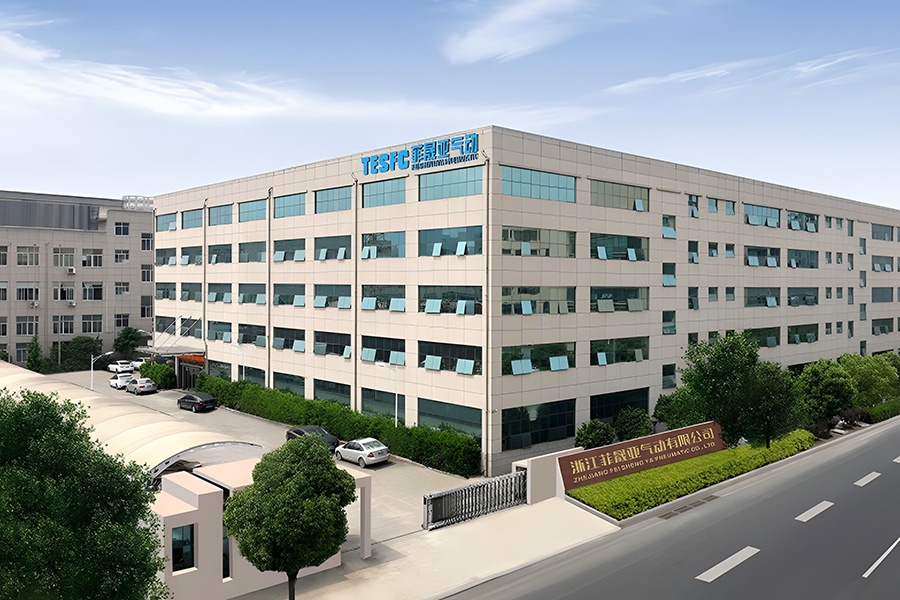
Zhejiang Feishengya Pneumatic Components Co., Ltd.
Zhejiang Feishengya Pneumatic Components Co., Ltd. is a pneumatic component enterprise that integrates scientific R&D, production and processing, operation and sales, technical services, import and export trade, and personnel training. It specializes in the production, processing, and sales of pneumatic components such as cylinders, solenoid valves, and Pneumatic Products.
The company has always adhered to serving society with practical quality, high-quality service, comprehensive technology, and reasonable prices, and is committed to striving to create a "Chinese famous brand".
Our company has nearly a hundred advanced processing pieces of equipment. There are currently 120 employees, including over 20 professional and technical personnel, with an annual production capacity of 500,000 pieces (sets) of various components. We have advanced production processes, complete testing methods and equipment, and a high-quality workforce. We organize production and sales with a practical and innovative concept, and have passed ISO9001 international quality management system certification. We use CAD, SOLIDWORKS, and ERP for engineering design and enterprise management. Continuously increasing product development efforts and investment, continuously upgrading and improving equipment and products to meet customer needs with higher cost-effectiveness, and providing high-performance products and convenient and fast services to new and old users anytime, anywhere.
China Pneumatic Manufacturer - Feishengya Pneumatic adheres to the principles of "strict production, scientific management, continuous improvement, and stable quality with a rigorous and down-to-earth work style, a pioneering spirit of self-improvement, an honest and down-to-earth management style, and first-class production technology. Relying on the increasingly mature market system and flexible industry mechanisms, we adhere to the development path of technology oriented, outward oriented, and comprehensive, and provide more and better quality services for various industries.
All employees of Zhejiang Feishengya Pneumatic Components Co., Ltd. sincerely welcome friends from all industries to visit, exchange ideas and cooperate with us.
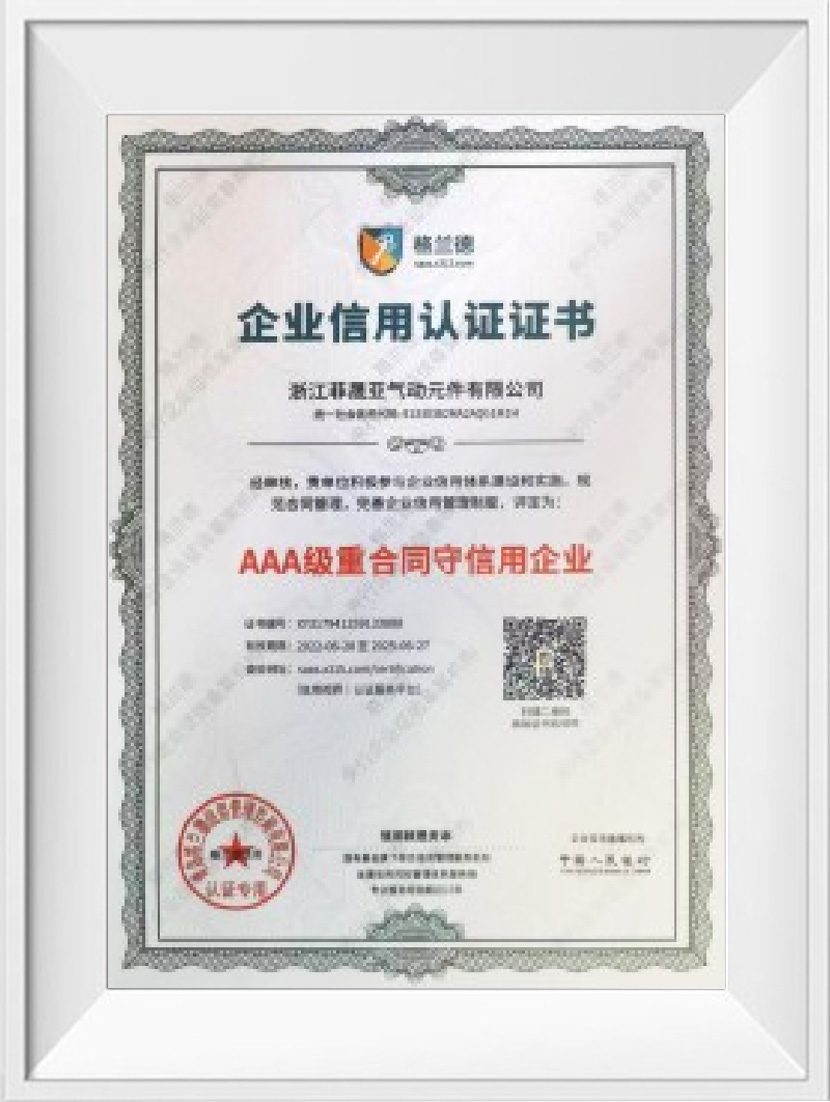
Certificate
Certificate-cs
Certificate-cs
Certificate-cs
Our LATEST NEWS
Pneumatic products are mechanical and control parts that rely on compressed air to create, direct, transmit, and regulate force or movement inside industrial equipment. Automation systems favor them for a simple reason — compressed air stays clean, reacts quickly, works safely across many factory environments, and doesn't demand heavy upkeep compared to other power sources.
Inside a working pneumatic system, cylinders, solenoid valves, pneumatic fittings, air preparation units, tubes, flow control valves, and silencers all operate as one network, handling linear movement, rotation, gripping, positioning, clamping, sorting, and part transfer. Machine builders and engineering teams often find that the components they pick determine how stable a machine runs, how fast it responds, how much energy it burns, and how long it keeps working without trouble.
Pneumatic products draw their power from compressed air instead of electricity or hydraulic fluid. Once that air gets pressurized, it becomes the working medium — pushing actuators through their stroke, flipping valves between positions, and carrying out the mechanical control work that keeps a system moving.
These parts typically take care of tasks such as: 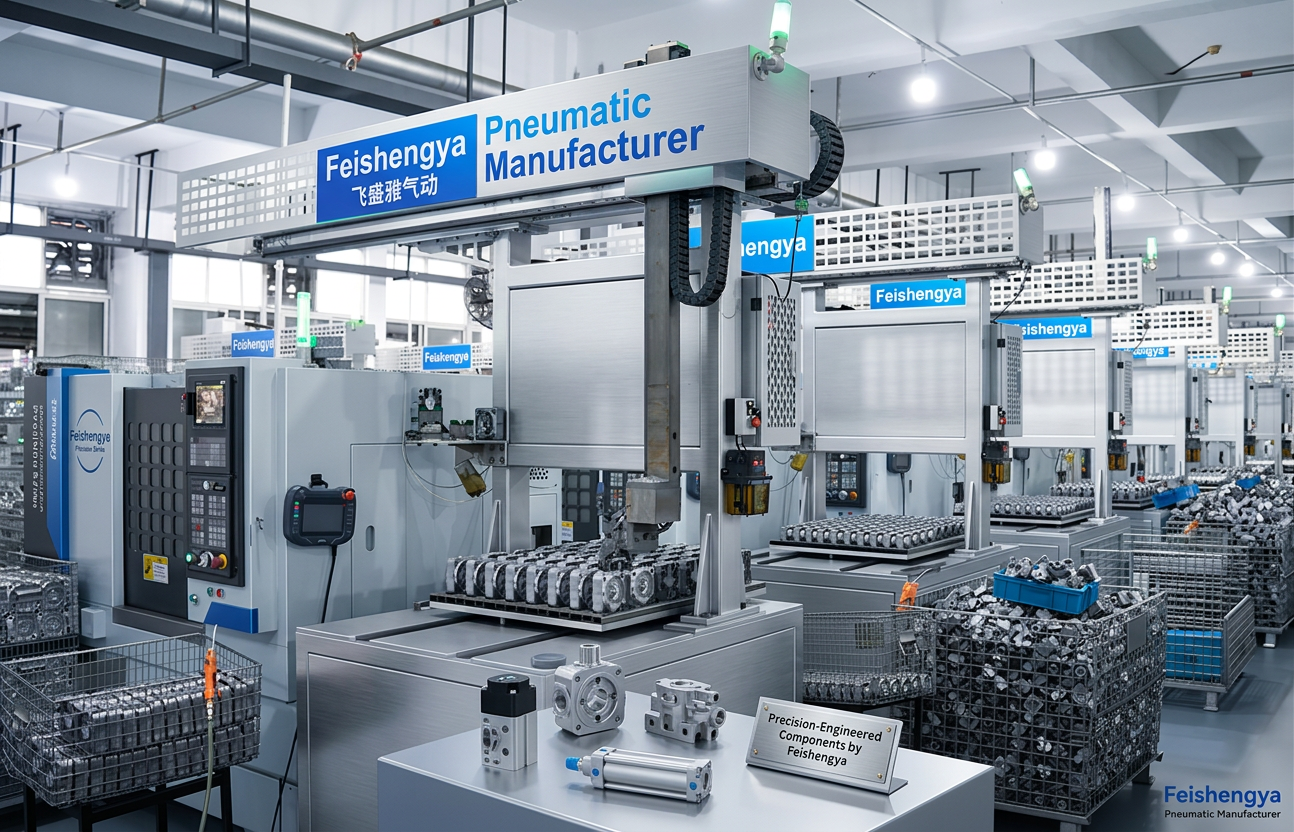
A standard pneumatic product lineup includes items such as:
Each of these parts serves a distinct purpose on its own, but consistent performance only shows up once they're matched properly against everything else in the circuit.
Together, pneumatic products make up the functional backbone of any air-driven automation setup. An air compressor generates the raw supply, air preparation units clean and stabilize it, valves take over directional control, tubes and fittings carry it where it needs to go, and cylinders finally turn that pressure into usable mechanical force.
A pneumatic system generally moves through these stages:
Pick the wrong part anywhere in that chain, and the whole system pays for it. A few examples worth noting:
That's exactly why a dependable Pneumatic Manufacturer needs more than knowledge of individual parts — real understanding of how the entire circuit behaves under actual working conditions matters just as much.
Which components suit a particular pneumatic system comes down to the type of motion needed, how that motion gets controlled, how much room is available, what the surrounding environment looks like, and how frequently the cycle repeats.
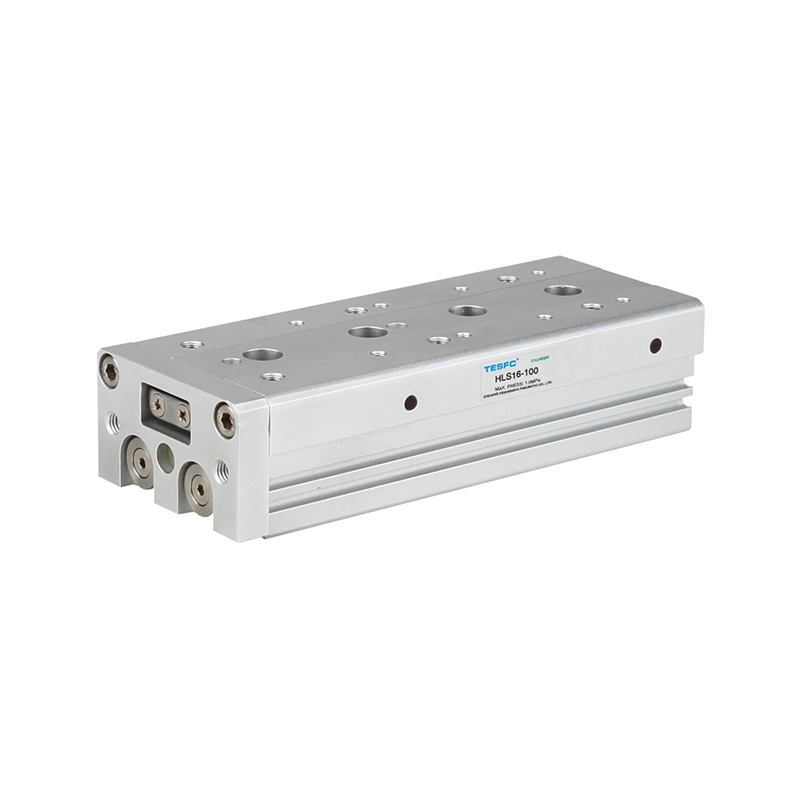
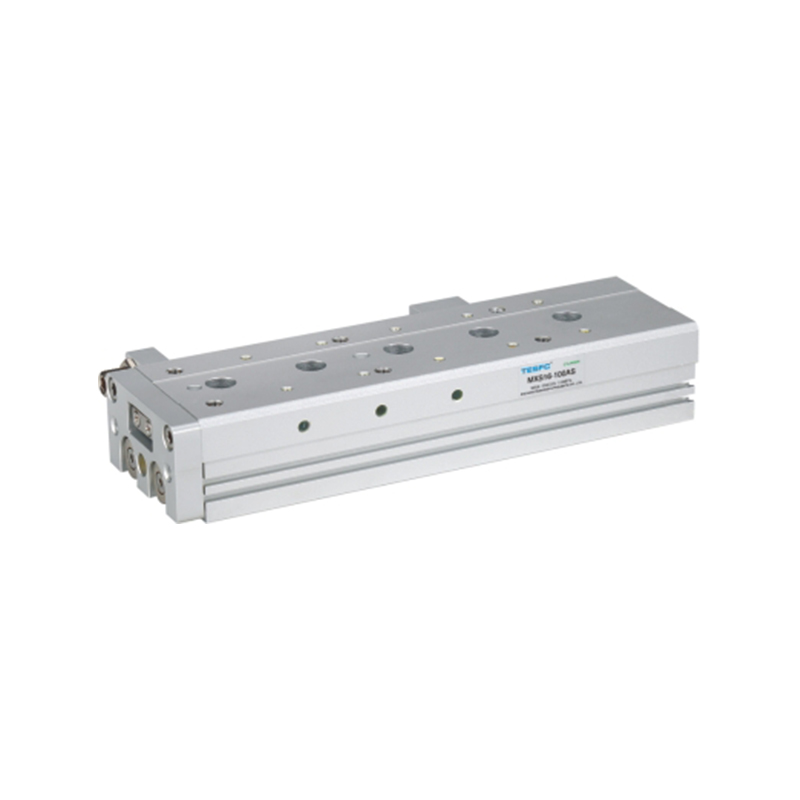
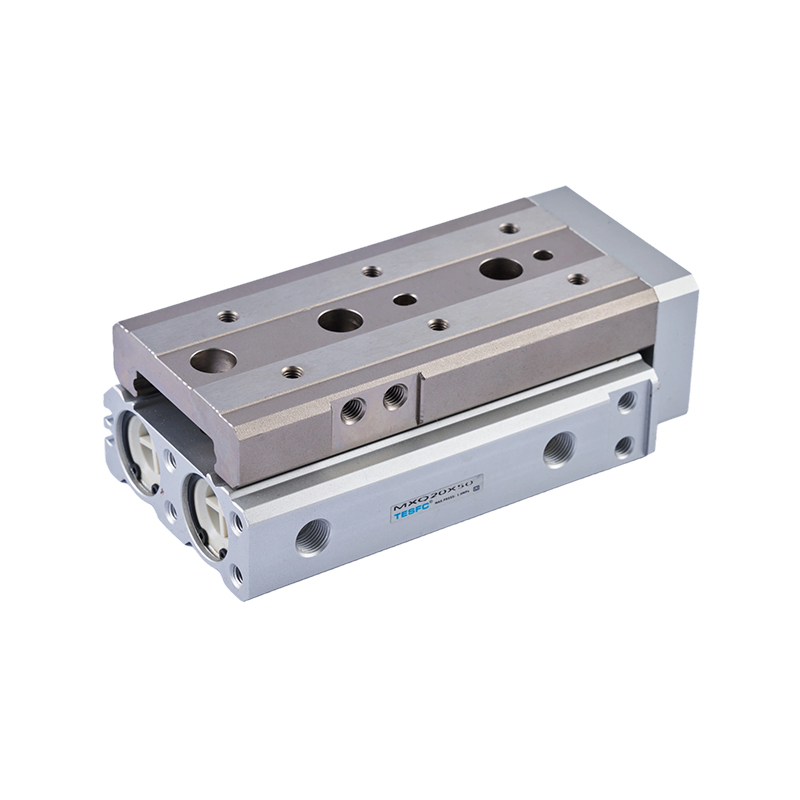
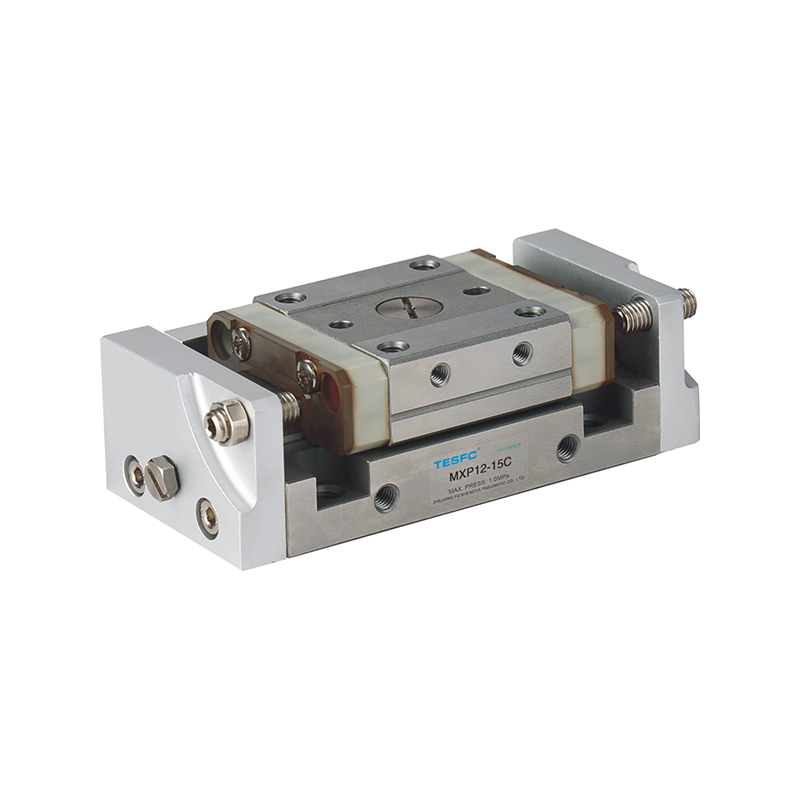
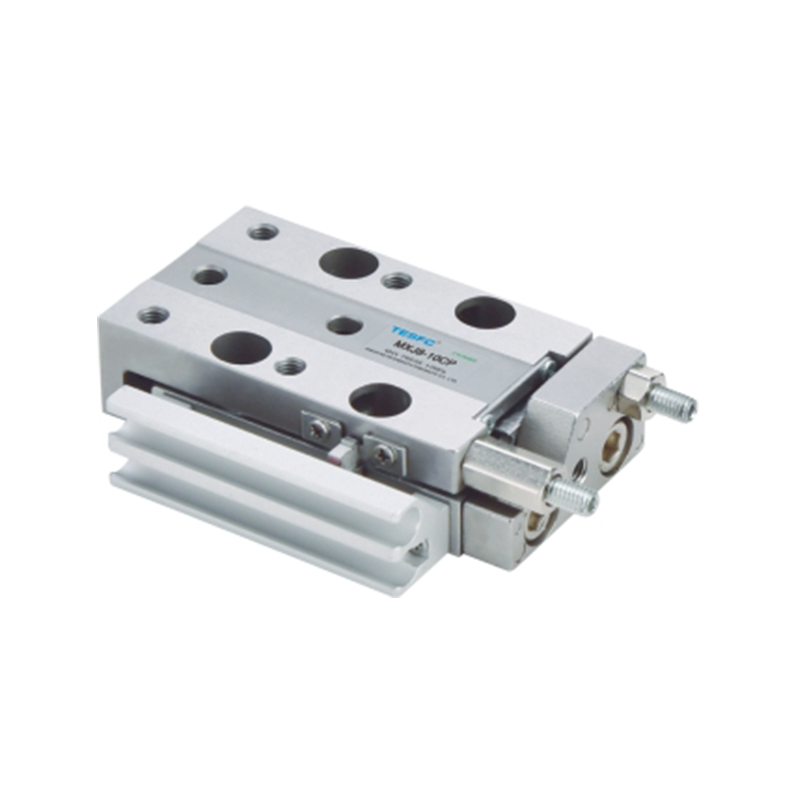
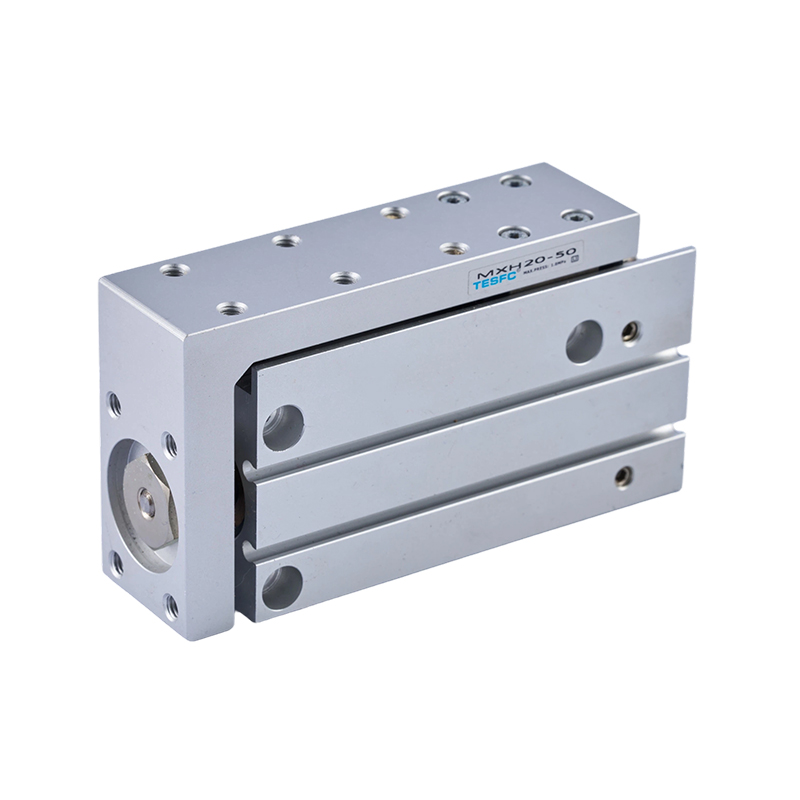
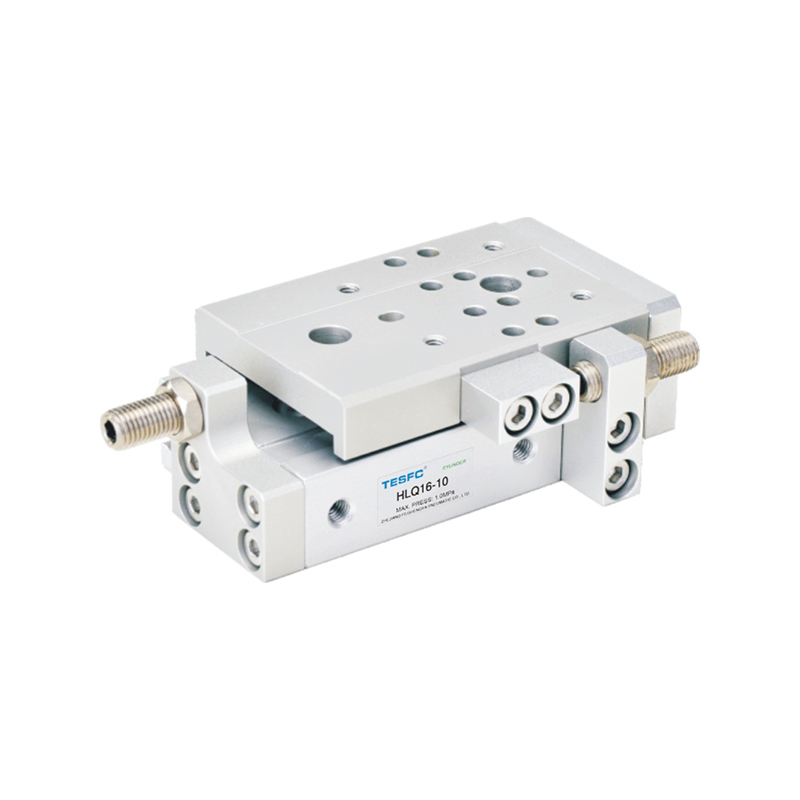
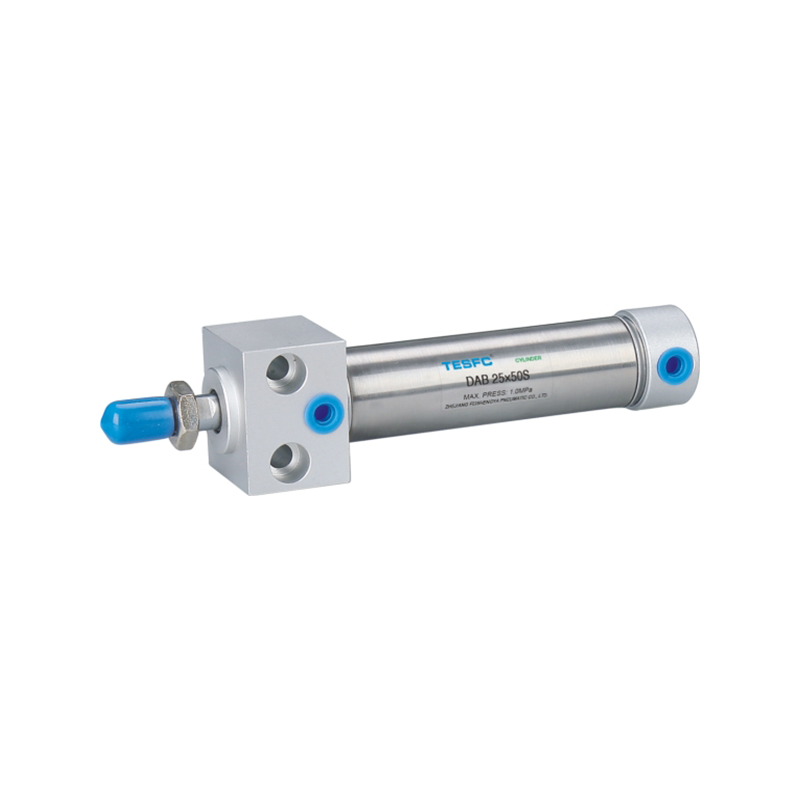
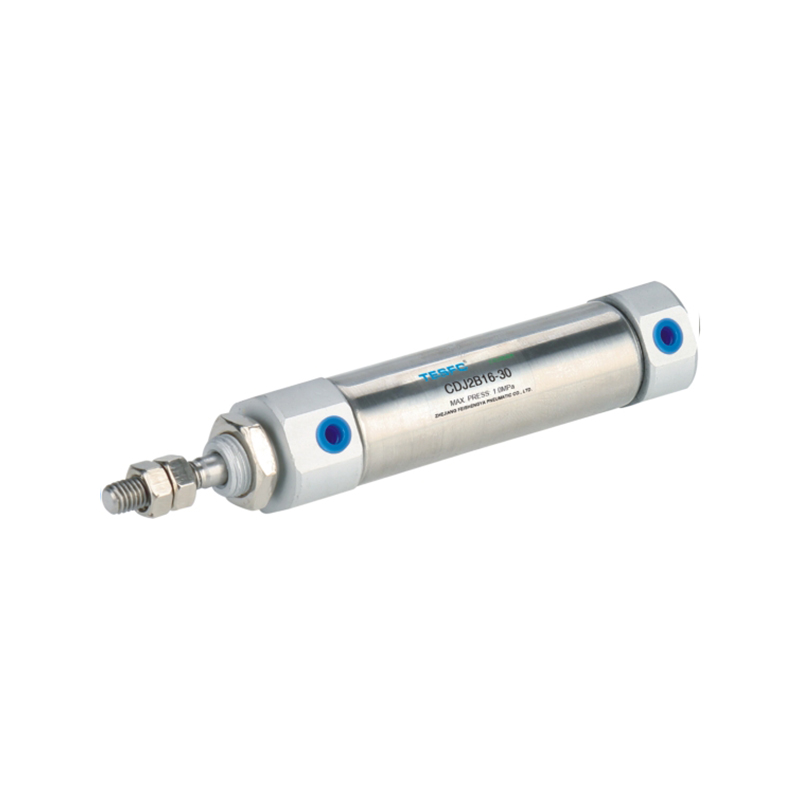
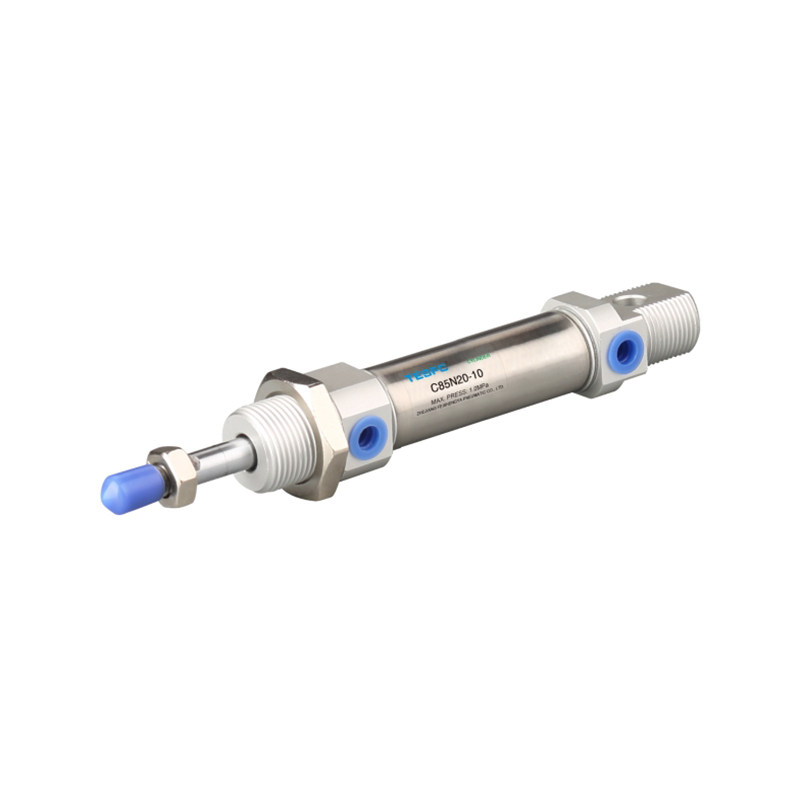
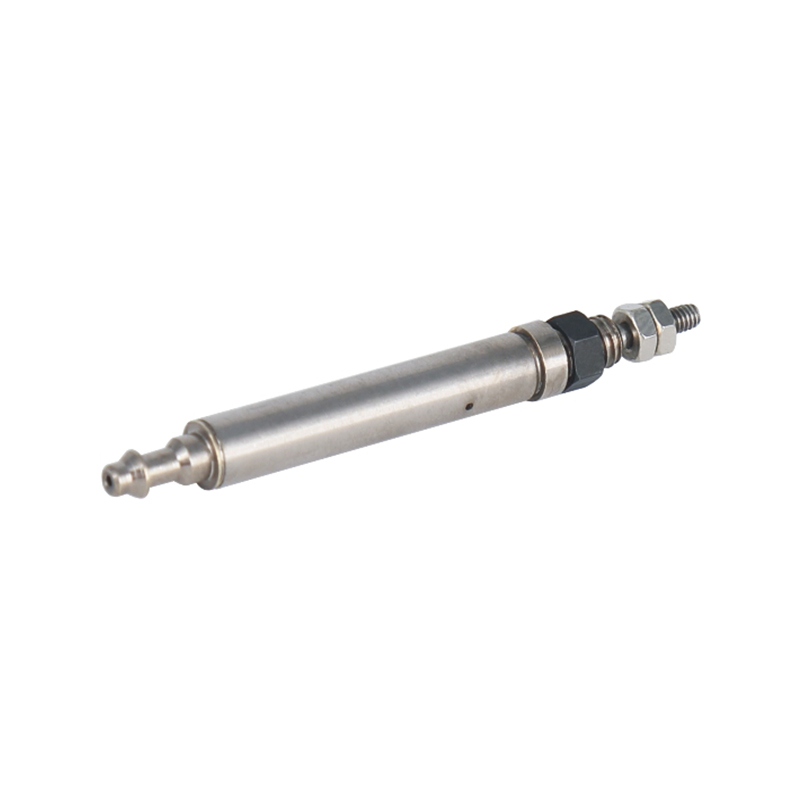
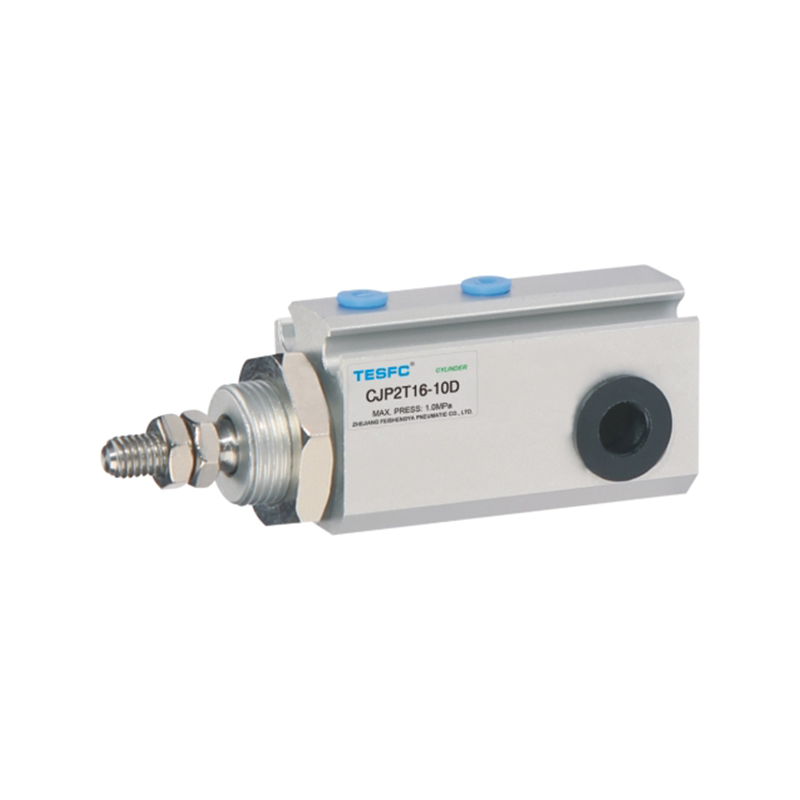
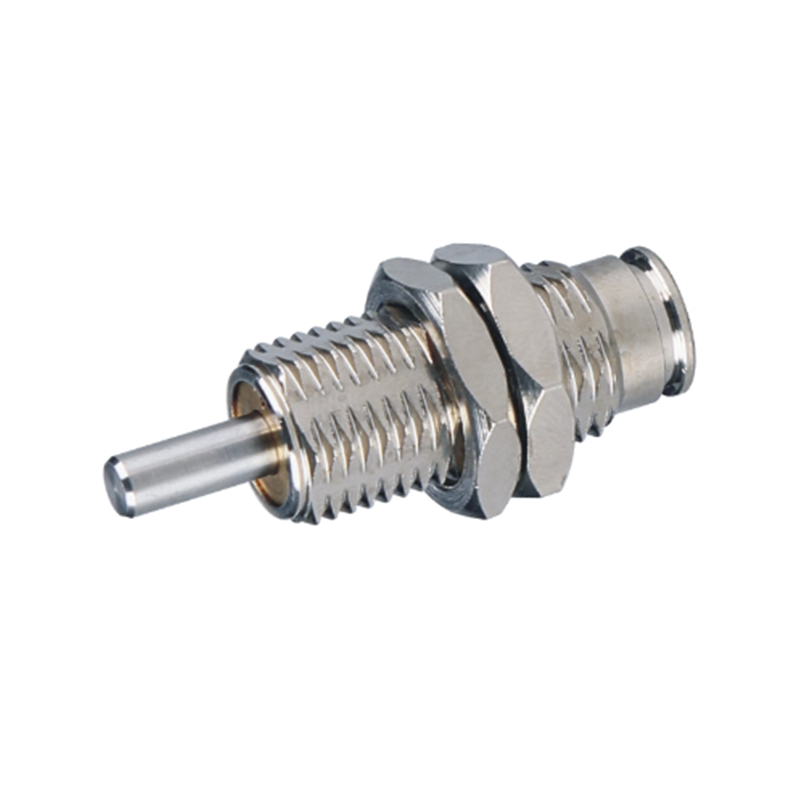
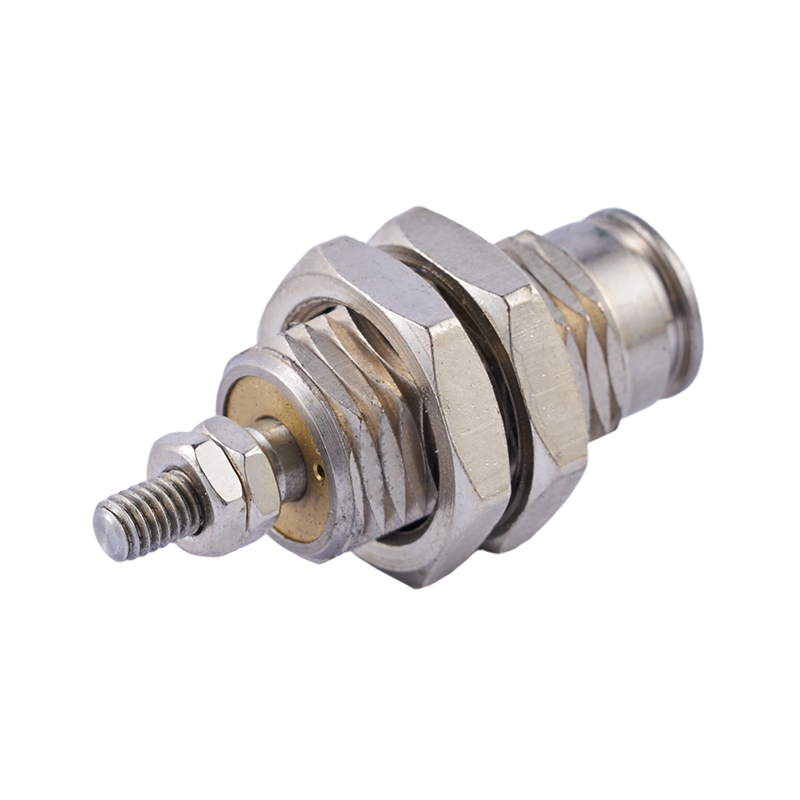
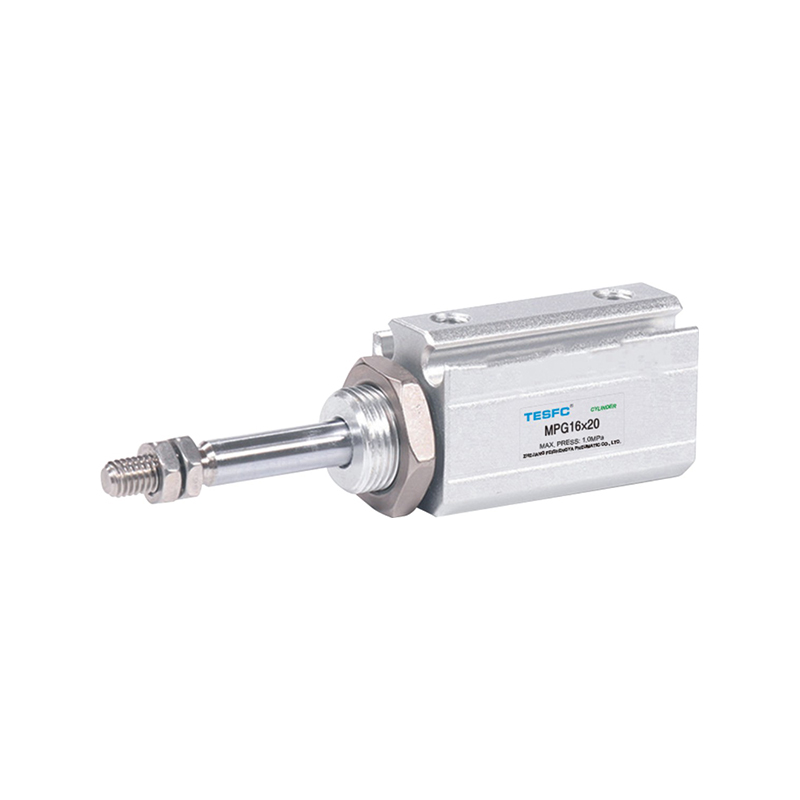
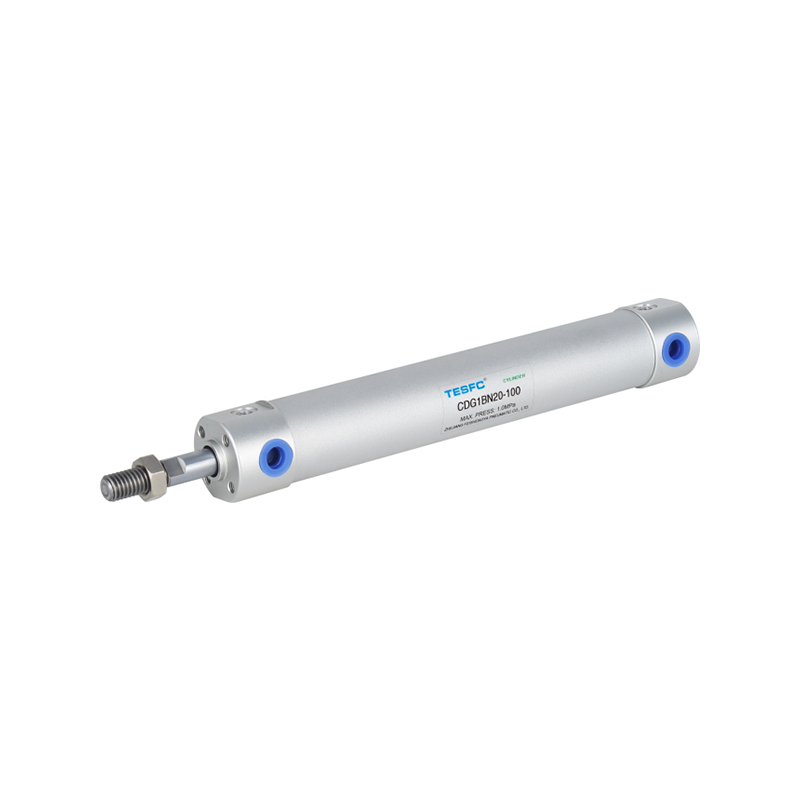
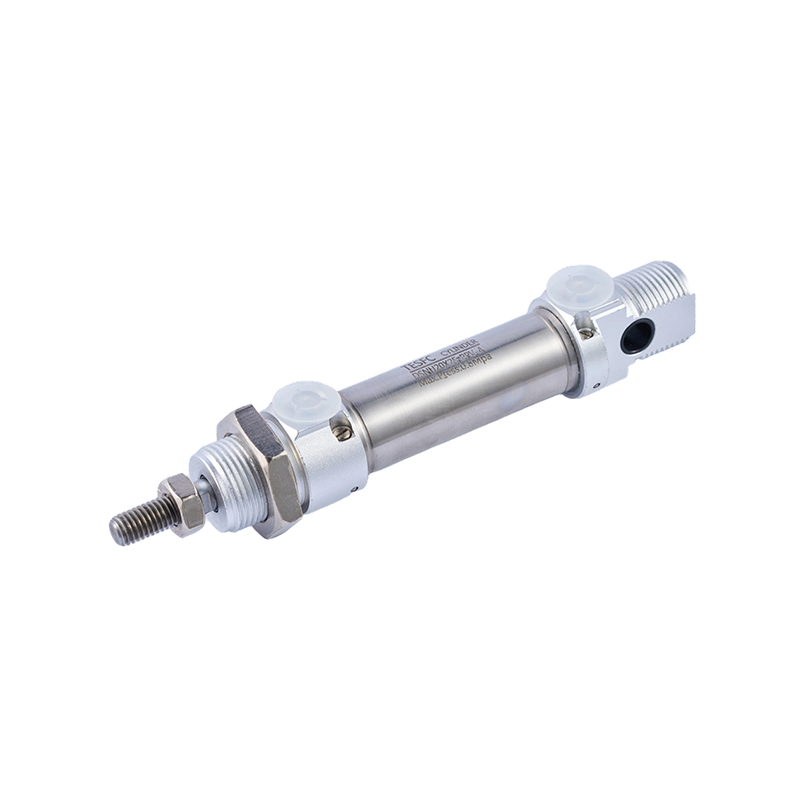
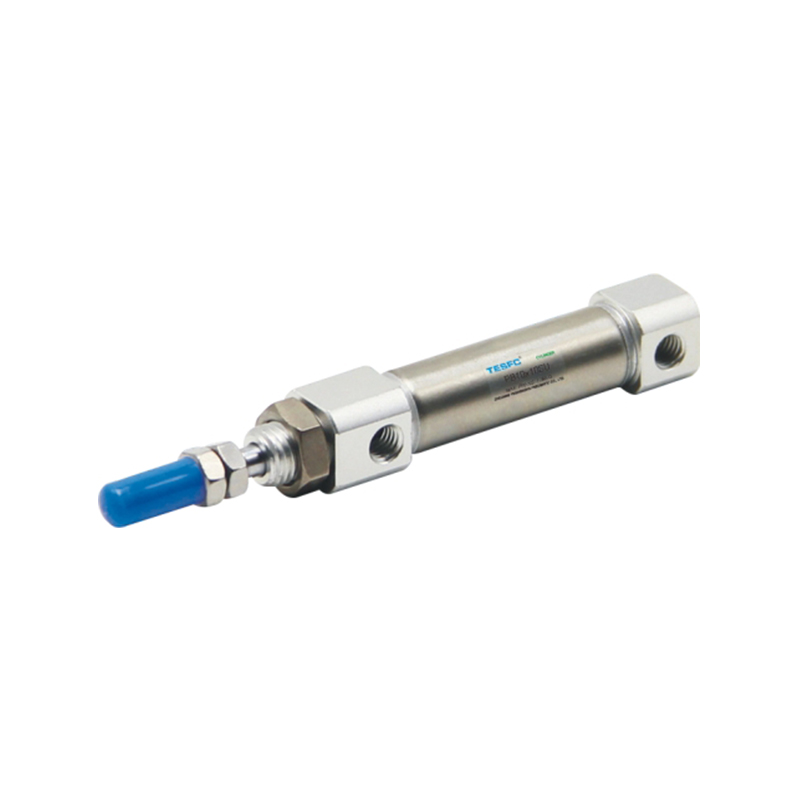
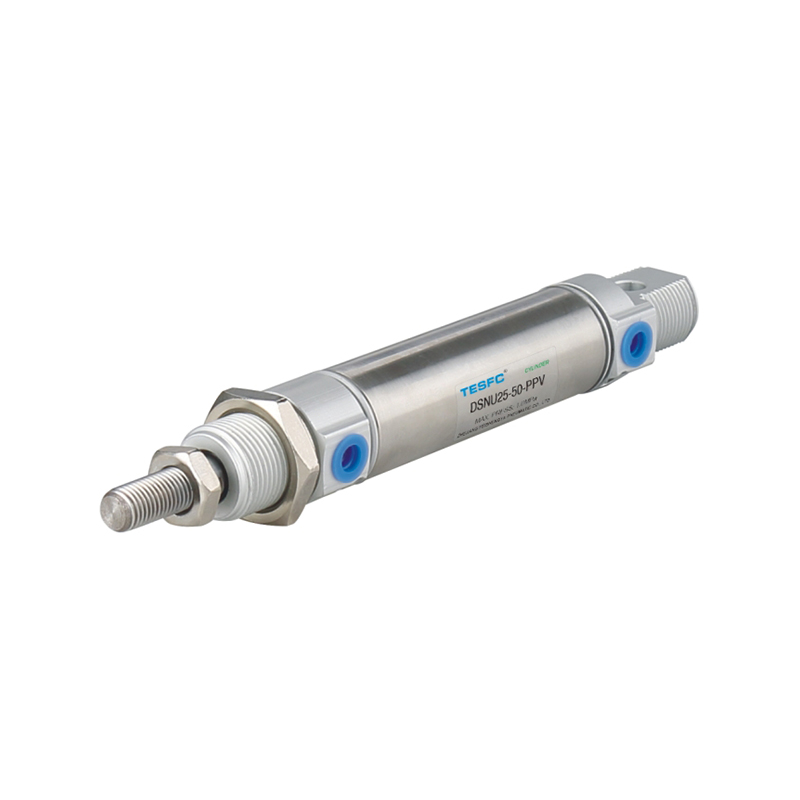
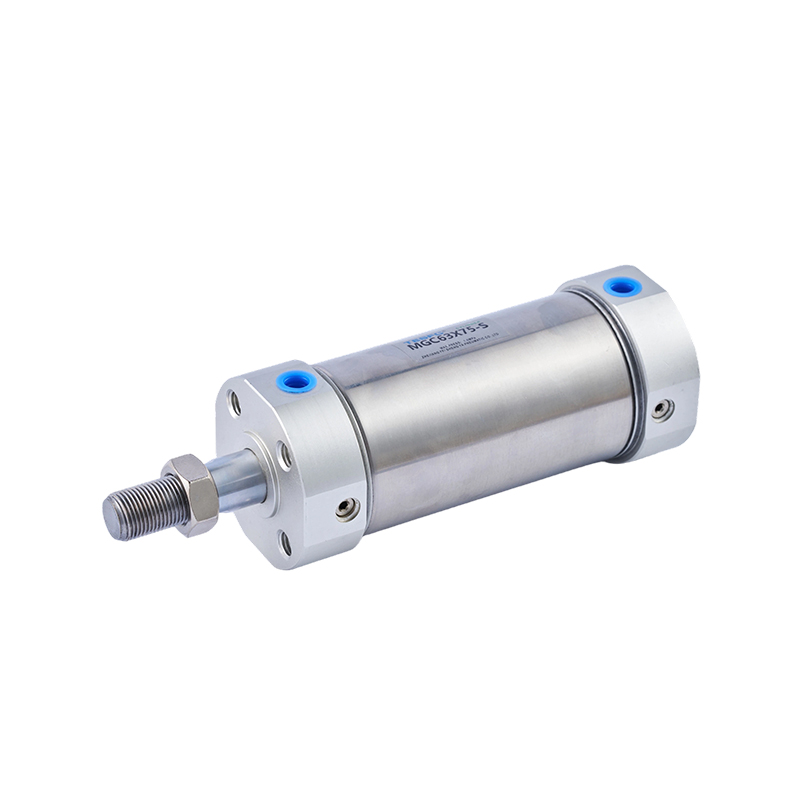
Cylinders take compressed air and convert it into straight-line movement, which is exactly why they end up handling pushing, pulling, lifting, pressing, clamping, and positioning work.
Common cylinder variations include:
Solenoid valves respond to electrical signals to control where air flows next, so they fit naturally into automated equipment, PLC-driven processes, and any production line running on tight timing requirements.
Notable features tend to include:
Pneumatic Fittings keep tubes, valves, cylinders, and air preparation units connected, essentially acting as the connective structure of a circuit meant to resist leaks while staying easy to service down the line.
Common fitting styles include:
Air preparation units get compressed air cleaned up before it reaches a valve or actuator, which in turn shields everything downstream from contamination.
These typically cover:
Accessories fill in the remaining gaps of an installation, adding an extra layer of dependability to the system as a whole.
Common accessories include:
Despite differing in purpose, many pneumatic products end up built around a similar set of design fundamentals — how air moves through internal passages, how sealing gets handled, the mechanics behind actuation, connection points, and the control logic tying it all together.
A typical pneumatic cylinder gets assembled from:
The craftsmanship going into the barrel, piston rod surface, and seals directly shapes friction behavior, leakage tendencies, and ultimately how long the cylinder holds up under use.
Open up a solenoid valve, and you'll generally find:
How precisely the spool and internal sealing are machined ends up determining switching stability and how steady the airflow remains over time.
A push-in pneumatic fitting is typically made up of:
A properly made fitting allows a tube to slide in without resistance, locks in place securely, and holds its seal through cycle after cycle of pressure changes.
Filters and regulators generally consist of:
Stable pressure regulation shields every component further downstream and keeps the entire system behaving predictably as time goes on.
Any industry built around fast, clean, repeatable motion tends to find a natural home for pneumatic products.
Across automated production lines, pneumatic parts routinely take care of:
Cylinders, valves, and fittings show up throughout equipment such as:
Pneumatic products keep operation clean and repeatable in systems like:
In this setting, material selection, air cleanliness, and corrosion resistance carry more weight than they typically would elsewhere.
Within precision assembly and testing environments, pneumatic parts contribute to:
Here, compact dimensions, reliable response, and near-zero leakage aren't optional extras — they're baseline requirements.
Pneumatic systems generally take on:
Pneumatic components lend support to operations such as:
Most pneumatic system problems trace back to air leakage, contamination, poor component selection, or careless installation. The table below lays out typical issues alongside practical fixes.
| Fault | Possible Cause | Recommended Solution |
|---|---|---|
| Cylinder moves slowly | Low pressure, restricted fitting, small valve flow, blocked silencer | Check pressure, select correct port size, clean or replace silencer |
| Cylinder force is insufficient | Incorrect bore size, pressure loss, internal leakage | Recalculate force requirement, inspect seals, check air circuit leakage |
| Solenoid valve does not switch | Wrong voltage, coil failure, dirty spool, wiring issue | Confirm voltage, inspect coil, clean air supply, check electrical connection |
| Air leakage at fitting | Damaged tube end, worn O-ring, incorrect tube diameter | Cut tube squarely, replace fitting, use compatible tube |
| Unstable actuator movement | Moisture in air, pressure fluctuation, poor alignment | Improve air treatment, stabilize pressure, correct mechanical alignment |
| Excessive noise | Exhaust airflow too high, missing silencer, high impact speed | Install silencer, adjust flow control, use cushioning |
| Tube slips out | Tube not fully inserted, damaged gripping claw, wrong tube size | Reinsert tube correctly, replace fitting, verify tube specification |
| Valve response delay | Low pilot pressure, contaminated valve, undersized air path | Check pilot pressure, clean or replace valve, improve airflow capacity |
A logical troubleshooting sequence usually starts at the air source and works its way through filters, valves, fittings, tubes, and finally the actuators themselves.
Choosing the right components upfront tends to pay off in system stability and less maintenance headache later.
Things worth weighing when selecting pneumatic products:
Cylinders, valves, fittings, and tubes work when chosen as a complete circuit rather than picked one at a time without considering the rest.
A few things to keep in mind:
Zhejiang Feishengya Pneumatic Components Co., Ltd. operates as a China Pneumatic Manufacturer focused on pneumatic components for industrial automation and machinery applications. The company brings together product development, production processing, technical support, and export-related service under one roof.
Feishengya runs advanced processing equipment backed by real production experience across cylinders, solenoid valves, Pneumatic Fittings, and related accessories. Consistent machining and assembly practices help keep product quality steady across different application needs.
Design work leans on tools like CAD and SOLIDWORKS for structural optimization, while ERP systems keep production and management coordinated behind the scenes. ISO9001 certification backs up standardized process control, inspection routines, and ongoing improvement efforts.
Operating as both a Pneumatic Manufacturer and Pneumatic Supplier, Feishengya offers a practical spread of pneumatic products suited to automation equipment, packaging machinery, mechanical systems, and general industrial use. That range gives engineers what they need to build a full air circuit — from actuation and control through to connection and air treatment.
Feishengya keeps its focus on the details that actually matter in daily operation — sealing reliability, stable airflow, easy installation, and component compatibility. These factors carry real weight for equipment running long hours under frequent cycling and continuous production demands.

Phone: +86-15957736756
E-mail: [email protected]
Add: No.7, Yongxing Second Road, Chengdong Industrial Functional Zone, Chengdong Subdistrict, Yueqing City, Zhejiang Province, P.R.China
Copyright © Zhejiang Feishengya Pneumatic Components Co., Ltd. All Rights Reserved.
 Pneumatic Fittings Products
 English
 русский
 عربى
عربى Español