/

/

Search
Category
Hot Products
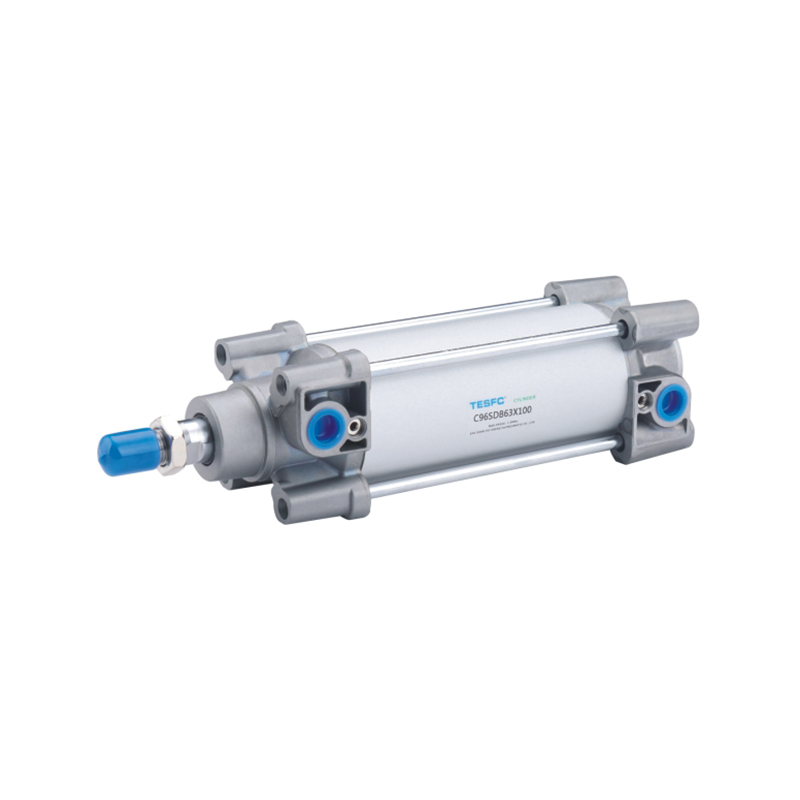
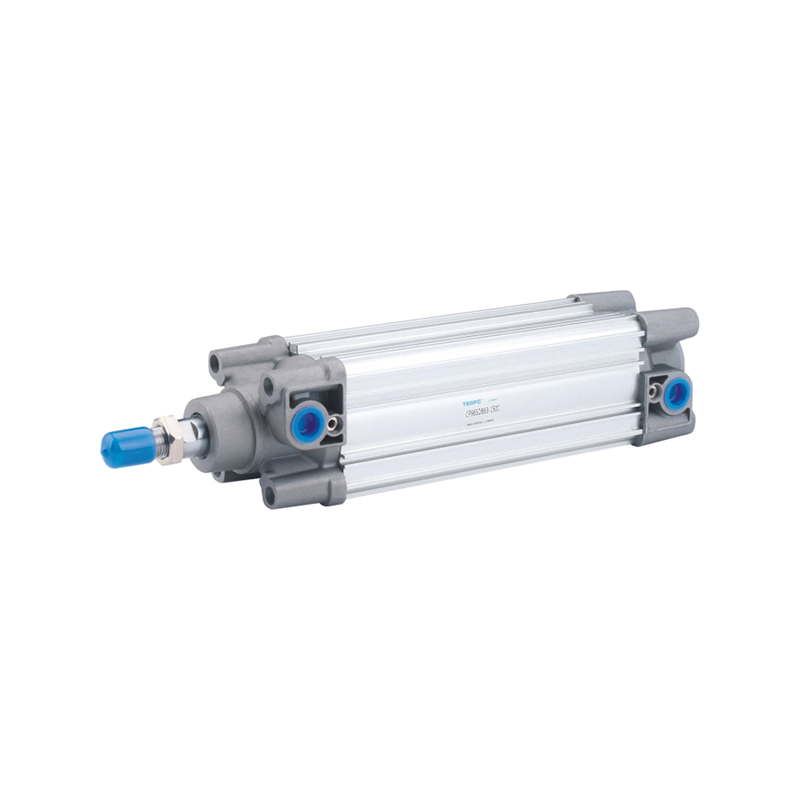
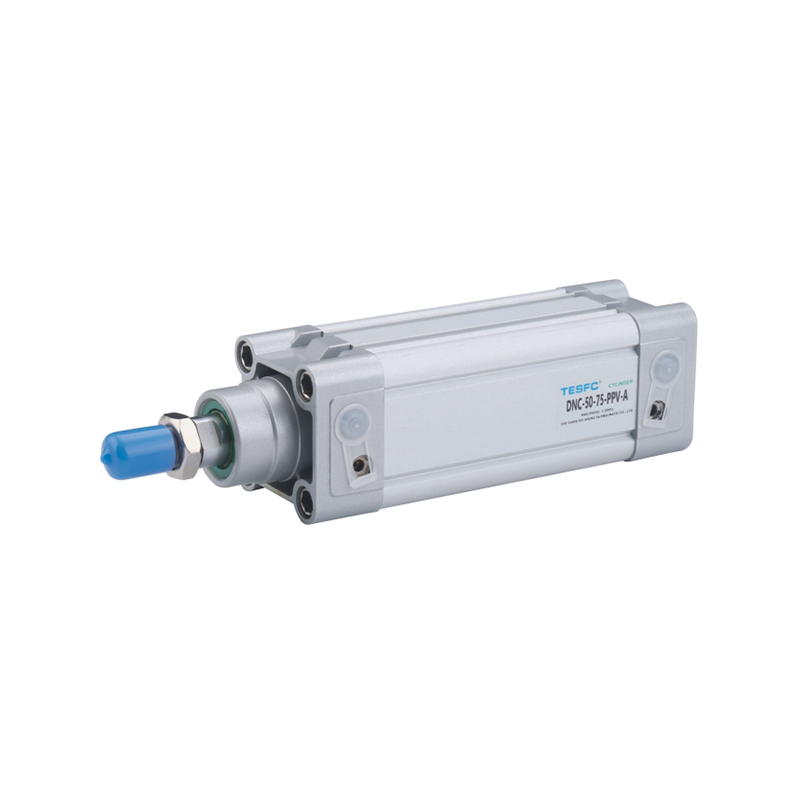
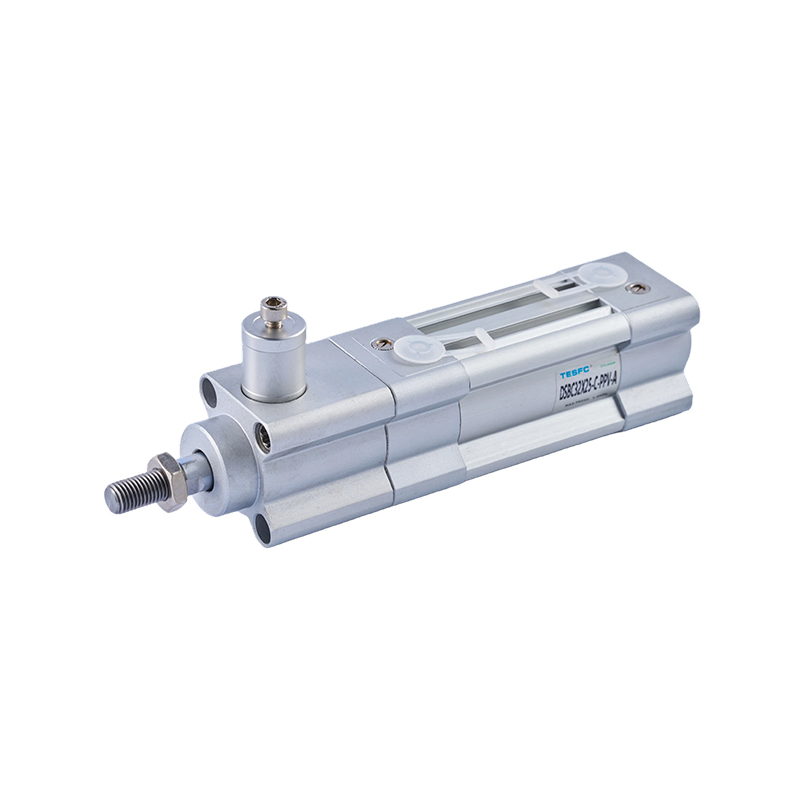
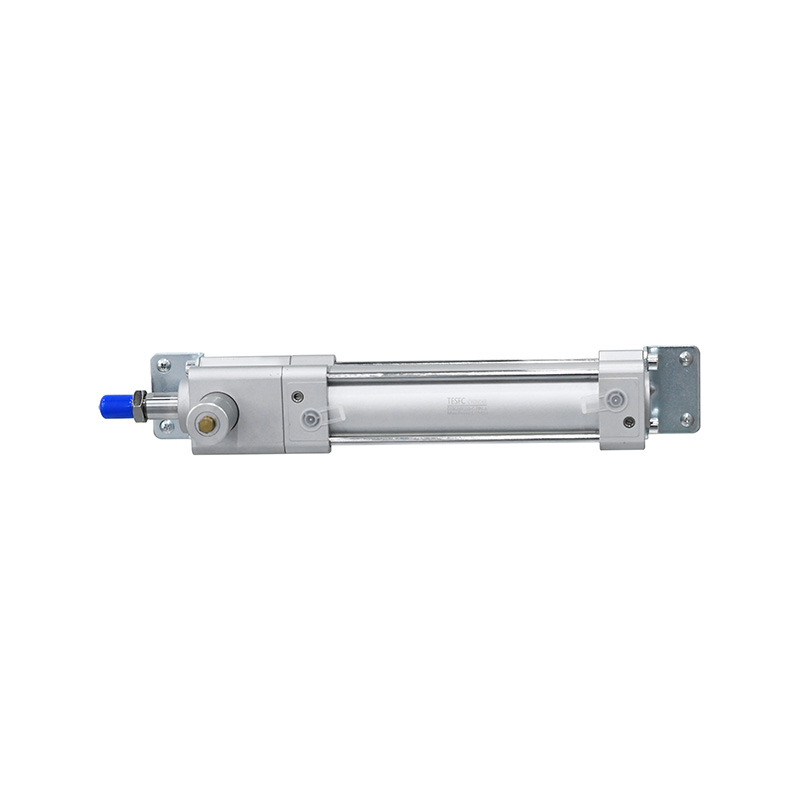
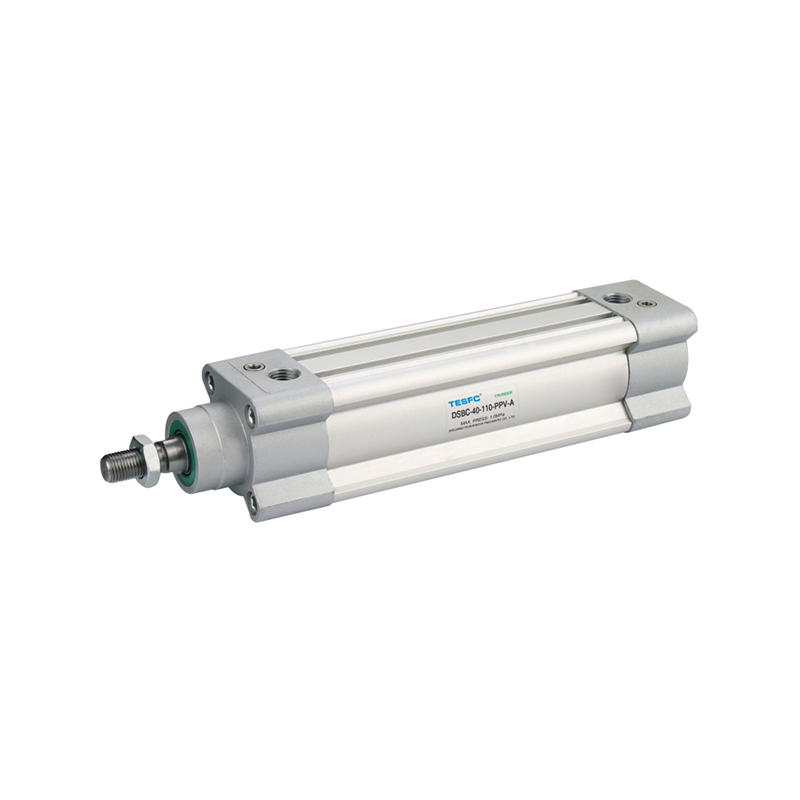
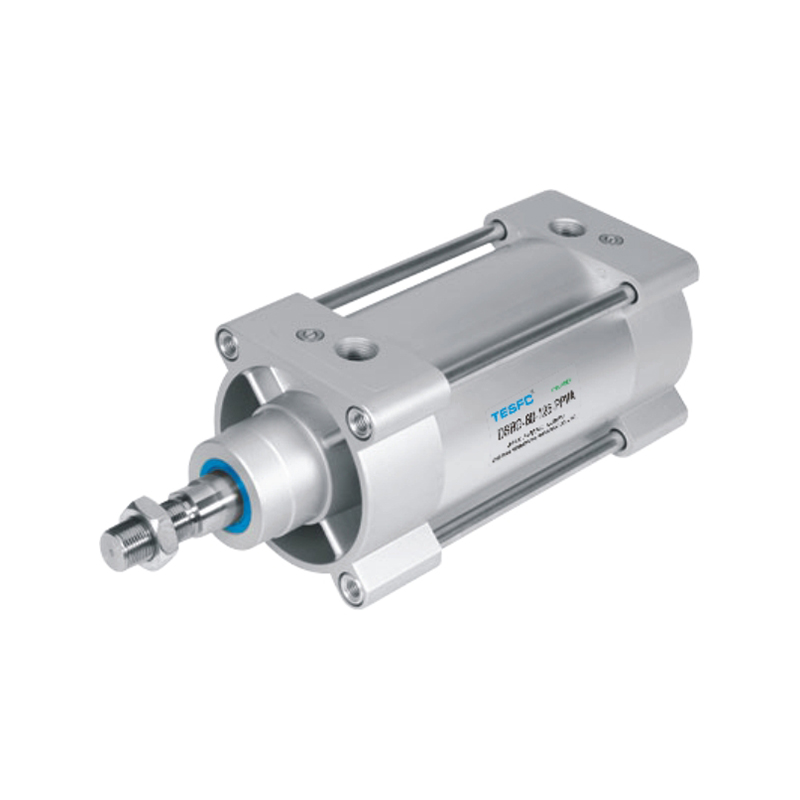
Air cylinders — often called Pneumatic Cylinders — serve as the core actuators that turn compressed air into precise, controlled linear movement. You'll find them working inside automation equipment, packaging machinery, assembly systems, automotive fixtures, textile machines, food processing equipment, and countless general industrial devices. A single air cylinder can push, pull, lift, clamp, press, eject, and position loads, all while keeping response times fast and control mechanisms simple. Getting the selection right means paying close attention to bore size, stroke length, mounting style, working pressure, load direction, speed, cushioning, and the conditions the cylinder will actually operate in.
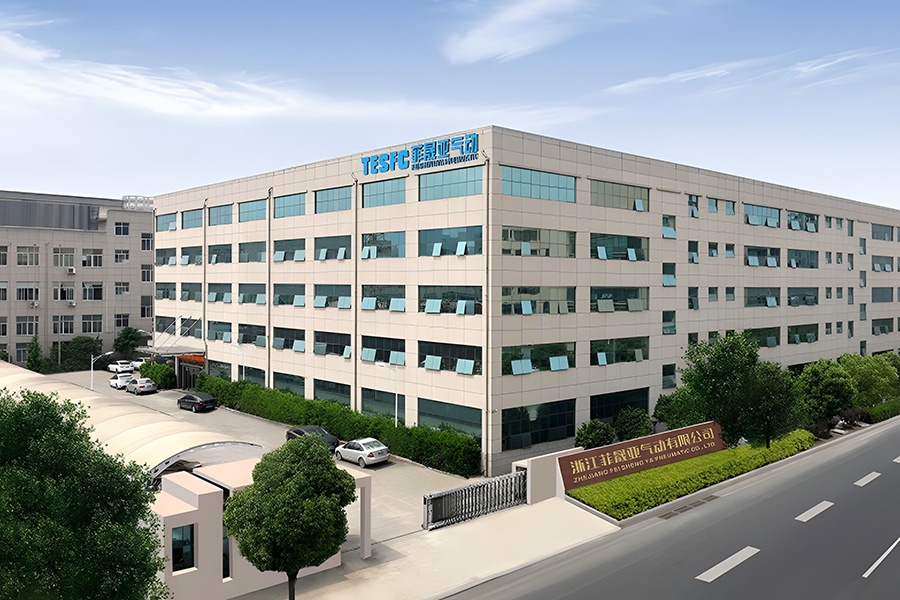
Zhejiang Feishengya Pneumatic Components Co., Ltd.
Zhejiang Feishengya Pneumatic Components Co., Ltd. is a pneumatic component enterprise that integrates scientific R&D, production and processing, operation and sales, technical services, import and export trade, and personnel training. It specializes in the production, processing, and sales of pneumatic components such as cylinders, solenoid valves, and Pneumatic Cylinder/Air Cylinder.
The company has always adhered to serving society with practical quality, high-quality service, comprehensive technology, and reasonable prices, and is committed to striving to create a "Chinese famous brand".
Our company has nearly a hundred advanced processing pieces of equipment. There are currently 120 employees, including over 20 professional and technical personnel, with an annual production capacity of 500,000 pieces (sets) of various components. We have advanced production processes, complete testing methods and equipment, and a high-quality workforce. We organize production and sales with a practical and innovative concept, and have passed ISO9001 international quality management system certification. We use CAD, SOLIDWORKS, and ERP for engineering design and enterprise management. Continuously increasing product development efforts and investment, continuously upgrading and improving equipment and products to meet customer needs with higher cost-effectiveness, and providing high-performance products and convenient and fast services to new and old users anytime, anywhere.
Air Cylinder Manufacturer & Supplier - Feishengya Pneumatic adheres to the principles of "strict production, scientific management, continuous improvement, and stable quality with a rigorous and down-to-earth work style, a pioneering spirit of self-improvement, an honest and down-to-earth management style, and first-class production technology. Relying on the increasingly mature market system and flexible industry mechanisms, we adhere to the development path of technology oriented, outward oriented, and comprehensive, and provide more and better quality services for various industries.
All employees of Zhejiang Feishengya Pneumatic Components Co., Ltd. sincerely welcome friends from all industries to visit, exchange ideas and cooperate with us.
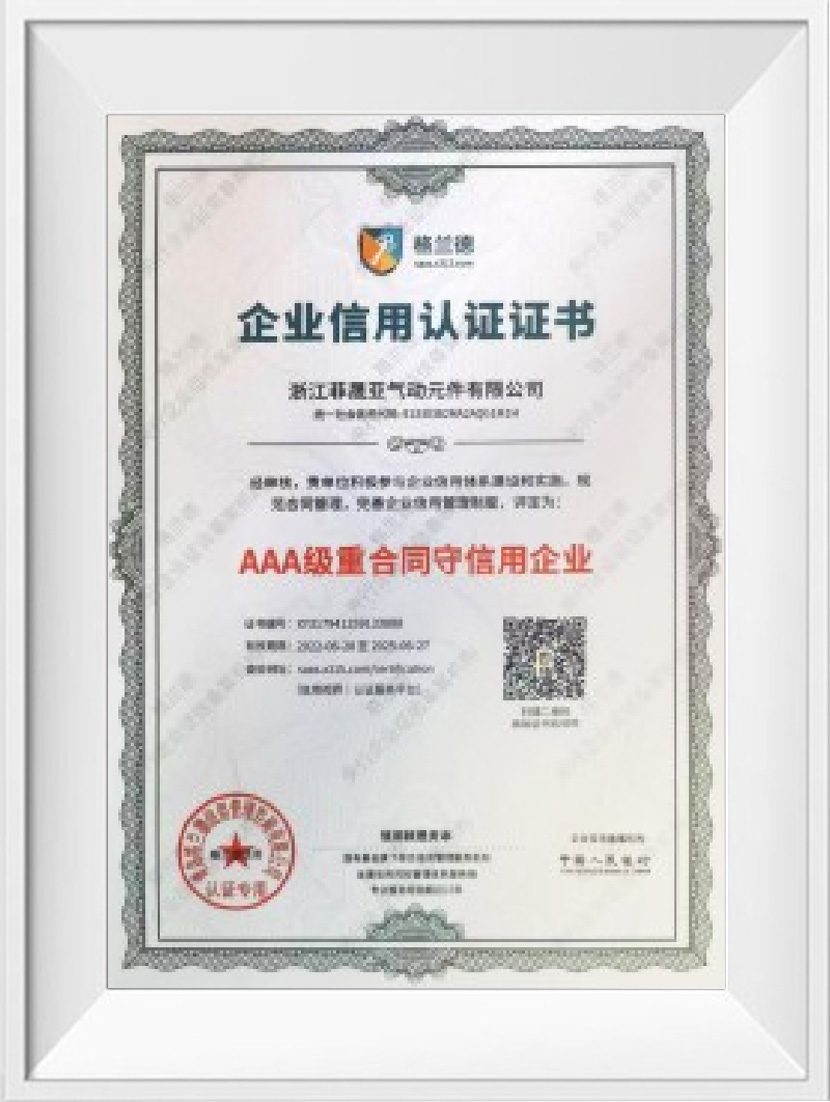
Certificate
Certificate-cs
Certificate-cs
Certificate-cs
Our LATEST NEWS
An air cylinder — sometimes referred to as a pneumatic cylinder — is a pneumatic actuator that takes compressed air energy and turns it into controlled linear or rotary mechanical motion. It ranks among the most heavily used components in industrial automation, largely thanks to its fast response, straightforward structure, stable output, and how easily it integrates with valves, fittings, sensors, and control systems.
Within automated equipment, air cylinders regularly handle pushing, pulling, lifting, pressing, clamping, ejecting, positioning, and transferring workpieces. For machine designers and engineering teams working through these projects, getting the cylinder type, bore size, stroke, mounting method, and sealing structure right from the start makes all the difference in achieving motion that's both reliable and built to last.
An air cylinder works as a compressed-air-driven mechanical actuator. As pressurized air enters the cylinder chamber, it drives the piston and piston rod along a straight path — that straight-line motion becomes the mechanical work carried out inside a machine or production system.
Structurally speaking, an air cylinder brings together a cylinder barrel, piston, piston rod, seals, end covers, and air ports. Its design determines whether it moves in just one direction or operates both ways.
At the core, what an air cylinder delivers boils down to:
"Air cylinder" and "pneumatic cylinder" get used almost interchangeably in everyday conversation, and that's fair enough — both describe actuators converting compressed air into motion. Within industrial automation contexts, "pneumatic cylinder" leans more technical, whereas "air cylinder" pops up more frequently in product listings and equipment descriptions.
Air cylinders act as the piece of a pneumatic system that actually produces motion. Compressors build up air pressure, and valves steer that airflow where it needs to go, but converting all that stored energy into real mechanical movement falls to the cylinder itself.
A working pneumatic circuit typically brings these parts together:
Inside this arrangement, the air cylinder takes on the task of shifting machine parts according to whatever control signal the valve sends its way.
Air cylinders get called on for jobs like:
A handful of practical reasons keep air cylinders in such heavy rotation:
Across countless industrial machines, air cylinders end up striking a practical balance between how well they perform, what they cost, and how manageable they are to maintain over time.
Machines vary widely, and so does the cylinder structure best suited for each — the right choice comes down to available space, load direction, force requirement, guiding accuracy, and the environment the equipment operates in.
Standard air cylinders see widespread use across general automation equipment, offering a broad selection of bore sizes, strokes, and mounting accessories to work with.
Common applications include:
Compact cylinders were built with limited installation space in mind. Their body length runs shorter than standard cylinders while still delivering meaningful output force.
They work well for:
Mini cylinders bring a small, lightweight footprint to situations demanding compact size paired with quick response.
Typical uses include:
Guided cylinders build in guide rods or linear guide structures specifically to resist side load and sharpen motion accuracy.
These get put to work in:
Rodless cylinders handle long-stroke linear movement without any external piston rod extending out from the cylinder body.
Common applications include:
Rotary cylinders take compressed air and turn it into limited-angle rotary motion — the go-to choice whenever turning, indexing, flipping, or swinging movement is needed.
Typical applications include:
Stainless steel cylinders fit environments that call for stronger corrosion resistance — food-related machinery, humid conditions, and settings with chemical exposure all fall into this category.
Air cylinders find their way into an impressively wide range of industrial sectors simply because they deliver clean, fast, and dependable performance for motion that repeats over and over again.
Packaging systems lean heavily on air cylinders for tasks like:
On packaging lines running continuous movement, fast response and repeatable accuracy matter more than almost anything else.
Automation machines rely on air cylinders to handle:
These often work alongside solenoid valves, sensors, and PLC control systems as part of a larger setup.
Automotive equipment puts air cylinders to work in areas such as:
Here, durability and steady force output become non-negotiable requirements.
Compact and mini cylinders show up frequently across electronics manufacturing for:
Low friction, a compact footprint, and repeatable movement top the list of what matters most here.
Food and beverage machinery finds practical use for air cylinders in:
Material choice and air cleanliness deserve extra thought in these settings.
Air cylinders help manage movement across:
Steady speed control and smooth operation both feed directly into better process consistency.
Air cylinders also show up in:
Getting installation right shapes cylinder performance, controls leakage, and stretches out service life more than most people realize.
Before diving into installation, it's worth double-checking:
Misalignment ranks among the most frequent reasons cylinders fail. The piston rod needs to travel in exactly the same direction the load moves.
Steer clear of:
When side force can't be avoided, a guided cylinder or an external linear guide makes a real difference.
Air cylinders can be set up with any of the following:
The mounting approach chosen should reflect both the motion path and the load conditions at play.
While connecting tubing and fittings, keep these points in mind:
Once everything's installed, ease into operation at low speed and dial the flow control valves up gradually. Jumping straight to high-speed operation risks impact, vibration, or outright mechanical damage.
On cylinders with adjustable cushioning, fine-tune both stroke ends. Well-set cushioning cuts down on impact noise and adds meaningfully to component lifespan.
Keeping up with maintenance on a consistent basis helps movement stay smooth and keeps machines from grinding to an unplanned halt.
The quality of the air running through a system has a big impact on how long a cylinder holds up. Moisture, dust, and oil buildup wear down seals and push friction levels higher than they should be.
A few habits worth building in:
Any leak chips away at force output and pushes air consumption higher than it needs to be.
Spots worth checking for leaks:
Leak detection fluid or a pressure drop test can flag smaller leaks that might otherwise go unnoticed.
The rod itself needs to stay clean and scratch-free. Dust, metal shavings, and adhesive residue all have the potential to wear away at the rod seal.
A handful of tips that help:
Ongoing cycling naturally works mounting bolts loose over time. Making it a habit to check brackets, clevis pins, and rod-end joints helps catch vibration problems and misalignment before they escalate.
Movement that looks or feels off is often an early warning sign of something bigger brewing.
Things worth keeping an eye on:
Spotting these signs early usually saves a system from far more serious mechanical damage later on.
Air cylinder problems usually come from air supply issues, sealing wear, incorrect selection, poor installation, or mechanical overload.
| Fault | Possible Cause | Recommended Solution |
|---|---|---|
| Cylinder does not move | No air supply, valve failure, blocked tube, excessive load | Check air pressure, inspect valve, clear air path, reduce load |
| Cylinder moves slowly | Low pressure, undersized tube, restricted fitting, blocked silencer | Increase stable pressure, check tube size, replace restricted parts |
| Insufficient output force | Bore size too small, air leakage, pressure drop, worn piston seal | Recalculate force, inspect seals, check circuit leakage |
| Jerky movement | Moisture in air, poor lubrication condition, side load, damaged seal | Improve air treatment, correct alignment, inspect seals |
| Air leakage at rod seal | Rod scratch, seal wear, dust contamination | Clean rod, replace seal, improve protection |
| Strong impact at stroke end | Speed too high, cushioning not adjusted, load too heavy | Adjust flow control, tune cushioning, review load condition |
| Piston rod bends | Side load, incorrect mounting, external impact | Improve alignment, use guide mechanism, replace damaged rod |
| Sensor signal unstable | Wrong sensor position, weak magnetic ring, wiring issue | Adjust sensor position, check wiring, verify cylinder specification |
| Cylinder returns weakly | Spring fatigue in single-acting type, leakage, low pressure | Replace spring or cylinder, check leakage, stabilize pressure |
| Noise during exhaust | No silencer, excessive flow, high-speed impact | Install silencer, adjust flow, reduce impact speed |
A reliable troubleshooting process starts with air pressure and valve function, then checks tubing, fittings, cylinder seals, mounting alignment, and mechanical load.
Getting selection right from the start goes a long way toward better machine performance, lighter maintenance loads, and longer component life overall.
Bore size is what sets the output force. Calculating the required force means factoring in load weight, friction, direction of motion, and a reasonable safety margin.
For vertical lifting applications, a few extra points deserve attention:
Stroke length needs to line up with the actual travel distance required. Falling short on stroke means the movement simply won't complete, while going too long wastes space and can undermine stability.
Worth factoring in:
Pick the mounting style based on how the load moves:
How fast a cylinder moves comes down to:
A larger cylinder needs a valve and air circuit that can actually supply enough flow to keep pace.
Different operating environments call for different material and seal choices.
Worth considering:

Phone: +86-15957736756
E-mail: [email protected]
Add: No.7, Yongxing Second Road, Chengdong Industrial Functional Zone, Chengdong Subdistrict, Yueqing City, Zhejiang Province, P.R.China
Copyright © Zhejiang Feishengya Pneumatic Components Co., Ltd. All Rights Reserved.
 Wholesale Pneumatic Cylinder/Air Cylinder
 English
 русский
 عربى
عربى Español